%20%20--%3E%0A%3Csvg%20version%3D%221.1%22%20id%3D%22Layer_1%22%20xmlns%3D%22http%3A%2F%2Fwww.w3.org%2F2000%2Fsvg%22%20xmlns%3Axlink%3D%22http%3A%2F%2Fwww.w3.org%2F1999%2Fxlink%22%20x%3D%220px%22%20y%3D%220px%22%0A%09%20viewBox%3D%220%200%20684.6%2068.1%22%20style%3D%22enable-background%3Anew%200%200%20684.6%2068.1%3B%22%20xml%3Aspace%3D%22preserve%22%3E%0A%3Cg%3E%0A%09%3Cpath%20d%3D%22M444.1%2C29.3h-17.4v14.5h17.4V29.3z%20M36.4%2C68.1l29.3-50.8V0H50.4L32.9%2C36.8L15.5%2C0H0v68.1h16.7V45.8l12.4%2C22.3H36.4z%0A%09%09%20M49.1%2C68.1h16.6V23.4L49.1%2C52.1V68.1z%20M76.6%2C68.1h45V53.8H93.3V41.6h21V27.1h-21V14.8h28.3V0.1h-45V68.1z%20M175.6%2C68.1h17.3v-68%0A%09%09h-16.5v40.3L150%2C0.1h-17.6v68h16.7V27.7L175.6%2C68.1z%20M235.8%2C14.8h15.4V0.1h-47.4v14.7H219v53.2h16.8V14.8z%20M290.3%2C45.9h-17.1%0A%09%09l7.5-15.6h2L290.3%2C45.9z%20M298.7%2C68.1h18l-32.2-68h-5.7l-32%2C68h18l3.3-7.1h27.1L298.7%2C68.1z%20M325.2%2C68.1h46.2V53.8h-29.6V0.1h-16.7%0A%09%09V68.1z%20M423.7%2C14.8h27.2V0.1H407v68h16.7V14.8z%20M462%2C68.1h46.2V53.8h-29.6V0.1H462V68.1z%20M564.8%2C34.1c0%2C10.7-7.2%2C19.2-18.5%2C19.2%0A%09%09c-11.4%2C0-18.5-8.5-18.5-19.2s7.1-19.2%2C18.5-19.2C557.6%2C14.9%2C564.8%2C23.4%2C564.8%2C34.1%20M580.6%2C34.1c0-19-14.2-34-34.3-34%0A%09%09c-20.2%2C0-34.3%2C15-34.3%2C34c0%2C19%2C14.1%2C34%2C34.3%2C34C566.4%2C68.1%2C580.6%2C53.1%2C580.6%2C34.1%20M604.8%2C20.5c0-4.1%2C3.3-6.2%2C6.7-6.2%0A%09%09c4.4%2C0%2C6.6%2C3%2C6.6%2C6.6h14.7C631.8%2C9.1%2C625.1%2C0.1%2C611%2C0.1c-12%2C0-21.7%2C9.3-21.7%2C20.6c0%2C10.9%2C5.9%2C15.9%2C16.7%2C19.8%0A%09%09c5.2%2C1.8%2C11.5%2C3.2%2C11.5%2C8c0%2C3.3-2.4%2C5.5-6.4%2C5.5c-3.6%2C0-6.6-3-6.6-6.7h-15.2c0%2C11.5%2C7.9%2C20.8%2C21.8%2C20.8c12%2C0%2C21.6-9.3%2C21.6-20.6%0A%09%09c0-10-5.3-16.4-16.7-19.8C610.6%2C26.1%2C604.8%2C25.3%2C604.8%2C20.5%20M670%2C20.9h14.7C683.8%2C9.1%2C677.1%2C0.1%2C663%2C0.1c-12%2C0-21.7%2C9.3-21.7%2C20.6%0A%09%09c0%2C10.9%2C5.9%2C15.9%2C16.7%2C19.8c5.2%2C1.8%2C11.5%2C3.2%2C11.5%2C8c0%2C3.3-2.4%2C5.5-6.4%2C5.5c-3.6%2C0-6.6-3-6.6-6.7h-15.2c0%2C11.5%2C7.9%2C20.8%2C21.8%2C20.8%0A%09%09c12%2C0%2C21.6-9.3%2C21.6-20.6c0-10-5.3-16.4-16.7-19.8c-5.4-1.6-11.3-2.4-11.3-7.2c0-4.1%2C3.3-6.2%2C6.7-6.2C667.7%2C14.4%2C670%2C17.3%2C670%2C20.9%0A%09%09%22%2F%3E%0A%3C%2Fg%3E%0A%3C%2Fsvg%3E%0A)

Mountaineering can be a dangerous—and sometimes even deadly—endeavor, but that hasn’t stopped people from climbing what can feel like every peak on the planet. But there are actually a few mountains that are tantalizingly off-limits—some of which have never been climbed, and some of which were once climbable but are now legally out of bounds. Here are five such peaks that are near impossible to climb.
Gangkhar Puensum // Bhutan
Standing at an impressive 24,836 feet, Gangkhar Puensum is the world’s highest unclimbed peak. Being the first person to summit a mountain is the dream of many a mountain climber, but ascending Gangkhar Puensum will probably remain a dream because it’s actually illegal to set foot on its snowy slopes.
In 1994, the Bhutanese government banned the climbing of mountains over 6,000 meters (roughly 19,800 feet). The ban was implemented out of respect for Bhutanese spiritual beliefs; gods are thought to call the mountains home, so these high peaks are considered sacred. Four years later, in 1998, a Japanese team made an attempt to climb Gangkhar Puensum from the Tibetan side, but the permit was withdrawn before they set foot on the mountain because of objections from the Bhutanese government. To this day, no one has ever stood on the mountain’s summit.
Groom Range // Nevada

There are hundreds of climbable mountain ranges and canyons in Nevada, but there’s one place that’s off-limits: Groom Range. Comprised of six peaks—the tallest being Bald Mountain at 9,340 feet—Groom Range overlooks an area that has been very important to the U.S. government since 1955: the Nevada Test and Training Range. As well as being used for the testing of experimental weapons (which in the past included nuclear bombs), this site is also home to the mysterious Area 51.
Although the existence of Area 51 wasn’t confirmed until 2013, people have long known that it’s a site for secret government projects—some of which are thought to involve extraterrestrial life. But anyone wanting to sneak a peek into Area 51 by climbing Groom Range better think again, because the area is heavily guarded.
The closest mountain you can climb to get a look at Area 51 is Tikaboo Peak—but you’ll need binoculars to even catch a glimpse of anything, because it’s approximately 26 miles away from the mysterious military site.
Shiprock // New Mexico

The ragged ridges of Shiprock—a monolith that dramatically rises 1,583 feet into the air—once made it a huge draw for rock climbers seeking a challenge. But the scenic volcanic plug is also deeply entwined with the legends of the Navajo Nation (the mountain is called Tsé Bitʼaʼí in Navajo, which translates to “rock with wings”) and climbing it is regarded as culturally disrespectful. When an accident in 1970 left three climbers severely injured, it was decided to ban the climbing of not only Shiprock, but of all monoliths and spires in the Navajo Nation.
But not everyone respected the ban, and in the early 1970s a man died while illegally climbing the monolith. “Death in these sacred areas can ‘contaminate’ the space in the Navajo worldview,” explains Navajo climber Len Necefer. Illegal climbs continued to be such a problem that a press release was issued by the Navajo Nation Parks and Recreation Department in 2006 to reiterate the importance of the ban: “Even more serious than the possible physical harm illegal climbs could pose is the religious damage done to the Navajo people by these non-Navajo visitors.”
Puig Major // Mallorca

The highest mountain on the Spanish island of Mallorca is Puig Major, but for decades, hikers haven’t been allowed to climb to the top of the scenic viewpoint. In 1957, the U.S. Air Force turned the peak into a military base, with a golden-domed radar station positioned at the very highest point, 4,741 feet above sea level. The U.S. military left the base in 1993, but the Spanish army took over and the summit remained off limits to hikers. However, there was once a one way to legally reach the top: participate in the Kill the Hill bike race. In 2024 and 2025, a few hundred cyclists were allowed to race to the very top of the peak. Sadly, the 2026 event has been canceled and its future is uncertain, meaning that Puig Major’s summit is once again entirely out of bounds.
Uluru // Australia

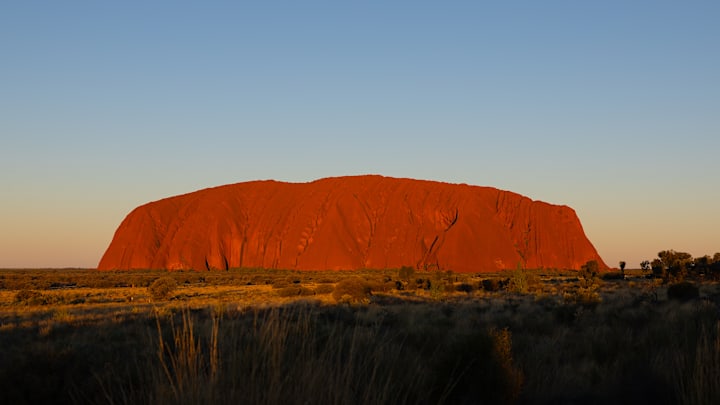
Standing in the middle of the Australian Outback is Uluru (once called Ayers Rock)—an impressive sandstone monolith that stretches 1,142 feet into the air. Uluru has long been a sacred mountain to the Aboriginal Aṉangu peoples, but in the 1930s, the Australian National Travel Association started to promote climbing the vibrant red rock to attract tourists. The marketing plan worked and soon flocks of people were descending on Uluru and scaling its steep walls without regard for its spiritual significance.
In addition to being disrespectful of Aṉangu culture, the high volume of visitors caused damage to Uluru. The path up the monolith started eroding and trash and human waste was left at the top. The climb also isn’t particularly easy; there have been 37 recorded deaths over the years, plus many more people who were rescued after becoming stranded.
Aṉangu people put signs up to dissuade tourists from climbing the mountain and slowly but surely the number of climbers started decreasing. In 1990, around 70% of visitors attempted the climb; by 2010, that number had dropped to 30%. But it wasn’t until 2019 that the route was officially closed and all of the guide chains were removed.