%20%20--%3E%0A%3Csvg%20version%3D%221.1%22%20id%3D%22Layer_1%22%20xmlns%3D%22http%3A%2F%2Fwww.w3.org%2F2000%2Fsvg%22%20xmlns%3Axlink%3D%22http%3A%2F%2Fwww.w3.org%2F1999%2Fxlink%22%20x%3D%220px%22%20y%3D%220px%22%0A%09%20viewBox%3D%220%200%20684.6%2068.1%22%20style%3D%22enable-background%3Anew%200%200%20684.6%2068.1%3B%22%20xml%3Aspace%3D%22preserve%22%3E%0A%3Cg%3E%0A%09%3Cpath%20d%3D%22M444.1%2C29.3h-17.4v14.5h17.4V29.3z%20M36.4%2C68.1l29.3-50.8V0H50.4L32.9%2C36.8L15.5%2C0H0v68.1h16.7V45.8l12.4%2C22.3H36.4z%0A%09%09%20M49.1%2C68.1h16.6V23.4L49.1%2C52.1V68.1z%20M76.6%2C68.1h45V53.8H93.3V41.6h21V27.1h-21V14.8h28.3V0.1h-45V68.1z%20M175.6%2C68.1h17.3v-68%0A%09%09h-16.5v40.3L150%2C0.1h-17.6v68h16.7V27.7L175.6%2C68.1z%20M235.8%2C14.8h15.4V0.1h-47.4v14.7H219v53.2h16.8V14.8z%20M290.3%2C45.9h-17.1%0A%09%09l7.5-15.6h2L290.3%2C45.9z%20M298.7%2C68.1h18l-32.2-68h-5.7l-32%2C68h18l3.3-7.1h27.1L298.7%2C68.1z%20M325.2%2C68.1h46.2V53.8h-29.6V0.1h-16.7%0A%09%09V68.1z%20M423.7%2C14.8h27.2V0.1H407v68h16.7V14.8z%20M462%2C68.1h46.2V53.8h-29.6V0.1H462V68.1z%20M564.8%2C34.1c0%2C10.7-7.2%2C19.2-18.5%2C19.2%0A%09%09c-11.4%2C0-18.5-8.5-18.5-19.2s7.1-19.2%2C18.5-19.2C557.6%2C14.9%2C564.8%2C23.4%2C564.8%2C34.1%20M580.6%2C34.1c0-19-14.2-34-34.3-34%0A%09%09c-20.2%2C0-34.3%2C15-34.3%2C34c0%2C19%2C14.1%2C34%2C34.3%2C34C566.4%2C68.1%2C580.6%2C53.1%2C580.6%2C34.1%20M604.8%2C20.5c0-4.1%2C3.3-6.2%2C6.7-6.2%0A%09%09c4.4%2C0%2C6.6%2C3%2C6.6%2C6.6h14.7C631.8%2C9.1%2C625.1%2C0.1%2C611%2C0.1c-12%2C0-21.7%2C9.3-21.7%2C20.6c0%2C10.9%2C5.9%2C15.9%2C16.7%2C19.8%0A%09%09c5.2%2C1.8%2C11.5%2C3.2%2C11.5%2C8c0%2C3.3-2.4%2C5.5-6.4%2C5.5c-3.6%2C0-6.6-3-6.6-6.7h-15.2c0%2C11.5%2C7.9%2C20.8%2C21.8%2C20.8c12%2C0%2C21.6-9.3%2C21.6-20.6%0A%09%09c0-10-5.3-16.4-16.7-19.8C610.6%2C26.1%2C604.8%2C25.3%2C604.8%2C20.5%20M670%2C20.9h14.7C683.8%2C9.1%2C677.1%2C0.1%2C663%2C0.1c-12%2C0-21.7%2C9.3-21.7%2C20.6%0A%09%09c0%2C10.9%2C5.9%2C15.9%2C16.7%2C19.8c5.2%2C1.8%2C11.5%2C3.2%2C11.5%2C8c0%2C3.3-2.4%2C5.5-6.4%2C5.5c-3.6%2C0-6.6-3-6.6-6.7h-15.2c0%2C11.5%2C7.9%2C20.8%2C21.8%2C20.8%0A%09%09c12%2C0%2C21.6-9.3%2C21.6-20.6c0-10-5.3-16.4-16.7-19.8c-5.4-1.6-11.3-2.4-11.3-7.2c0-4.1%2C3.3-6.2%2C6.7-6.2C667.7%2C14.4%2C670%2C17.3%2C670%2C20.9%0A%09%09%22%2F%3E%0A%3C%2Fg%3E%0A%3C%2Fsvg%3E%0A)

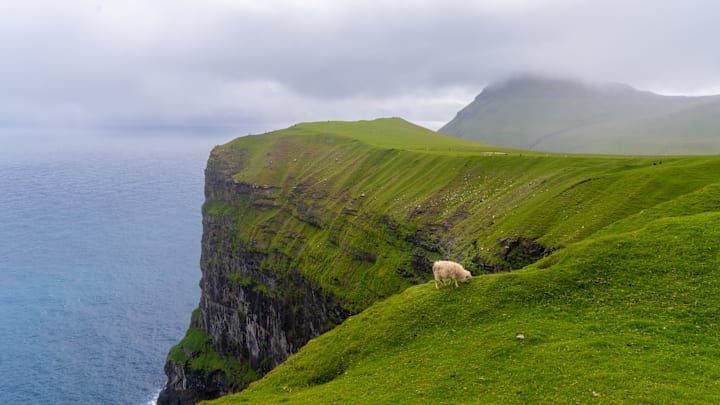
Forget sunny skies—fog is finally having its moment in travel. Pinterest’s “Mystic Outlands” trend for 2026 highlights a growing fascination with moody, atmospheric destinations that feel pulled from another world—think the dramatic moors of Wuthering Heights or the dense forests of Twilight. Low-hanging clouds and raindrops glistening on grasslands set the tone in the “Mystic Outlands,” where craggy cliffs, deep blue seas, and ancient ruins only add to the intrigue. From mist-laced woodlands to fog-drenched coastlines, these places have long lived in film and literature—but now travelers are seeking them out in real life.
“Distant ruins swallowed by mist, naturally occurring spirals, and moody, enchanting forests” point to the mystical Scottish Highlands, but the otherworldly destinations that define the trend aren’t limited to the U.K. Across the globe, people of all ages are looking for landscapes where nature feels just a little unbound—whether it’s a remote island in the Atlantic or surreal natural formations on the mainland. These destinations invite you to slow down, look closer, and step into a realm that feels both grounded and entirely otherworldly.
Below are a few places that bring the “Mystic Outlands” trend to life—because sometimes the fog never clears, and that’s perfectly fine.
- Skellig Michael, Ireland
- Zhangjiajie, China
- Faroe Islands, Denmark
- Salar de Uyuni, Bolivia
- Hoh Rainforest, Washington
Skellig Michael, Ireland

Off the coast of County Kerry, Skellig Michael rises from the Atlantic as something between land and legend. Once home to a small group of Christian monks, its isolation meant relying on rainwater and carefully timed journeys by raft to reach shore.
Reaching the monastery, often shrouded in fog, isn’t easy. Occupied from the 6th to the 12th century and designated a UNESCO World Heritage Site in 1996, it sits high above the sea, accessible only by more than 600 stone steps that wind up the grassy, jagged cliffside—steep, narrow, and often slippery, making the climb as memorable as the destination itself.
In summer, the island comes alive with nesting puffins, adding a surprising burst of color to the rugged landscape. Its remote, otherworldly setting has also made it a cinematic favorite, most famously serving as a backdrop in the Star Wars sequel trilogy—proof that Skellig Michael still feels just as mysterious today as it did centuries ago.
Zhangjiajie, China

Rising from the forests of Hunan Province, Zhangjiajie National Forest Park is a landscape that seems almost sculpted from imagination. Towering sandstone pillars pierce through mist and low-hanging clouds, their sheer cliffs softened by greenery and drifting fog. Though Avatar helped put the park on the map, drawing inspiration from its dramatic formations, the landscape itself has long evoked an otherworldly atmosphere, inviting travelers into a mystical mindset years before the film’s release.
Suspended walkways and winding trails reveal sudden drop-offs and sweeping views, where the scale of the terrain can feel both dizzying and dreamlike—though you can also take the world’s tallest outdoor elevator to explore the park from above. It’s a place where nature seems to defy logic, inviting you to get lost—both literally and figuratively—in its ethereal atmosphere.
Faroe Islands, Denmark

Set in the North Atlantic between Norway, Iceland, and Scotland, the Faroe Islands feel carved by wind and time. Steep cliffs rise from dark waters, rolling into mist-covered valleys where grass-roofed homes blend seamlessly into the landscape. The weather here is ever-present: shifting clouds, sudden fog, and bursts of light that transform the scenery by the hour.
Across the islands, narrow roads wind through dramatic terrain, where sheep outnumber people and roam freely over hills that seem untouched by modern life. It’s a place defined by its edges—where land meets sea in jagged lines, and where isolation creates a quiet, almost otherworldly rhythm that perfectly captures the spirit of the “Mystic Outlands” trend.
Salar de Uyuni, Bolivia

Stretching across southwestern Bolivia, Salar de Uyuni is the largest salt flat in the world: a vast, seemingly endless expanse that blurs the line between earth and sky. After rainfall, a thin layer of water transforms the surface into a mirror, reflecting the clouds above and creating the illusion of walking through the heavens.
At night, the effect becomes even more surreal, with stargazing providing views of the Milky Way and planets stretched across the reflective expanse. In the dry season, geometric patterns of cracked salt extend for miles, revealing a stark, almost lunar landscape formed from the remains of prehistoric lakes. Remote and surreal, it’s a place where perspective dissolves, horizons disappear, and mystique prevails.
Hoh Rainforest, Washington

Twilight fans, this one’s for you. Long before the “Mystic Outlands” had a name, Washington was already home to mist-laden, otherworldly landscapes—from the fictional forests of Forks in the Twilight saga to the Hoh Rainforest, one of the most iconic temperate rainforests in the country.
Receiving abundant rainfall each year, the forest thrives with moss-draped Sitka spruce and Western hemlock, while trails like the Hall of Mosses wind through a landscape that feels almost unreal. Blanketed in greenery and a near-constant layer of mist, the Hoh unfolds in a dreamlike stillness—though its abundant wildlife hints at a more active world beneath the surface—where towering evergreens and soft forest floors create a deeply immersive escape in the Pacific Northwest.