%20%20--%3E%0A%3Csvg%20version%3D%221.1%22%20id%3D%22Layer_1%22%20xmlns%3D%22http%3A%2F%2Fwww.w3.org%2F2000%2Fsvg%22%20xmlns%3Axlink%3D%22http%3A%2F%2Fwww.w3.org%2F1999%2Fxlink%22%20x%3D%220px%22%20y%3D%220px%22%0A%09%20viewBox%3D%220%200%20684.6%2068.1%22%20style%3D%22enable-background%3Anew%200%200%20684.6%2068.1%3B%22%20xml%3Aspace%3D%22preserve%22%3E%0A%3Cg%3E%0A%09%3Cpath%20d%3D%22M444.1%2C29.3h-17.4v14.5h17.4V29.3z%20M36.4%2C68.1l29.3-50.8V0H50.4L32.9%2C36.8L15.5%2C0H0v68.1h16.7V45.8l12.4%2C22.3H36.4z%0A%09%09%20M49.1%2C68.1h16.6V23.4L49.1%2C52.1V68.1z%20M76.6%2C68.1h45V53.8H93.3V41.6h21V27.1h-21V14.8h28.3V0.1h-45V68.1z%20M175.6%2C68.1h17.3v-68%0A%09%09h-16.5v40.3L150%2C0.1h-17.6v68h16.7V27.7L175.6%2C68.1z%20M235.8%2C14.8h15.4V0.1h-47.4v14.7H219v53.2h16.8V14.8z%20M290.3%2C45.9h-17.1%0A%09%09l7.5-15.6h2L290.3%2C45.9z%20M298.7%2C68.1h18l-32.2-68h-5.7l-32%2C68h18l3.3-7.1h27.1L298.7%2C68.1z%20M325.2%2C68.1h46.2V53.8h-29.6V0.1h-16.7%0A%09%09V68.1z%20M423.7%2C14.8h27.2V0.1H407v68h16.7V14.8z%20M462%2C68.1h46.2V53.8h-29.6V0.1H462V68.1z%20M564.8%2C34.1c0%2C10.7-7.2%2C19.2-18.5%2C19.2%0A%09%09c-11.4%2C0-18.5-8.5-18.5-19.2s7.1-19.2%2C18.5-19.2C557.6%2C14.9%2C564.8%2C23.4%2C564.8%2C34.1%20M580.6%2C34.1c0-19-14.2-34-34.3-34%0A%09%09c-20.2%2C0-34.3%2C15-34.3%2C34c0%2C19%2C14.1%2C34%2C34.3%2C34C566.4%2C68.1%2C580.6%2C53.1%2C580.6%2C34.1%20M604.8%2C20.5c0-4.1%2C3.3-6.2%2C6.7-6.2%0A%09%09c4.4%2C0%2C6.6%2C3%2C6.6%2C6.6h14.7C631.8%2C9.1%2C625.1%2C0.1%2C611%2C0.1c-12%2C0-21.7%2C9.3-21.7%2C20.6c0%2C10.9%2C5.9%2C15.9%2C16.7%2C19.8%0A%09%09c5.2%2C1.8%2C11.5%2C3.2%2C11.5%2C8c0%2C3.3-2.4%2C5.5-6.4%2C5.5c-3.6%2C0-6.6-3-6.6-6.7h-15.2c0%2C11.5%2C7.9%2C20.8%2C21.8%2C20.8c12%2C0%2C21.6-9.3%2C21.6-20.6%0A%09%09c0-10-5.3-16.4-16.7-19.8C610.6%2C26.1%2C604.8%2C25.3%2C604.8%2C20.5%20M670%2C20.9h14.7C683.8%2C9.1%2C677.1%2C0.1%2C663%2C0.1c-12%2C0-21.7%2C9.3-21.7%2C20.6%0A%09%09c0%2C10.9%2C5.9%2C15.9%2C16.7%2C19.8c5.2%2C1.8%2C11.5%2C3.2%2C11.5%2C8c0%2C3.3-2.4%2C5.5-6.4%2C5.5c-3.6%2C0-6.6-3-6.6-6.7h-15.2c0%2C11.5%2C7.9%2C20.8%2C21.8%2C20.8%0A%09%09c12%2C0%2C21.6-9.3%2C21.6-20.6c0-10-5.3-16.4-16.7-19.8c-5.4-1.6-11.3-2.4-11.3-7.2c0-4.1%2C3.3-6.2%2C6.7-6.2C667.7%2C14.4%2C670%2C17.3%2C670%2C20.9%0A%09%09%22%2F%3E%0A%3C%2Fg%3E%0A%3C%2Fsvg%3E%0A)

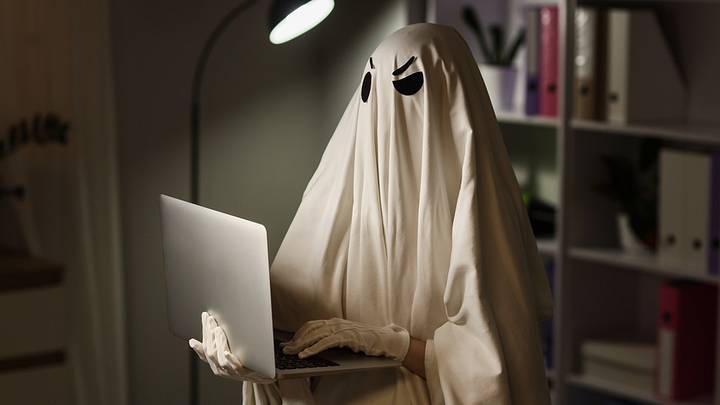
It’s Halloween month, which means that all manner of spooky creatures are about to be haunting the streets—at least thanks to masks and costumes, depending on what you believe. It’s also a great time to brush up on your understanding of the difference between a ghost and a ghoul.
Whether you’re a bona fide ghost hunter or simply looking for a little costume inspiration, here’s what you need to know: In short, a ghost is the spirit of a dead person, typically said to be able to return to the world of the living in some form…whereas a ghoul is an evil demon that eats human flesh.
The many words for ghost

Belief in ghosts is ancient, and many cultures have funerary rituals designed to prevent ghosts from haunting the living. Ghosts are frequently depicted as ethereal, wispy beings that float and drift around, though they also are often said to take the appearance of living humans.
The word ghost comes from the Old English term gast, which is defined as “soul, spirit, life.” There are many different words that describe different categories of ghosts, including spirit, a term that often specifically refers to a ghost or being that haunts a particular place. Wraiths, meanwhile, are ghosts whose appearances are said to signify that death is coming—and soon.
Specters are visible spirits, and this word often refers to especially terrifying ghosts. Revenants are defined as beings that return either after death or long periods of absence. Poltergeists are generally said to be ghosts that declare their presence by making noises and wreaking havoc, often inside houses. Other synonyms for ghost include phantom and shade.
Ghouls, defined

Ghouls are very, very different from ghosts. Whereas ghosts are not necessarily evil or dangerous (though they can be), ghouls very much are. These creatures come from Arabic folklore, where they are traditionally said to be demonic entities that eat human flesh.
The word ghoul originates from the Arabic term ghūl, which refers to the horrifying aforementioned demon. That word in turn comes from ġāla, which means “to seize.” (What is being seized here, of course, is human flesh—typically that of dead bodies and children.)
In Arabic folklore, these creatures are said to haunt cemeteries, deserts, and abandoned places. They belong to an evil class of jinn, or spirits, and are said to be the children of Iblīs, Islam’s version of Satan. They are also often described as female in the old stories and are typically identifiable by one specific, bone-chilling sign: donkey’s hooves.
Sometimes, in these stories, the ghouls take on the form of strangers or distant relatives and attempt to lure characters to their homes. Female characters can often see through the ghoul’s disguises, and the men survive if they listen to the women.
Ghouls entered the Western imagination largely through depictions in translations of The Thousand and One Nights and in Western Gothic fiction. In the Western imagination, ghouls are often defined in specific ways; Edgar Allan Poe described them as “neither man nor woman…neither brute nor human.”
In modern times, the distinction between ghouls and ghosts has blurred a bit, and sometimes these words are used interchangeably. But most likely, now you know which to pick if you’re ever asked whether you’d rather spend a night alone in an abandoned mansion with a ghost or a ghoul.