%20%20--%3E%0A%3Csvg%20version%3D%221.1%22%20id%3D%22Layer_1%22%20xmlns%3D%22http%3A%2F%2Fwww.w3.org%2F2000%2Fsvg%22%20xmlns%3Axlink%3D%22http%3A%2F%2Fwww.w3.org%2F1999%2Fxlink%22%20x%3D%220px%22%20y%3D%220px%22%0A%09%20viewBox%3D%220%200%20684.6%2068.1%22%20style%3D%22enable-background%3Anew%200%200%20684.6%2068.1%3B%22%20xml%3Aspace%3D%22preserve%22%3E%0A%3Cg%3E%0A%09%3Cpath%20d%3D%22M444.1%2C29.3h-17.4v14.5h17.4V29.3z%20M36.4%2C68.1l29.3-50.8V0H50.4L32.9%2C36.8L15.5%2C0H0v68.1h16.7V45.8l12.4%2C22.3H36.4z%0A%09%09%20M49.1%2C68.1h16.6V23.4L49.1%2C52.1V68.1z%20M76.6%2C68.1h45V53.8H93.3V41.6h21V27.1h-21V14.8h28.3V0.1h-45V68.1z%20M175.6%2C68.1h17.3v-68%0A%09%09h-16.5v40.3L150%2C0.1h-17.6v68h16.7V27.7L175.6%2C68.1z%20M235.8%2C14.8h15.4V0.1h-47.4v14.7H219v53.2h16.8V14.8z%20M290.3%2C45.9h-17.1%0A%09%09l7.5-15.6h2L290.3%2C45.9z%20M298.7%2C68.1h18l-32.2-68h-5.7l-32%2C68h18l3.3-7.1h27.1L298.7%2C68.1z%20M325.2%2C68.1h46.2V53.8h-29.6V0.1h-16.7%0A%09%09V68.1z%20M423.7%2C14.8h27.2V0.1H407v68h16.7V14.8z%20M462%2C68.1h46.2V53.8h-29.6V0.1H462V68.1z%20M564.8%2C34.1c0%2C10.7-7.2%2C19.2-18.5%2C19.2%0A%09%09c-11.4%2C0-18.5-8.5-18.5-19.2s7.1-19.2%2C18.5-19.2C557.6%2C14.9%2C564.8%2C23.4%2C564.8%2C34.1%20M580.6%2C34.1c0-19-14.2-34-34.3-34%0A%09%09c-20.2%2C0-34.3%2C15-34.3%2C34c0%2C19%2C14.1%2C34%2C34.3%2C34C566.4%2C68.1%2C580.6%2C53.1%2C580.6%2C34.1%20M604.8%2C20.5c0-4.1%2C3.3-6.2%2C6.7-6.2%0A%09%09c4.4%2C0%2C6.6%2C3%2C6.6%2C6.6h14.7C631.8%2C9.1%2C625.1%2C0.1%2C611%2C0.1c-12%2C0-21.7%2C9.3-21.7%2C20.6c0%2C10.9%2C5.9%2C15.9%2C16.7%2C19.8%0A%09%09c5.2%2C1.8%2C11.5%2C3.2%2C11.5%2C8c0%2C3.3-2.4%2C5.5-6.4%2C5.5c-3.6%2C0-6.6-3-6.6-6.7h-15.2c0%2C11.5%2C7.9%2C20.8%2C21.8%2C20.8c12%2C0%2C21.6-9.3%2C21.6-20.6%0A%09%09c0-10-5.3-16.4-16.7-19.8C610.6%2C26.1%2C604.8%2C25.3%2C604.8%2C20.5%20M670%2C20.9h14.7C683.8%2C9.1%2C677.1%2C0.1%2C663%2C0.1c-12%2C0-21.7%2C9.3-21.7%2C20.6%0A%09%09c0%2C10.9%2C5.9%2C15.9%2C16.7%2C19.8c5.2%2C1.8%2C11.5%2C3.2%2C11.5%2C8c0%2C3.3-2.4%2C5.5-6.4%2C5.5c-3.6%2C0-6.6-3-6.6-6.7h-15.2c0%2C11.5%2C7.9%2C20.8%2C21.8%2C20.8%0A%09%09c12%2C0%2C21.6-9.3%2C21.6-20.6c0-10-5.3-16.4-16.7-19.8c-5.4-1.6-11.3-2.4-11.3-7.2c0-4.1%2C3.3-6.2%2C6.7-6.2C667.7%2C14.4%2C670%2C17.3%2C670%2C20.9%0A%09%09%22%2F%3E%0A%3C%2Fg%3E%0A%3C%2Fsvg%3E%0A)

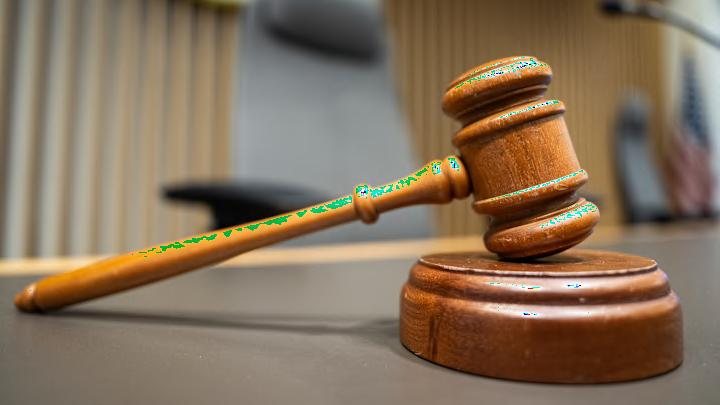
In late March 2026, a Los Angeles jury rendered a verdict finding that the social media giant Meta and the video site YouTube had harmed a user by exposing her to products that were addictive and detrimental to her well-being.
Meta was ordered to pay $4.2 million in damages, and YouTube—which is owned by Google—was told to fork over $1.8 million. Meta and Google both challenged the verdict and declared their intent to appeal.
The case marked a landmark moment in an exhaustive and coordinated effort to hold social media companies accountable that involves thousands of different lawsuits. While the decision is a significant milestone in the fight between social media organizations and the people who use their products, it is far from the first time people have taken on massive corporations—and won.
- The Case Against Big Tobacco
- The BP Deepwater Horizon Oil Spill
- Opioid Crisis Lawsuits
- The VW Emission Scandal (AKA Dieselgate)
The Case Against Big Tobacco

The aforementioned court case against Meta and Google has been widely compared to the effort to prosecute tobacco and cigarette companies that gained immense traction in the late 20th century.
The fight against tobacco companies involved decades of litigation and many different court cases and resolutions, but one particularly successful one was 1998’s Tobacco Master Settlement Agreement, in which four major tobacco companies agreed to fork over $206 billion to various states over 25 years based on the harms caused to people by smoking.
The agreement was the culmination of hundreds of other court cases and legal efforts to hold tobacco companies accountable, and it contributed significantly to a decrease in smoking in the United States. It was also the largest civil litigation settlement in the history of the nation.
The BP Deepwater Horizon Oil Spill

On April 20, 2010, an oil rig called the Deepwater Horizon exploded, killing 11 and unleashing roughly four million barrels of oil, creating the world’s largest marine oil spill. BP was soon hit with extensive litigation that lasted for years.
On April 4, 2016, a Federal District judge ordered BP to pay a $20.8 billion settlement for the damage to natural environments that had occurred due to the spill, kickstarting a 15-year restoration effort. The verdict resulted in the largest environmental damage settlement ever reached in the U.S. and marked the conclusion of numerous claims from individual states and governments.
Opioid Crisis Lawsuits

In 1996, the company Purdue Pharma released OxyContin, a drug marketed as a low-risk way to treat pain. The drug wound up being highly addictive, but the company continued to obscure the truth from doctors and patients. This helped to kick off the opioid crisis, which saw a spike in opioid prescriptions that resulted in widespread addiction and death.
Eventually, the truth was made public, and the 2020s have seen a wave of court cases against companies that helped fuel the opioid crisis. In 2022, four U.S. companies—Johnson & Johnson, AmerisourceBergen, Cardinal Health, and McKesson—agreed to pay a combined $26 billion to settle numerous lawsuits alleging their businesses contributed to the opioid crisis. Then, in 2025, all 50 states as well as the District of Columbia and U.S. territories approved a $7.4 billion settlement with Purdue Pharma over the company's improper marketing of opioids.
The VW Emission Scandal (AKA Dieselgate)

In 2015, the company Volkswagen admitted that it had not been truthful when it claimed its diesel-powered vehicles adhered to certain environmental regulations. This came after the Environmental Protection Agency (EPA) found that the cars had been equipped with engines that could change their performance when being tested, thereby altering the results of emissions examinations. A San Francisco judge approved a $14.7 billion settlement against Volkswagen, to be paid to the owners of nearly half a million of their vehicles.