%20%20--%3E%0A%3Csvg%20version%3D%221.1%22%20id%3D%22Layer_1%22%20xmlns%3D%22http%3A%2F%2Fwww.w3.org%2F2000%2Fsvg%22%20xmlns%3Axlink%3D%22http%3A%2F%2Fwww.w3.org%2F1999%2Fxlink%22%20x%3D%220px%22%20y%3D%220px%22%0A%09%20viewBox%3D%220%200%20684.6%2068.1%22%20style%3D%22enable-background%3Anew%200%200%20684.6%2068.1%3B%22%20xml%3Aspace%3D%22preserve%22%3E%0A%3Cg%3E%0A%09%3Cpath%20d%3D%22M444.1%2C29.3h-17.4v14.5h17.4V29.3z%20M36.4%2C68.1l29.3-50.8V0H50.4L32.9%2C36.8L15.5%2C0H0v68.1h16.7V45.8l12.4%2C22.3H36.4z%0A%09%09%20M49.1%2C68.1h16.6V23.4L49.1%2C52.1V68.1z%20M76.6%2C68.1h45V53.8H93.3V41.6h21V27.1h-21V14.8h28.3V0.1h-45V68.1z%20M175.6%2C68.1h17.3v-68%0A%09%09h-16.5v40.3L150%2C0.1h-17.6v68h16.7V27.7L175.6%2C68.1z%20M235.8%2C14.8h15.4V0.1h-47.4v14.7H219v53.2h16.8V14.8z%20M290.3%2C45.9h-17.1%0A%09%09l7.5-15.6h2L290.3%2C45.9z%20M298.7%2C68.1h18l-32.2-68h-5.7l-32%2C68h18l3.3-7.1h27.1L298.7%2C68.1z%20M325.2%2C68.1h46.2V53.8h-29.6V0.1h-16.7%0A%09%09V68.1z%20M423.7%2C14.8h27.2V0.1H407v68h16.7V14.8z%20M462%2C68.1h46.2V53.8h-29.6V0.1H462V68.1z%20M564.8%2C34.1c0%2C10.7-7.2%2C19.2-18.5%2C19.2%0A%09%09c-11.4%2C0-18.5-8.5-18.5-19.2s7.1-19.2%2C18.5-19.2C557.6%2C14.9%2C564.8%2C23.4%2C564.8%2C34.1%20M580.6%2C34.1c0-19-14.2-34-34.3-34%0A%09%09c-20.2%2C0-34.3%2C15-34.3%2C34c0%2C19%2C14.1%2C34%2C34.3%2C34C566.4%2C68.1%2C580.6%2C53.1%2C580.6%2C34.1%20M604.8%2C20.5c0-4.1%2C3.3-6.2%2C6.7-6.2%0A%09%09c4.4%2C0%2C6.6%2C3%2C6.6%2C6.6h14.7C631.8%2C9.1%2C625.1%2C0.1%2C611%2C0.1c-12%2C0-21.7%2C9.3-21.7%2C20.6c0%2C10.9%2C5.9%2C15.9%2C16.7%2C19.8%0A%09%09c5.2%2C1.8%2C11.5%2C3.2%2C11.5%2C8c0%2C3.3-2.4%2C5.5-6.4%2C5.5c-3.6%2C0-6.6-3-6.6-6.7h-15.2c0%2C11.5%2C7.9%2C20.8%2C21.8%2C20.8c12%2C0%2C21.6-9.3%2C21.6-20.6%0A%09%09c0-10-5.3-16.4-16.7-19.8C610.6%2C26.1%2C604.8%2C25.3%2C604.8%2C20.5%20M670%2C20.9h14.7C683.8%2C9.1%2C677.1%2C0.1%2C663%2C0.1c-12%2C0-21.7%2C9.3-21.7%2C20.6%0A%09%09c0%2C10.9%2C5.9%2C15.9%2C16.7%2C19.8c5.2%2C1.8%2C11.5%2C3.2%2C11.5%2C8c0%2C3.3-2.4%2C5.5-6.4%2C5.5c-3.6%2C0-6.6-3-6.6-6.7h-15.2c0%2C11.5%2C7.9%2C20.8%2C21.8%2C20.8%0A%09%09c12%2C0%2C21.6-9.3%2C21.6-20.6c0-10-5.3-16.4-16.7-19.8c-5.4-1.6-11.3-2.4-11.3-7.2c0-4.1%2C3.3-6.2%2C6.7-6.2C667.7%2C14.4%2C670%2C17.3%2C670%2C20.9%0A%09%09%22%2F%3E%0A%3C%2Fg%3E%0A%3C%2Fsvg%3E%0A)

Author Rick Bass claimed, “There are no new stories in nature, only new observers.” He’s not the only one to observe the repetitive nature of storytelling, which often falls back on standard plot arcs, tropes, and archetypes. However, every genre had a beginning, and romance's origins are not what you might expect.
Although there were clearly romantic plotlines in some of the oldest narratives in history, the medieval period is credited with inventing the romance genre. That is when love stories rose to prominence and developed their most enduring tropes.
The romance genre today prides itself on breaking away from sexist stereotypes, praising its female characters for having agency and not being "damsels in distress." But the modern romance movie has far more in common with the romances of the Middle Ages than most people would expect.
The Medieval Origins of Romance

For most of human history, storytelling was an oral practice, with written works having very limited uses. Writing was a largely practical endeavor, which allowed businessmen to keep track of their inventory and accounts, leaders to codify laws, and educators to communicate the most important lessons to their students. Even the written stories generally served a practical purpose: establishing an epic origin for a nation, teaching the culture's key moral values, and communicating important religious teachings and practices.
The Middle Ages saw a major change in the use of writing, as there was now a distinct aristocratic social class that was literate and had leisure time. Writers began telling stories in their own language (rather than Latin), which were predominantly intended as entertainment. These were called "romances" because they were written in a romance language.
Initially, the stories were not necessarily about love. As Oxford professor Laura Ashe explained, ancient heroes “have to die heroically, or sacrifice themselves in other ways to a heroic destiny.” Medieval heroes were allowed to live, which meant their actions needed a new goal. While some heroes strove for spiritual enlightenment or purity, the majority began to chase after love.
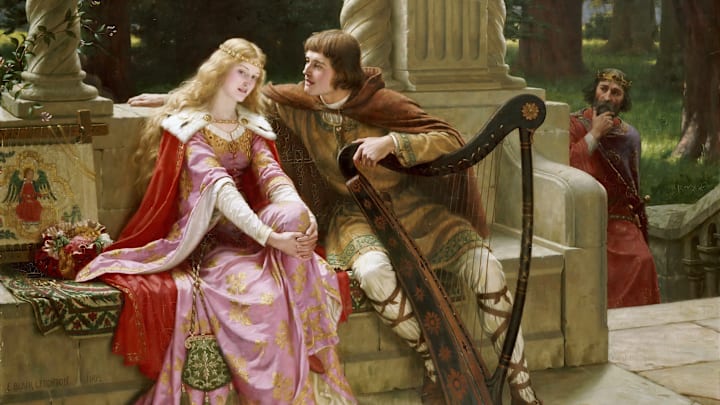
This was in part because literature had a new audience. Women like Eleanor of Aquitaine and her daughter Marie, Countess of Champagne, became key patrons for writers, who then gave women more prominent roles in response. Chivalric romance transformed noblewomen into goddesses, whom men worshipped and fought to prove themselves worthy of.

While women were still not the leading characters in most stories, they were, according to the Renaissance English History Podcast, "the gatekeepers of love." This was a powerful transformation from previous interpretations and from real life, where women were often forced into marriages with little agency of their own.
These stories appealed to both men and women. Men aspired to be the kind of heroes that were written about in romances, larger-than-life and cloaked in glory. Women could enjoy the fantasy of a world where powerful men were at their beck and call, willing to pass any test for their affection.
Uplifting romances allowed the men to eventually win the heart (and hand) of the women they loved. Tragedies kept the two apart until their deaths, though they often offered the comfort of a post-mortem reunion. As an example, the tragic duo Tristan and Isolde could not be together in life, as both were married to others, and their love could only cause pain, but new life grew from their graves, entwining to ensure they could never be parted again.
In time, the dominance of love stories in this genre transformed the word "romance" to mean a love story, rather than a story written in the vernacular tongue for public consumption. From there, the romance genre flourished for centuries, into the present day.
Medieval Tropes We Still Use Today

While the aesthetics of Medieval Europe are primarily relegated to the fantasy genre these days, the structure and messaging of romance movies are not far from what they were in the Middle Ages. For example, Andreas Cappellanus’s book De Amore explained that love is all-consuming, jealousy is a necessary component of real passion, and men will become more virtuous in their quest to deserve their beloved. All of these elements are prominent in modern romance movies.
Likewise, romance movies often rely on archetypal characters and situations, such as the knight in shining armor, the star-crossed lovers, and the one that got away. How many Hallmark romances begin with the man saving a dog or child (rescuing a damsel), volunteering to help the leading lady (embarking on a quest), and convincing her to leave her established partner (promoting true love over societal expectations)?
Many romance movies begin with one character hopelessly in love with another, but unable to tell them how they feel, out of fear that it won’t be reciprocated. Others show a love interest who has a bad reputation or has done something to hurt his beloved, and who has to go to extreme lengths to earn her trust. These are classic medieval romance plotlines.
While aspects like oppression, war, and Christian virtue were major aspects of medieval romance that are not in most romance movies, practically any other trope you can think of comes from the original romantic quests. Even random musical interludes are historically grounded! Romance lovers should look into some of the most famous medieval stories, where they'll find many of the elements they enjoy in their purest forms.