%20%20--%3E%0A%3Csvg%20version%3D%221.1%22%20id%3D%22Layer_1%22%20xmlns%3D%22http%3A%2F%2Fwww.w3.org%2F2000%2Fsvg%22%20xmlns%3Axlink%3D%22http%3A%2F%2Fwww.w3.org%2F1999%2Fxlink%22%20x%3D%220px%22%20y%3D%220px%22%0A%09%20viewBox%3D%220%200%20684.6%2068.1%22%20style%3D%22enable-background%3Anew%200%200%20684.6%2068.1%3B%22%20xml%3Aspace%3D%22preserve%22%3E%0A%3Cg%3E%0A%09%3Cpath%20d%3D%22M444.1%2C29.3h-17.4v14.5h17.4V29.3z%20M36.4%2C68.1l29.3-50.8V0H50.4L32.9%2C36.8L15.5%2C0H0v68.1h16.7V45.8l12.4%2C22.3H36.4z%0A%09%09%20M49.1%2C68.1h16.6V23.4L49.1%2C52.1V68.1z%20M76.6%2C68.1h45V53.8H93.3V41.6h21V27.1h-21V14.8h28.3V0.1h-45V68.1z%20M175.6%2C68.1h17.3v-68%0A%09%09h-16.5v40.3L150%2C0.1h-17.6v68h16.7V27.7L175.6%2C68.1z%20M235.8%2C14.8h15.4V0.1h-47.4v14.7H219v53.2h16.8V14.8z%20M290.3%2C45.9h-17.1%0A%09%09l7.5-15.6h2L290.3%2C45.9z%20M298.7%2C68.1h18l-32.2-68h-5.7l-32%2C68h18l3.3-7.1h27.1L298.7%2C68.1z%20M325.2%2C68.1h46.2V53.8h-29.6V0.1h-16.7%0A%09%09V68.1z%20M423.7%2C14.8h27.2V0.1H407v68h16.7V14.8z%20M462%2C68.1h46.2V53.8h-29.6V0.1H462V68.1z%20M564.8%2C34.1c0%2C10.7-7.2%2C19.2-18.5%2C19.2%0A%09%09c-11.4%2C0-18.5-8.5-18.5-19.2s7.1-19.2%2C18.5-19.2C557.6%2C14.9%2C564.8%2C23.4%2C564.8%2C34.1%20M580.6%2C34.1c0-19-14.2-34-34.3-34%0A%09%09c-20.2%2C0-34.3%2C15-34.3%2C34c0%2C19%2C14.1%2C34%2C34.3%2C34C566.4%2C68.1%2C580.6%2C53.1%2C580.6%2C34.1%20M604.8%2C20.5c0-4.1%2C3.3-6.2%2C6.7-6.2%0A%09%09c4.4%2C0%2C6.6%2C3%2C6.6%2C6.6h14.7C631.8%2C9.1%2C625.1%2C0.1%2C611%2C0.1c-12%2C0-21.7%2C9.3-21.7%2C20.6c0%2C10.9%2C5.9%2C15.9%2C16.7%2C19.8%0A%09%09c5.2%2C1.8%2C11.5%2C3.2%2C11.5%2C8c0%2C3.3-2.4%2C5.5-6.4%2C5.5c-3.6%2C0-6.6-3-6.6-6.7h-15.2c0%2C11.5%2C7.9%2C20.8%2C21.8%2C20.8c12%2C0%2C21.6-9.3%2C21.6-20.6%0A%09%09c0-10-5.3-16.4-16.7-19.8C610.6%2C26.1%2C604.8%2C25.3%2C604.8%2C20.5%20M670%2C20.9h14.7C683.8%2C9.1%2C677.1%2C0.1%2C663%2C0.1c-12%2C0-21.7%2C9.3-21.7%2C20.6%0A%09%09c0%2C10.9%2C5.9%2C15.9%2C16.7%2C19.8c5.2%2C1.8%2C11.5%2C3.2%2C11.5%2C8c0%2C3.3-2.4%2C5.5-6.4%2C5.5c-3.6%2C0-6.6-3-6.6-6.7h-15.2c0%2C11.5%2C7.9%2C20.8%2C21.8%2C20.8%0A%09%09c12%2C0%2C21.6-9.3%2C21.6-20.6c0-10-5.3-16.4-16.7-19.8c-5.4-1.6-11.3-2.4-11.3-7.2c0-4.1%2C3.3-6.2%2C6.7-6.2C667.7%2C14.4%2C670%2C17.3%2C670%2C20.9%0A%09%09%22%2F%3E%0A%3C%2Fg%3E%0A%3C%2Fsvg%3E%0A)

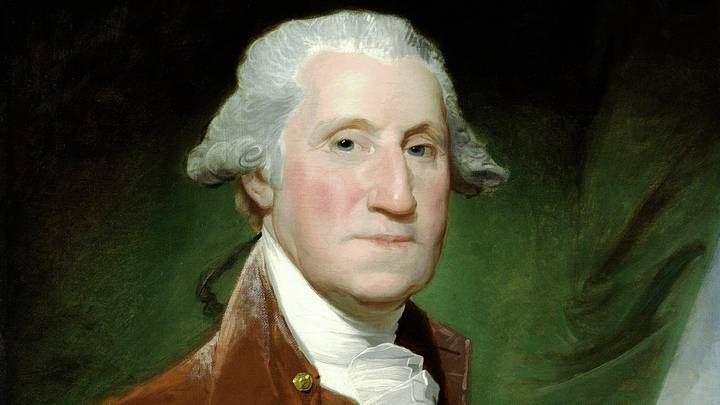
When you picture George Washington, what image enters your brain? Perhaps a prestigious portrait with a powdered wig, a stern expression, an axe poised to chop down a cherry tree, and, of course, two rows of wooden teeth. Yes, the wooden teeth.
This is one of the most enduring pieces of trivia about America's first president, repeated in classrooms and history books for generations. Chances are, you know more about Washington’s teeth than the policies he established and the battles he fought in. The only problem? His storied dentures weren't even wooden.
The truth behind his famous false teeth is far stranger, and, to modern readers, considerably more unsettling. Rather than being carved from wood, his dentures were made from a blend of materials common among dental practices and social realities of the 18th century.
While the legend has persisted for centuries, the real story exposes the painful truth about toothaches and dental difficulties, pre-novocaine.
WHAT WERE WASHINGTON'S DENTURES REALLY MADE OF?

Washington struggled with severe dental problems throughout most of his adult life. Years before he became the nation's first president, he was already losing his teeth and searching for ways to replace them. By the time he entered the White House, his dental health had deteriorated so much that, according to records from his lifetime (as transcribed by George Washington's Mount Vernon), he had only a single natural tooth left at the start of his presidency.
To cope with this, Washington owned several sets of dentures. These were not wooden, rather a combination of materials: human teeth, animal teeth, ivory from walruses and hippopotamuses, and metal components to hold everything together. While primitive by modern standards, these dentures showcased some of the most advanced dental technology available at the time.
The use of human teeth in dentures was standard in the eighteenth century. Teeth could be bought and used in dental appliances, exemplifying just how different healthcare was in Washington's time. The former president even kept his own pulled teeth inside a drawer in his study, hoping they might one day be used for future dentures.
Washington's teeth troubles affected far more than his smile. Historical accounts suggest he frequently dealt with pain and discomfort. His dentures also changed the shape of his face, contributing to the swelled appearance seen in many surviving portraits. Some artists even worked to soften or disguise the effects of the bulky dental appliances, creating the familiar image of Washington we see today.
WHY DID PEOPLE THINK THEY WERE WOODEN?

If Washington's dentures were never made of wood, how did the myth begin? One explanation can be traced to the look of the dentures themselves. The ivory used in their construction would stain over time, and as it aged, it developed cracks (that resembled wood carvings), discolorations, and patterns that mimicked wood.
The myth was likely fueled by constant repetition. Once the story entered popular culture, it became a memorable fact to share, just like the cherry tree. If you think about it, wooden teeth seem somewhat fitting for a figure portrayed as practical and down-to-earth.
Entire generations grew up believing Washington had wooden teeth without ever questioning whether it was supported by fact. The misconception was so prevalent that many people still believe it today.
A TOOTHSOME LESSON

George Washington's dentures were not wooden; in fact, their true contents were much more concerning, yet they were functional. Their actual makeup offers a glimpse into the challenges of eighteenth-century medicine, when everyday problems that are easily treated today could become lifelong struggles, even for one of the most powerful men in America.
In this case, the truth bites a bit harder than the legend. Washington helped found a nation while battling dental problems that would make most modern patients grateful for their options, even if the procedure is less than ideal.