%20%20--%3E%0A%3Csvg%20version%3D%221.1%22%20id%3D%22Layer_1%22%20xmlns%3D%22http%3A%2F%2Fwww.w3.org%2F2000%2Fsvg%22%20xmlns%3Axlink%3D%22http%3A%2F%2Fwww.w3.org%2F1999%2Fxlink%22%20x%3D%220px%22%20y%3D%220px%22%0A%09%20viewBox%3D%220%200%20684.6%2068.1%22%20style%3D%22enable-background%3Anew%200%200%20684.6%2068.1%3B%22%20xml%3Aspace%3D%22preserve%22%3E%0A%3Cg%3E%0A%09%3Cpath%20d%3D%22M444.1%2C29.3h-17.4v14.5h17.4V29.3z%20M36.4%2C68.1l29.3-50.8V0H50.4L32.9%2C36.8L15.5%2C0H0v68.1h16.7V45.8l12.4%2C22.3H36.4z%0A%09%09%20M49.1%2C68.1h16.6V23.4L49.1%2C52.1V68.1z%20M76.6%2C68.1h45V53.8H93.3V41.6h21V27.1h-21V14.8h28.3V0.1h-45V68.1z%20M175.6%2C68.1h17.3v-68%0A%09%09h-16.5v40.3L150%2C0.1h-17.6v68h16.7V27.7L175.6%2C68.1z%20M235.8%2C14.8h15.4V0.1h-47.4v14.7H219v53.2h16.8V14.8z%20M290.3%2C45.9h-17.1%0A%09%09l7.5-15.6h2L290.3%2C45.9z%20M298.7%2C68.1h18l-32.2-68h-5.7l-32%2C68h18l3.3-7.1h27.1L298.7%2C68.1z%20M325.2%2C68.1h46.2V53.8h-29.6V0.1h-16.7%0A%09%09V68.1z%20M423.7%2C14.8h27.2V0.1H407v68h16.7V14.8z%20M462%2C68.1h46.2V53.8h-29.6V0.1H462V68.1z%20M564.8%2C34.1c0%2C10.7-7.2%2C19.2-18.5%2C19.2%0A%09%09c-11.4%2C0-18.5-8.5-18.5-19.2s7.1-19.2%2C18.5-19.2C557.6%2C14.9%2C564.8%2C23.4%2C564.8%2C34.1%20M580.6%2C34.1c0-19-14.2-34-34.3-34%0A%09%09c-20.2%2C0-34.3%2C15-34.3%2C34c0%2C19%2C14.1%2C34%2C34.3%2C34C566.4%2C68.1%2C580.6%2C53.1%2C580.6%2C34.1%20M604.8%2C20.5c0-4.1%2C3.3-6.2%2C6.7-6.2%0A%09%09c4.4%2C0%2C6.6%2C3%2C6.6%2C6.6h14.7C631.8%2C9.1%2C625.1%2C0.1%2C611%2C0.1c-12%2C0-21.7%2C9.3-21.7%2C20.6c0%2C10.9%2C5.9%2C15.9%2C16.7%2C19.8%0A%09%09c5.2%2C1.8%2C11.5%2C3.2%2C11.5%2C8c0%2C3.3-2.4%2C5.5-6.4%2C5.5c-3.6%2C0-6.6-3-6.6-6.7h-15.2c0%2C11.5%2C7.9%2C20.8%2C21.8%2C20.8c12%2C0%2C21.6-9.3%2C21.6-20.6%0A%09%09c0-10-5.3-16.4-16.7-19.8C610.6%2C26.1%2C604.8%2C25.3%2C604.8%2C20.5%20M670%2C20.9h14.7C683.8%2C9.1%2C677.1%2C0.1%2C663%2C0.1c-12%2C0-21.7%2C9.3-21.7%2C20.6%0A%09%09c0%2C10.9%2C5.9%2C15.9%2C16.7%2C19.8c5.2%2C1.8%2C11.5%2C3.2%2C11.5%2C8c0%2C3.3-2.4%2C5.5-6.4%2C5.5c-3.6%2C0-6.6-3-6.6-6.7h-15.2c0%2C11.5%2C7.9%2C20.8%2C21.8%2C20.8%0A%09%09c12%2C0%2C21.6-9.3%2C21.6-20.6c0-10-5.3-16.4-16.7-19.8c-5.4-1.6-11.3-2.4-11.3-7.2c0-4.1%2C3.3-6.2%2C6.7-6.2C667.7%2C14.4%2C670%2C17.3%2C670%2C20.9%0A%09%09%22%2F%3E%0A%3C%2Fg%3E%0A%3C%2Fsvg%3E%0A)

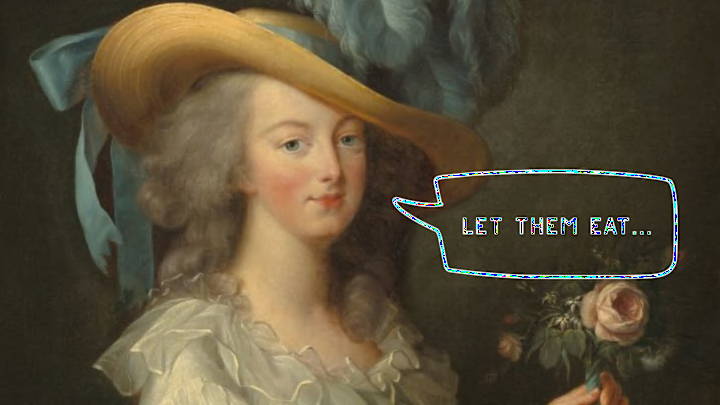
If you had to pick one quote to sum up the extravagance of the French monarchy, "Let them eat cake," would probably be it. It's succinct, dramatic, and a bit villainous. While certainly a memorable phrase to utter, there's a very good chance Marie-Antoinette never actually said it.
So, what did she say during the chaos of the French Revolution? The answer is a lot less cinematic than we've assumed for centuries.
A REVOLUTIONARY CATALYST

By the late 18th century, France was in serious trouble. Bread, a staple food at the time, was scarce, prices were high, and the population was frustrated. The monarchy, led by King Louis XVI and Queen Marie-Antoinette (who lived in the luxurious Palace of Versailles), became an easy target for public anger. Marie-Antoinette, specifically, provoked significant criticism. She was seen as a symbol of royal indulgence and served as a catalyst for revolutionary discontent.
As unrest grew in 1789, stories about the queen's supposed indifference spread like wildfire. In a society where many people struggled just to eat, the idea of a queen casually dismissing hunger acted as kindling.
According to legend, someone informed the queen that the people had no bread. Her alleged response? "Let them eat cake."
It's believable, short, and cruel. But historians have no evidence she ever said it. Even more interesting, the story didn't appear in revolutionary pamphlets or newspapers at the time, places you'd expect such damaging words to appear if it were real.
WHAT MARIE-ANTOINETTE REALLY SAID

The phrase most closely linked to Marie-Antoinette is the French line: "Qu'ils mangent de la brioche." Which doesn't translate to cake, rather, "Let them eat brioche." (Brioche is a rich, buttery bread, even in modern times a luxury compared to regular bread.)
But, even this version likely didn’t belong to her. The phrase actually appeared decades earlier in the writings of philosopher Jean-Jacques Rousseau, who attributed it vaguely to "a great princess." When the book was published, Marie-Antoinette was still a child, so it’s very unlikely that she was the person being referenced in the text.
HISTORY VS. FOLKLORE

The "cake" story fits into a long tradition of tales about out-of-touch elites. Similar anecdotes that existed across Europe, commonly drawing attention to aristocrats who were clueless about the struggles of ordinary people. Over time, the phrase became associated with Marie-Antoinette, particularly as public opinion of her declined.
Marie-Antoinette didn't shout, "Let them eat cake," at starving sans-culottes. In fact, there is no solid proof she said anything of the sort. What we’re left with is simply a myth and proof that history is shaped not only by factual records, but by rumor, repetition, and storytelling.
Sometimes, famous quotes aren't remembered because they are true; they are remembered because they feel true. “Let them eat cake” was merely too delicious a story to resist.