%20%20--%3E%0A%3Csvg%20version%3D%221.1%22%20id%3D%22Layer_1%22%20xmlns%3D%22http%3A%2F%2Fwww.w3.org%2F2000%2Fsvg%22%20xmlns%3Axlink%3D%22http%3A%2F%2Fwww.w3.org%2F1999%2Fxlink%22%20x%3D%220px%22%20y%3D%220px%22%0A%09%20viewBox%3D%220%200%20684.6%2068.1%22%20style%3D%22enable-background%3Anew%200%200%20684.6%2068.1%3B%22%20xml%3Aspace%3D%22preserve%22%3E%0A%3Cg%3E%0A%09%3Cpath%20d%3D%22M444.1%2C29.3h-17.4v14.5h17.4V29.3z%20M36.4%2C68.1l29.3-50.8V0H50.4L32.9%2C36.8L15.5%2C0H0v68.1h16.7V45.8l12.4%2C22.3H36.4z%0A%09%09%20M49.1%2C68.1h16.6V23.4L49.1%2C52.1V68.1z%20M76.6%2C68.1h45V53.8H93.3V41.6h21V27.1h-21V14.8h28.3V0.1h-45V68.1z%20M175.6%2C68.1h17.3v-68%0A%09%09h-16.5v40.3L150%2C0.1h-17.6v68h16.7V27.7L175.6%2C68.1z%20M235.8%2C14.8h15.4V0.1h-47.4v14.7H219v53.2h16.8V14.8z%20M290.3%2C45.9h-17.1%0A%09%09l7.5-15.6h2L290.3%2C45.9z%20M298.7%2C68.1h18l-32.2-68h-5.7l-32%2C68h18l3.3-7.1h27.1L298.7%2C68.1z%20M325.2%2C68.1h46.2V53.8h-29.6V0.1h-16.7%0A%09%09V68.1z%20M423.7%2C14.8h27.2V0.1H407v68h16.7V14.8z%20M462%2C68.1h46.2V53.8h-29.6V0.1H462V68.1z%20M564.8%2C34.1c0%2C10.7-7.2%2C19.2-18.5%2C19.2%0A%09%09c-11.4%2C0-18.5-8.5-18.5-19.2s7.1-19.2%2C18.5-19.2C557.6%2C14.9%2C564.8%2C23.4%2C564.8%2C34.1%20M580.6%2C34.1c0-19-14.2-34-34.3-34%0A%09%09c-20.2%2C0-34.3%2C15-34.3%2C34c0%2C19%2C14.1%2C34%2C34.3%2C34C566.4%2C68.1%2C580.6%2C53.1%2C580.6%2C34.1%20M604.8%2C20.5c0-4.1%2C3.3-6.2%2C6.7-6.2%0A%09%09c4.4%2C0%2C6.6%2C3%2C6.6%2C6.6h14.7C631.8%2C9.1%2C625.1%2C0.1%2C611%2C0.1c-12%2C0-21.7%2C9.3-21.7%2C20.6c0%2C10.9%2C5.9%2C15.9%2C16.7%2C19.8%0A%09%09c5.2%2C1.8%2C11.5%2C3.2%2C11.5%2C8c0%2C3.3-2.4%2C5.5-6.4%2C5.5c-3.6%2C0-6.6-3-6.6-6.7h-15.2c0%2C11.5%2C7.9%2C20.8%2C21.8%2C20.8c12%2C0%2C21.6-9.3%2C21.6-20.6%0A%09%09c0-10-5.3-16.4-16.7-19.8C610.6%2C26.1%2C604.8%2C25.3%2C604.8%2C20.5%20M670%2C20.9h14.7C683.8%2C9.1%2C677.1%2C0.1%2C663%2C0.1c-12%2C0-21.7%2C9.3-21.7%2C20.6%0A%09%09c0%2C10.9%2C5.9%2C15.9%2C16.7%2C19.8c5.2%2C1.8%2C11.5%2C3.2%2C11.5%2C8c0%2C3.3-2.4%2C5.5-6.4%2C5.5c-3.6%2C0-6.6-3-6.6-6.7h-15.2c0%2C11.5%2C7.9%2C20.8%2C21.8%2C20.8%0A%09%09c12%2C0%2C21.6-9.3%2C21.6-20.6c0-10-5.3-16.4-16.7-19.8c-5.4-1.6-11.3-2.4-11.3-7.2c0-4.1%2C3.3-6.2%2C6.7-6.2C667.7%2C14.4%2C670%2C17.3%2C670%2C20.9%0A%09%09%22%2F%3E%0A%3C%2Fg%3E%0A%3C%2Fsvg%3E%0A)

In the early days of the Viking era, many families in medieval Scandinavia lived largely isolated and self-supporting lives. The region’s mountainous geography, long winters, and forested landscape made travel and trade difficult, and as such many families would simply run their own farm or homestead, producing just enough food and rearing just enough livestock to support themselves. Over time, though, that began to change.
Improving technologies and agricultural techniques led to surpluses that families could look to sell or trade, and seasonal marketplaces began to emerge where these exchanges could be made and connections built with neighboring communities. By the 8th and 9th centuries, many of these marketplaces had turned into permanent fixtures, and as a supporting network of homes, businesses, and civic duties emerged around them, Scandinavia’s very first towns— among them Ribe, in southern Denmark, and Birka, near Stockholm—were born.
A consequence of these emerging towns was that the people living in them were now free to diversify and specialize their skills and trades. Where once a family would have had to work their own land to produce food, a skilled worker could now trade or sell their wares to feed their family. A new set of livelihoods and crafts ultimately arose—and as the Vikings (a term that strictly refers to the seafaring explorers of medieval Scandinavia) began to invade and settle across much of northern Europe, they eventually developed and adopted a host of skilled occupations, trades, and arts.
FARMER

Although the emergence of towns made Viking families less reliant on producing their own food, farming remained a vital part of life in medieval Scandinavia. The Vikings raised livestock, planted vegetables, and grew wheat and grains—most notably barley, which was used in making stews, bread, and ale. Sheep provided wool for clothing and fabric, cows and goats provided milk, while all animals provided meat and hide.
FISHERMAN

Fish were a hugely important part of the Viking diet, and as such an immensely lucrative business. Archeological digs in Viking settlements often discover fishing nets, hooks, and spears (alongside fish bones from more than two dozen potential species), as well as storage pots in which fish could be kept and preserved in salt or brine.
BLACKSMITH

Blacksmithing and metalworking were hugely important skills in later Viking times, as they were required for the mass production of the weapons and tools that made the Vikings such expert warriors, sailors, and builders. Blacksmithing appears to have been a highly respected trade among the Vikings as a result, with archeological evidence showing that many blacksmiths were buried with their tools and examples of their wares.
BAKER

In early medieval times, breadmaking was a largely domestic affair, with families baking simple loaves and flatbreads at home. As larger towns began to emerge, however, so too did commercial baking—a skill that only continued to grow after the Vikings settled far outside of their native Scandinavia, in more temperate regions where crop yields were greater.
WEAVER

Weaving and clothmaking was a predominantly female skill in Viking times, with women spinning wool and linen, and using simple drop looms to make fabric for clothing and sails.
POTTER

Although the Vikings commonly used large pots and cauldrons of iron and bronze in their cooking, simple clay pots were also common for eating, storing, and cooking food. As pottery turning techniques did not emerge until sometime later, most early Viking pots were made by simply layering coils of clay one on top of the other by hand, which could then be fired in pits to bake them solid.
JEWELER

Both Viking men and women wore jewelry, which in the early days of Viking culture was often fairly simplistic. Over time, however, as skills and technologies improved, so too did the quality and intricacy of the designs Viking jewelry-makers could produce, with later items often displaying extraordinarily detailed symmetrical patterns, inlaying and filigree work.
LEATHERWORKER

Leather in Viking times was used to make everything from shoes, belts, and other items of clothing to shields, scabbards, armor, slingshots, drinking vessels, and tents.
SHIPBUILDER/SEAFARER

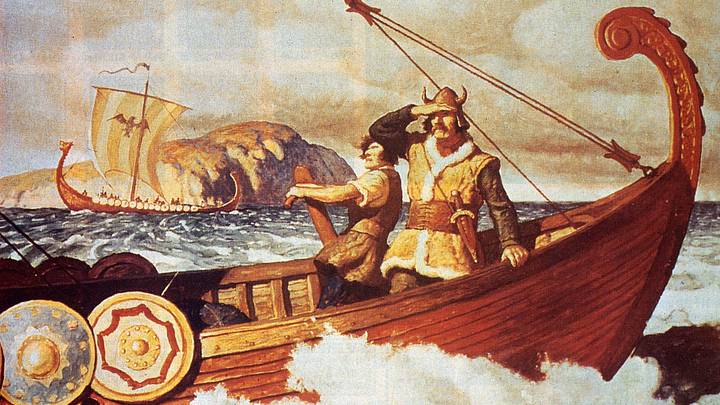
Viking culture simply would not have existed with ships and the sea; the word Viking itself, in fact, refers specifically to the piratical raiders and invaders of medieval Scandinavia. As a result, master shipbuilders were hugely important to the success of the Vikings—as were the seafarers, navigators, and other crewmembers who would man their voyages around medieval Europe. Unfortunately, precise details on who was involved in the design and construction of Viking longships, and who ultimately manned them after they had set sail, are notoriously lacking in the historical record, with only a handful of clues (chiefly from later Norwegian legal documents) giving us a hint at how these remarkable vessels would have been built and operated.