%20%20--%3E%0A%3Csvg%20version%3D%221.1%22%20id%3D%22Layer_1%22%20xmlns%3D%22http%3A%2F%2Fwww.w3.org%2F2000%2Fsvg%22%20xmlns%3Axlink%3D%22http%3A%2F%2Fwww.w3.org%2F1999%2Fxlink%22%20x%3D%220px%22%20y%3D%220px%22%0A%09%20viewBox%3D%220%200%20684.6%2068.1%22%20style%3D%22enable-background%3Anew%200%200%20684.6%2068.1%3B%22%20xml%3Aspace%3D%22preserve%22%3E%0A%3Cg%3E%0A%09%3Cpath%20d%3D%22M444.1%2C29.3h-17.4v14.5h17.4V29.3z%20M36.4%2C68.1l29.3-50.8V0H50.4L32.9%2C36.8L15.5%2C0H0v68.1h16.7V45.8l12.4%2C22.3H36.4z%0A%09%09%20M49.1%2C68.1h16.6V23.4L49.1%2C52.1V68.1z%20M76.6%2C68.1h45V53.8H93.3V41.6h21V27.1h-21V14.8h28.3V0.1h-45V68.1z%20M175.6%2C68.1h17.3v-68%0A%09%09h-16.5v40.3L150%2C0.1h-17.6v68h16.7V27.7L175.6%2C68.1z%20M235.8%2C14.8h15.4V0.1h-47.4v14.7H219v53.2h16.8V14.8z%20M290.3%2C45.9h-17.1%0A%09%09l7.5-15.6h2L290.3%2C45.9z%20M298.7%2C68.1h18l-32.2-68h-5.7l-32%2C68h18l3.3-7.1h27.1L298.7%2C68.1z%20M325.2%2C68.1h46.2V53.8h-29.6V0.1h-16.7%0A%09%09V68.1z%20M423.7%2C14.8h27.2V0.1H407v68h16.7V14.8z%20M462%2C68.1h46.2V53.8h-29.6V0.1H462V68.1z%20M564.8%2C34.1c0%2C10.7-7.2%2C19.2-18.5%2C19.2%0A%09%09c-11.4%2C0-18.5-8.5-18.5-19.2s7.1-19.2%2C18.5-19.2C557.6%2C14.9%2C564.8%2C23.4%2C564.8%2C34.1%20M580.6%2C34.1c0-19-14.2-34-34.3-34%0A%09%09c-20.2%2C0-34.3%2C15-34.3%2C34c0%2C19%2C14.1%2C34%2C34.3%2C34C566.4%2C68.1%2C580.6%2C53.1%2C580.6%2C34.1%20M604.8%2C20.5c0-4.1%2C3.3-6.2%2C6.7-6.2%0A%09%09c4.4%2C0%2C6.6%2C3%2C6.6%2C6.6h14.7C631.8%2C9.1%2C625.1%2C0.1%2C611%2C0.1c-12%2C0-21.7%2C9.3-21.7%2C20.6c0%2C10.9%2C5.9%2C15.9%2C16.7%2C19.8%0A%09%09c5.2%2C1.8%2C11.5%2C3.2%2C11.5%2C8c0%2C3.3-2.4%2C5.5-6.4%2C5.5c-3.6%2C0-6.6-3-6.6-6.7h-15.2c0%2C11.5%2C7.9%2C20.8%2C21.8%2C20.8c12%2C0%2C21.6-9.3%2C21.6-20.6%0A%09%09c0-10-5.3-16.4-16.7-19.8C610.6%2C26.1%2C604.8%2C25.3%2C604.8%2C20.5%20M670%2C20.9h14.7C683.8%2C9.1%2C677.1%2C0.1%2C663%2C0.1c-12%2C0-21.7%2C9.3-21.7%2C20.6%0A%09%09c0%2C10.9%2C5.9%2C15.9%2C16.7%2C19.8c5.2%2C1.8%2C11.5%2C3.2%2C11.5%2C8c0%2C3.3-2.4%2C5.5-6.4%2C5.5c-3.6%2C0-6.6-3-6.6-6.7h-15.2c0%2C11.5%2C7.9%2C20.8%2C21.8%2C20.8%0A%09%09c12%2C0%2C21.6-9.3%2C21.6-20.6c0-10-5.3-16.4-16.7-19.8c-5.4-1.6-11.3-2.4-11.3-7.2c0-4.1%2C3.3-6.2%2C6.7-6.2C667.7%2C14.4%2C670%2C17.3%2C670%2C20.9%0A%09%09%22%2F%3E%0A%3C%2Fg%3E%0A%3C%2Fsvg%3E%0A)

November sees the return of the successful HBO series The Gilded Age, which follows the wealthy families of elite New York Society in the late 19th century. One of the most famous events related to the real Gilded Age families, and which also marked a notable cultural shift in the city, concerned a huge party which was thrown by the Vanderbilts in 1883, which has come to be viewed as a watershed in New York’s social history.
This is the story of the party that changed the city’s society forever.
Why the Vanderbilt Costume Ball Was So Important
The party in question was the Vanderbilt Costume Ball, which took place on March 26, 1883, and cost around $250,000, the equivalent of about $7.3 million today. It took place at the Vanderbilt Mansion, which was one of a number of Vanderbilt houses on Fifth Avenue in Manhattan: this one was the Petit Château, which was located at 660 Fifth Avenue.
The fact that the Vanderbilts could afford to spend so much money on one party was designed to emphasize their status. The wealth of the family was thanks to the business magnate Cornelius Vanderbilt, who built his fortune through the railroads, and began a dynasty which survives to this day.
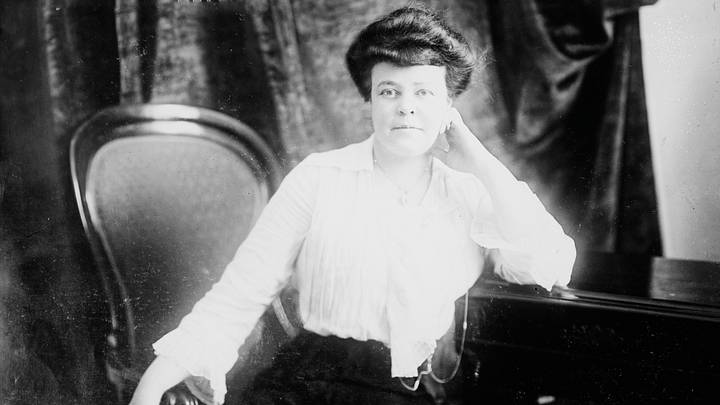
When Cornelius Vanderbilt died in 1877, he was estimated to be the richest man in the world, and left an estate worth $105 million (almost $3 billion today). However, his family were still not accepted by the elite society of New York, which tended to look down on those who had generated their own wealth within a short time instead of it being inherited over multiple generations. But Cornelius Vanderbilt’s granddaughter-in-law Alva Vanderbilt, wife of his grandson William Kissam Vanderbilt, was determined to change the status of the family within the city’s high society.
Alva Vanderbilt decided to host a ball in order to highlight the wealth and prestige of the Vanderbilts, and to make a case for them having their place in New York’s social elite. They wanted to be on what was known as the “List of 400”: a list drawn up by Caroline Astor and Ward McAllister of the 400 people who were deemed to be the “high society” of the city, and within which the Vanderbilts were not included.
So Alva sought to create a lavish spectacle which exceeded even the grandest past parties seen in high society Manhattan, and would make it a must-attend event even for those who had previously shunned them.
The Strategy
Alva’s tactics in her campaign included inviting the press to view the Vanderbilt mansion’s decorations in advance of the ball, which were then reported in the papers, creating anticipation for the event. She also used social strategy by initially refusing to invite Carrie Astor, daughter of the famous Astor family. This was because the Astors had never called upon the Vanderbilts or given them proper acknowledgement, including excluding them from the aforementioned List of 400.
As interest in the ball grew and many others began to be invited, it became evident that Carrie had not. Alva claimed this was simply due to the fact that as the Astors had never called upon the Vanderbilts and left their card, she had no address to which to send the invitation. The Astors then realized they had to call upon the Vanderbilts in order to ensure Carrie was included at what was becoming a major social occasion.
Following the call, the Astors were then sent invitations to the ball the very next day, and the stage was being set for the social event of the season.
On the evening of the ball itself, 1200 guests arrived in carriages, excited at the highly anticipated event which lay ahead. There was so much interest in the ball that members of the public also came to the street to get a glimpse of the proceedings, and police were on hand to hold back some of the crowds and to direct the carriages the correct way.
At the ball, there was a great deal of dancing, and many guests practiced for weekend beforehand in order to make a good impression. The dances included a number of quadrilles which were focused on historical and cultural themes, including one with costumes inspired by the court of Frederick the Great.
There was also an emphasis on dressing elaborately, and many photographs survive which show the lavish costumes worn to the ball. This includes what has become known as the Electric Light Dress, which was actually able to light up due to being powered by batteries, and which can be seen today in the Museum of New York City. That many images still exist is due to another of the factors which helped the ball to be remembered: Alva Vanderbilt decided to set up a photographer’s studio at the ball to record guests in their outfits.
The party carried on through the evening and into the early hours, with dinner being served at 2:00 a.m., and the whole event eventually concluded as a new day was dawning,
The Aftermath

The party was a huge success, and became an immediate talking point in the press. Its impact changed New York society in the long term as well as the short term, because it showed that the divisions were beginning to dissolve: the “old money” families had to accept the “nouveau riche.” The barriers to families and individuals who had created their own wealth were beginning to come down, and this ball was a key sign of what lay on the horizon.
The groundbreaking event inspired Bertha’s party in the finale of The Gilded Age season 1. “I remember when I read about Alva’s ball, I thought, this is so great,” co-creator/showrunner Julian Fellowes told Vanity Fair. “I’m just going to lift the whole thing, and put it into the drama.”