%20%20--%3E%0A%3Csvg%20version%3D%221.1%22%20id%3D%22Layer_1%22%20xmlns%3D%22http%3A%2F%2Fwww.w3.org%2F2000%2Fsvg%22%20xmlns%3Axlink%3D%22http%3A%2F%2Fwww.w3.org%2F1999%2Fxlink%22%20x%3D%220px%22%20y%3D%220px%22%0A%09%20viewBox%3D%220%200%20684.6%2068.1%22%20style%3D%22enable-background%3Anew%200%200%20684.6%2068.1%3B%22%20xml%3Aspace%3D%22preserve%22%3E%0A%3Cg%3E%0A%09%3Cpath%20d%3D%22M444.1%2C29.3h-17.4v14.5h17.4V29.3z%20M36.4%2C68.1l29.3-50.8V0H50.4L32.9%2C36.8L15.5%2C0H0v68.1h16.7V45.8l12.4%2C22.3H36.4z%0A%09%09%20M49.1%2C68.1h16.6V23.4L49.1%2C52.1V68.1z%20M76.6%2C68.1h45V53.8H93.3V41.6h21V27.1h-21V14.8h28.3V0.1h-45V68.1z%20M175.6%2C68.1h17.3v-68%0A%09%09h-16.5v40.3L150%2C0.1h-17.6v68h16.7V27.7L175.6%2C68.1z%20M235.8%2C14.8h15.4V0.1h-47.4v14.7H219v53.2h16.8V14.8z%20M290.3%2C45.9h-17.1%0A%09%09l7.5-15.6h2L290.3%2C45.9z%20M298.7%2C68.1h18l-32.2-68h-5.7l-32%2C68h18l3.3-7.1h27.1L298.7%2C68.1z%20M325.2%2C68.1h46.2V53.8h-29.6V0.1h-16.7%0A%09%09V68.1z%20M423.7%2C14.8h27.2V0.1H407v68h16.7V14.8z%20M462%2C68.1h46.2V53.8h-29.6V0.1H462V68.1z%20M564.8%2C34.1c0%2C10.7-7.2%2C19.2-18.5%2C19.2%0A%09%09c-11.4%2C0-18.5-8.5-18.5-19.2s7.1-19.2%2C18.5-19.2C557.6%2C14.9%2C564.8%2C23.4%2C564.8%2C34.1%20M580.6%2C34.1c0-19-14.2-34-34.3-34%0A%09%09c-20.2%2C0-34.3%2C15-34.3%2C34c0%2C19%2C14.1%2C34%2C34.3%2C34C566.4%2C68.1%2C580.6%2C53.1%2C580.6%2C34.1%20M604.8%2C20.5c0-4.1%2C3.3-6.2%2C6.7-6.2%0A%09%09c4.4%2C0%2C6.6%2C3%2C6.6%2C6.6h14.7C631.8%2C9.1%2C625.1%2C0.1%2C611%2C0.1c-12%2C0-21.7%2C9.3-21.7%2C20.6c0%2C10.9%2C5.9%2C15.9%2C16.7%2C19.8%0A%09%09c5.2%2C1.8%2C11.5%2C3.2%2C11.5%2C8c0%2C3.3-2.4%2C5.5-6.4%2C5.5c-3.6%2C0-6.6-3-6.6-6.7h-15.2c0%2C11.5%2C7.9%2C20.8%2C21.8%2C20.8c12%2C0%2C21.6-9.3%2C21.6-20.6%0A%09%09c0-10-5.3-16.4-16.7-19.8C610.6%2C26.1%2C604.8%2C25.3%2C604.8%2C20.5%20M670%2C20.9h14.7C683.8%2C9.1%2C677.1%2C0.1%2C663%2C0.1c-12%2C0-21.7%2C9.3-21.7%2C20.6%0A%09%09c0%2C10.9%2C5.9%2C15.9%2C16.7%2C19.8c5.2%2C1.8%2C11.5%2C3.2%2C11.5%2C8c0%2C3.3-2.4%2C5.5-6.4%2C5.5c-3.6%2C0-6.6-3-6.6-6.7h-15.2c0%2C11.5%2C7.9%2C20.8%2C21.8%2C20.8%0A%09%09c12%2C0%2C21.6-9.3%2C21.6-20.6c0-10-5.3-16.4-16.7-19.8c-5.4-1.6-11.3-2.4-11.3-7.2c0-4.1%2C3.3-6.2%2C6.7-6.2C667.7%2C14.4%2C670%2C17.3%2C670%2C20.9%0A%09%09%22%2F%3E%0A%3C%2Fg%3E%0A%3C%2Fsvg%3E%0A)

Real-life royal successions have a long history of becoming as bloody, brutal, and convoluted as anything found in HBO’s epic fantasy series House of the Dragon. Religion, politics, disputed claims, and a lust for power have all played a part in many handovers of power—and sometimes, matters could only be settled by the sword.
From back-stabbing plots and fake babies to misogyny, shipwrecks, and storms, we round up some of the most jaw-dropping, novel-worthy succession crises ever to have stained the pages of history.
King James II

English king James II, who lived from 1633 to 1701, knew he was in a precarious position when he took to the throne in 1685. The country had become increasingly split between Protestants and Catholics. As a Catholic king reigning over a Protestant-controlled parliament, tensions were always high.
In 1688, a baby boy was born to James's wife, Mary of Modena. Proving that conspiracy theories are no modern invention, rumors circulated that the baby was fake, that Mary had never been pregnant, and that a substitute infant had been smuggled in. Despite plenty of evidence to the contrary, the rumors stuck, and James was eventually ousted by the Glorious Revolution.
Henry I

Henry Beauclerc, a.k.a. Henry I, reigned in England from 1100 until 1135. His succession looked secure until 1120, when his son, William Adelin, died in what became known as the White Ship tragedy—an ill-advised jaunt across the English Channel undertaken by 300 inebriated young noblemen, William among them.
When their ship floundered on rocks, nearly every person onboard drowned, with William one of the unfortunates. Henry subsequently named his daughter, Mathilda, as heir. Predictably, the idea of handing the reins of power to a woman didn't go down well in all quarters. Upon Henry's death, his nephew, Stephen of Blois, seized the throne, triggering 18 years of highly destructive warfare.
Edward the Confessor

King of England from 1042 to 1066, Edward the Confessor earned his sobriquet thanks to a reputation for being especially pious. So great was this reputation that he was eventually canonized by the Roman Catholic Church.
Unfortunately, Edward's passing in 1066 triggered a bloody race for the crown. He left behind no direct descendants and four rival contenders to the throne, each of whom claimed to have been promised the top spot. Anglo-Saxons Harold Godwinson and Edgar Ætheling, William of Normandy, and Norwegian King Harold Hardrada all fought to a messy conclusion, with two of them meeting violent deaths along the way.
Alexander III

The tale of the demise King Alexander III of Scotland and its aftermath reads like a novel in itself. On March 19th, 1286, outside Edinburgh Castle, a terrible storm was raging. Inside, Alexander, having finished a meeting with his officials, was determined to set off for the town of Fife to meet with his pregnant wife, Queen Yolande. Ignoring pleas from his advisors, Alexander and his retinue set out into the night, battling the elements.
At some point, Alexander became separated from his men and was found the next day with his neck broken, having presumably fallen from his horse. When Yolande miscarried, Margaret, Maid of Norway, was named heir. There was a slight problem with this—Margaret was only three years old at the time. Six guardians were appointed to take charge until the young queen-to-be came of age, but when Margaret tragically died in 1290, no fewer than 13 competitors for the throne emerged, throwing the county in chaos.
Domitian

Emperor of Rome from 81to 96CE, Domitian has been described as ruthless but efficient—not exactly a glowing endorsement, and the facts seem to back this up. During his reign, Domitian had numerous rivals executed, including his own cousin, Flavius Clemens, and was keen on confiscating the property of his victims.
Perhaps it's fitting, then, that Domitian was himself eventually assassinated. Within hours of the emperor's death, the aging, childless Marcus Cocceius Nerva was proclaimed emperor. Members of the elite Praetorian Guard were less than happy, and in October 97CE, the country reached boiling point. The Guard surrounded the Imperial Palace, forcing Nerva into embarrassing concessions from which he would never truly recover.
Louis XIV

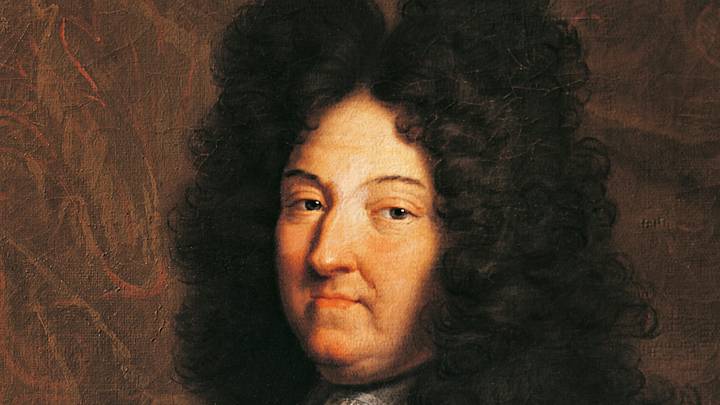
Louis XIV, the “Sun King,” reigned in France from 1643 until 1715. A cultured man who led a sumptuous court life, Louis believed absolutely in his divine right to rule. He had six children with his wife, Maria Theresea, and countless more with a cadre of mistresses.
Believing he could break the rules as he pleased, Louis had many of these illegitimate children officially legitimized, but when he tried to institute two of his favorites as official heirs, it was seen as a step too far. When Louis died, his detractors published over 40 pamphlets charging the king with having perverted the natural law of succession. In the end, Parliament agreed with this view, and with no surviving legitimate son or grandson, Louis's great-grandson eventually took the crown.
The 2027 Mental Floss Amazing Facts Calendar is now on sale! Order yours today.