%20%20--%3E%0A%3Csvg%20version%3D%221.1%22%20id%3D%22Layer_1%22%20xmlns%3D%22http%3A%2F%2Fwww.w3.org%2F2000%2Fsvg%22%20xmlns%3Axlink%3D%22http%3A%2F%2Fwww.w3.org%2F1999%2Fxlink%22%20x%3D%220px%22%20y%3D%220px%22%0A%09%20viewBox%3D%220%200%20684.6%2068.1%22%20style%3D%22enable-background%3Anew%200%200%20684.6%2068.1%3B%22%20xml%3Aspace%3D%22preserve%22%3E%0A%3Cg%3E%0A%09%3Cpath%20d%3D%22M444.1%2C29.3h-17.4v14.5h17.4V29.3z%20M36.4%2C68.1l29.3-50.8V0H50.4L32.9%2C36.8L15.5%2C0H0v68.1h16.7V45.8l12.4%2C22.3H36.4z%0A%09%09%20M49.1%2C68.1h16.6V23.4L49.1%2C52.1V68.1z%20M76.6%2C68.1h45V53.8H93.3V41.6h21V27.1h-21V14.8h28.3V0.1h-45V68.1z%20M175.6%2C68.1h17.3v-68%0A%09%09h-16.5v40.3L150%2C0.1h-17.6v68h16.7V27.7L175.6%2C68.1z%20M235.8%2C14.8h15.4V0.1h-47.4v14.7H219v53.2h16.8V14.8z%20M290.3%2C45.9h-17.1%0A%09%09l7.5-15.6h2L290.3%2C45.9z%20M298.7%2C68.1h18l-32.2-68h-5.7l-32%2C68h18l3.3-7.1h27.1L298.7%2C68.1z%20M325.2%2C68.1h46.2V53.8h-29.6V0.1h-16.7%0A%09%09V68.1z%20M423.7%2C14.8h27.2V0.1H407v68h16.7V14.8z%20M462%2C68.1h46.2V53.8h-29.6V0.1H462V68.1z%20M564.8%2C34.1c0%2C10.7-7.2%2C19.2-18.5%2C19.2%0A%09%09c-11.4%2C0-18.5-8.5-18.5-19.2s7.1-19.2%2C18.5-19.2C557.6%2C14.9%2C564.8%2C23.4%2C564.8%2C34.1%20M580.6%2C34.1c0-19-14.2-34-34.3-34%0A%09%09c-20.2%2C0-34.3%2C15-34.3%2C34c0%2C19%2C14.1%2C34%2C34.3%2C34C566.4%2C68.1%2C580.6%2C53.1%2C580.6%2C34.1%20M604.8%2C20.5c0-4.1%2C3.3-6.2%2C6.7-6.2%0A%09%09c4.4%2C0%2C6.6%2C3%2C6.6%2C6.6h14.7C631.8%2C9.1%2C625.1%2C0.1%2C611%2C0.1c-12%2C0-21.7%2C9.3-21.7%2C20.6c0%2C10.9%2C5.9%2C15.9%2C16.7%2C19.8%0A%09%09c5.2%2C1.8%2C11.5%2C3.2%2C11.5%2C8c0%2C3.3-2.4%2C5.5-6.4%2C5.5c-3.6%2C0-6.6-3-6.6-6.7h-15.2c0%2C11.5%2C7.9%2C20.8%2C21.8%2C20.8c12%2C0%2C21.6-9.3%2C21.6-20.6%0A%09%09c0-10-5.3-16.4-16.7-19.8C610.6%2C26.1%2C604.8%2C25.3%2C604.8%2C20.5%20M670%2C20.9h14.7C683.8%2C9.1%2C677.1%2C0.1%2C663%2C0.1c-12%2C0-21.7%2C9.3-21.7%2C20.6%0A%09%09c0%2C10.9%2C5.9%2C15.9%2C16.7%2C19.8c5.2%2C1.8%2C11.5%2C3.2%2C11.5%2C8c0%2C3.3-2.4%2C5.5-6.4%2C5.5c-3.6%2C0-6.6-3-6.6-6.7h-15.2c0%2C11.5%2C7.9%2C20.8%2C21.8%2C20.8%0A%09%09c12%2C0%2C21.6-9.3%2C21.6-20.6c0-10-5.3-16.4-16.7-19.8c-5.4-1.6-11.3-2.4-11.3-7.2c0-4.1%2C3.3-6.2%2C6.7-6.2C667.7%2C14.4%2C670%2C17.3%2C670%2C20.9%0A%09%09%22%2F%3E%0A%3C%2Fg%3E%0A%3C%2Fsvg%3E%0A)

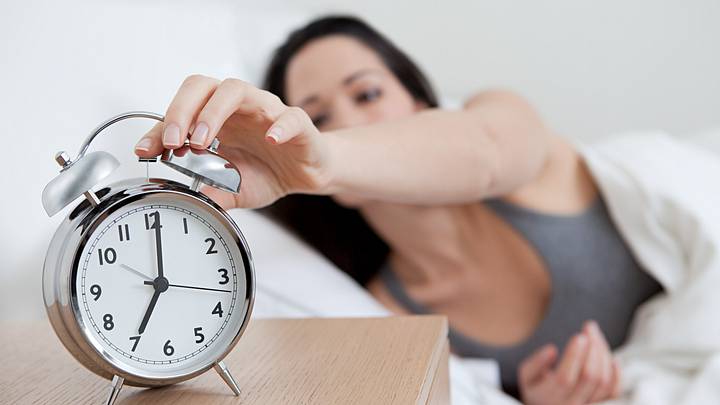
Humanity has been devising clever ways to wake itself up throughout history for as long as there have been reasons to have to rise at a specific hour. Examples include the water clock, an invention of the Greek philosopher Plato that whistled like a tea kettle, and the medieval candle clock, nails stuck into a wax candle that would, as the candle was consumed by its flame, drop onto a metal pan below.
During the Industrial Revolution, as labor moved from farms to factories, people relied on other people to wake them up. In England, these were called knocker-uppers, and as their name suggests, they would spend the night and early morning going from neighborhood to neighborhood telling customers to get out of bed. Much like the mechanical alarm clocks that eventually replaced them, their services weren’t always appreciated.
How Knocker-Uppers Worked
No two knocker-uppers worked the same way. Some used rods and sticks to tap at windows, while others whistled. Mary Smith, a knocker-upper who worked in London’s East End, carried a pea shooter. Often photographed while taking aim, she later became the subject of a children’s book.
In 1930s, Mary Smith earned 6 Pence per week working as a knocker-upper in East London, a job that involved waking sleeping workers by shooting dried peas at their windows. This unique profession emerged during the Industrial Revolution, when reliable and affordable alarm clocks… pic.twitter.com/Wg4RRI8ioU
— Archaeo - Histories (@archeohistories) December 23, 2025
Not all knocker-uppers were as beloved as Smith. One, interviewed by a Canadian newspaper in 1878, recalled that while some clients expressed their gratitude, wishing her good morning as they opened their window, others were “surly or hot-tempered,” and would meet her with the kind of growls people today show their iPhone alarms.
Appreciated or not, knocker-uppers were pillars of their community. Not only because employment benefits were non-existent and factory owners readily fired those who showed up late, but also because—walking the streets when everyone else was asleep—knocker-uppers also doubled as vigilantes and first-responders. One once saved a family from a burning house, while another alerted the fire station after passing a burning shop.
Their Value Was Underappreciated
Despite their valuable contributions to society, knocker-uppers did not exactly earn a lot money. Mary Smith is said to have collected six pence per week: hardly enough to purchase a four-pound loaf of bread. Most knocker-uppers who worked full-time did so out of necessity, not by choice. Some knocker-uppers were small children, doing what work they could to support their families.
Others used it to supplement the income of their main job: the first police officer to be alerted about the discovery of serial killer Jack the Ripper’s first victim—Mary Ann Nichols—was, according to testimony of one of the two men that approached him, busy knocking on doors, and even proceeded with his daily round rather than check out the crime scene.
The profession gradually faded away at the start of the 20th century, when mechanical alarm clocks became both available and affordable. Mary Smith’s daughter, Molly Moore, took over her mother’s profession. One of the last knocker-uppers in all of London, she continued her work into the Second World War, braving German air raids.