%20%20--%3E%0A%3Csvg%20version%3D%221.1%22%20id%3D%22Layer_1%22%20xmlns%3D%22http%3A%2F%2Fwww.w3.org%2F2000%2Fsvg%22%20xmlns%3Axlink%3D%22http%3A%2F%2Fwww.w3.org%2F1999%2Fxlink%22%20x%3D%220px%22%20y%3D%220px%22%0A%09%20viewBox%3D%220%200%20684.6%2068.1%22%20style%3D%22enable-background%3Anew%200%200%20684.6%2068.1%3B%22%20xml%3Aspace%3D%22preserve%22%3E%0A%3Cg%3E%0A%09%3Cpath%20d%3D%22M444.1%2C29.3h-17.4v14.5h17.4V29.3z%20M36.4%2C68.1l29.3-50.8V0H50.4L32.9%2C36.8L15.5%2C0H0v68.1h16.7V45.8l12.4%2C22.3H36.4z%0A%09%09%20M49.1%2C68.1h16.6V23.4L49.1%2C52.1V68.1z%20M76.6%2C68.1h45V53.8H93.3V41.6h21V27.1h-21V14.8h28.3V0.1h-45V68.1z%20M175.6%2C68.1h17.3v-68%0A%09%09h-16.5v40.3L150%2C0.1h-17.6v68h16.7V27.7L175.6%2C68.1z%20M235.8%2C14.8h15.4V0.1h-47.4v14.7H219v53.2h16.8V14.8z%20M290.3%2C45.9h-17.1%0A%09%09l7.5-15.6h2L290.3%2C45.9z%20M298.7%2C68.1h18l-32.2-68h-5.7l-32%2C68h18l3.3-7.1h27.1L298.7%2C68.1z%20M325.2%2C68.1h46.2V53.8h-29.6V0.1h-16.7%0A%09%09V68.1z%20M423.7%2C14.8h27.2V0.1H407v68h16.7V14.8z%20M462%2C68.1h46.2V53.8h-29.6V0.1H462V68.1z%20M564.8%2C34.1c0%2C10.7-7.2%2C19.2-18.5%2C19.2%0A%09%09c-11.4%2C0-18.5-8.5-18.5-19.2s7.1-19.2%2C18.5-19.2C557.6%2C14.9%2C564.8%2C23.4%2C564.8%2C34.1%20M580.6%2C34.1c0-19-14.2-34-34.3-34%0A%09%09c-20.2%2C0-34.3%2C15-34.3%2C34c0%2C19%2C14.1%2C34%2C34.3%2C34C566.4%2C68.1%2C580.6%2C53.1%2C580.6%2C34.1%20M604.8%2C20.5c0-4.1%2C3.3-6.2%2C6.7-6.2%0A%09%09c4.4%2C0%2C6.6%2C3%2C6.6%2C6.6h14.7C631.8%2C9.1%2C625.1%2C0.1%2C611%2C0.1c-12%2C0-21.7%2C9.3-21.7%2C20.6c0%2C10.9%2C5.9%2C15.9%2C16.7%2C19.8%0A%09%09c5.2%2C1.8%2C11.5%2C3.2%2C11.5%2C8c0%2C3.3-2.4%2C5.5-6.4%2C5.5c-3.6%2C0-6.6-3-6.6-6.7h-15.2c0%2C11.5%2C7.9%2C20.8%2C21.8%2C20.8c12%2C0%2C21.6-9.3%2C21.6-20.6%0A%09%09c0-10-5.3-16.4-16.7-19.8C610.6%2C26.1%2C604.8%2C25.3%2C604.8%2C20.5%20M670%2C20.9h14.7C683.8%2C9.1%2C677.1%2C0.1%2C663%2C0.1c-12%2C0-21.7%2C9.3-21.7%2C20.6%0A%09%09c0%2C10.9%2C5.9%2C15.9%2C16.7%2C19.8c5.2%2C1.8%2C11.5%2C3.2%2C11.5%2C8c0%2C3.3-2.4%2C5.5-6.4%2C5.5c-3.6%2C0-6.6-3-6.6-6.7h-15.2c0%2C11.5%2C7.9%2C20.8%2C21.8%2C20.8%0A%09%09c12%2C0%2C21.6-9.3%2C21.6-20.6c0-10-5.3-16.4-16.7-19.8c-5.4-1.6-11.3-2.4-11.3-7.2c0-4.1%2C3.3-6.2%2C6.7-6.2C667.7%2C14.4%2C670%2C17.3%2C670%2C20.9%0A%09%09%22%2F%3E%0A%3C%2Fg%3E%0A%3C%2Fsvg%3E%0A)

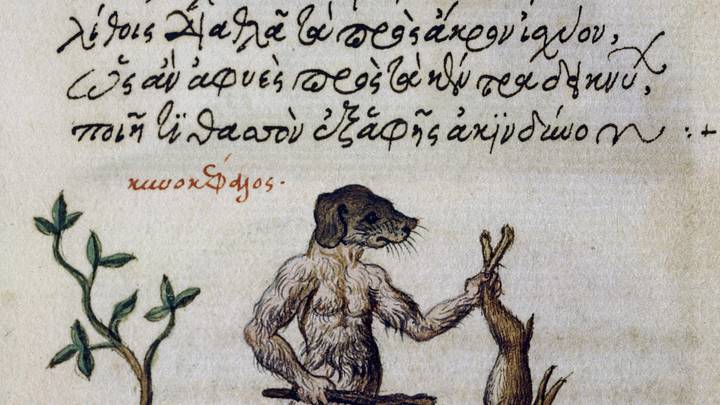
You’ve probably heard about the witch trials that plagued Europe and America between the 15th and 18th centuries. But did you know that many people were accused of being werewolves during this time as well?
It’s true: some two centuries before the Salem witch trials, both men and women were charged with transforming into werewolves all across Europe, and many were executed in brutal fashions for this alleged crime. Some of them even confessed to it.
The origins of the werewolf trials

Belief in werewolves and shapeshifters has existed since ancient times. In the Epic of Gilgamesh, which dates to around 2100 BCE, a man disavows his lover after discovering that she turned a former flame into a werewolf.
Folklore about werewolves was popular in the Middle Ages, though the werewolves in these stories typically did not transform by choice and were often pitied. Yet as fear of witches developed into witch trials in the 1400s, fear of werewolves grew alongside it.
The first werewolf trials are believed to have taken place in the Valais region of Switzerland, where witches were blamed for destroying calves, killing cattle, and for pretty much any and all misfortune. Many witches were also accused of shapeshifting into wolves, and several hundred people were burned at the stake there beginning in 1428.
Werewolf fever takes hold in France

Werewolf trials soon spread to France, and one of the first formally documented werewolf trials took place in 1521. Following an alleged wolf attack, three men named Michel Verdun, Philibert Montot, and Pierre Bourgot were arrested and tortured by Pope-appointed inquisitors until two of them admitted to the crime of lycanthropy. They also said they had been given a special ointment that gave them shapeshifting abilities, and claimed to have renounced God and joined forces with the Devil. All three men were subsequently burned at the stake.
Another famous French case involved a man named Gilles Garnier, an impoverished hermit who lived in Dole, France. According to rumors, Garnier was a serial killer and a cannibal who devoured children’s corpses. When a group of workers apprehended him in the forest one night, one of the workers claimed that Garnier resembled a wolf.
During his trial, Garnier confessed to being visited by a specter who gave him an ointment that endowed him with wolfish powers. He also confessed to murdering and cannibalizing four children, and was quickly executed.
Not every accused werewolf was actually killed. A man named Jacques Roulet was able to successfully make the claim that he was “feeble-minded,” not a werewolf, and was sent to an asylum. Still others, like the unfortunate Peter Stumpp, were horribly tortured and made into examples for the public.
Werewolves of Livonia

By the 1600s, werewolf fever had spread to Livonia. One of the more famous trials from this region occurred in 1692 and involved a man named Theiss of Kaltenbrun, who openly declared himself a werewolf and called himself a “Hound of God.” He also claimed to travel to Hell three times per year to fight the Devil alongside a coterie of witches, apparently in order to protect the world’s livestock. Theiss, who was known to be a folk healer as well, was ultimately charged with practicing folk magic and was flogged and banished by devoutly Lutheran authorities.
Another Livonian case with a gorier ending involved an 18-year-old named Hans, who was charged with lycanthropy in 1651. He admitted that he had been bitten by a man in black whom he belived was Satan, and said this caused him to shapeshift into a wolf. He was sentenced to death on the basis of his confession alone.
Why did werewolf trials occur?

Werewolf trials occurred sporadically throughout the 17th century, and scholars believe that up to several hundred people may have been put to death after being accused of lycanthropy. But what actually caused many of these people to claim that they were werewolves? Psychosis could have been behind it, or the use of hallucinogenic herbs and folk medicines, according to some theories.
Many people were likely tortured into admitting they were werewolves. Others may not have had the intelligence or clarity of mind to understand what was happening. Some “werewolves,” meanwhile, may have actually been real criminals or serial killers.
Another theory holds that so-called “werewolves” may have suffered from porphyria, a condition that leads to light sensitivity and psychosis, or even hypertrichosis, which causes excessive hair growth. Certainly, the very same climate of fear and paranoia that led to the witch trials also contributed to the werewolf trials of the day.