%20%20--%3E%0A%3Csvg%20version%3D%221.1%22%20id%3D%22Layer_1%22%20xmlns%3D%22http%3A%2F%2Fwww.w3.org%2F2000%2Fsvg%22%20xmlns%3Axlink%3D%22http%3A%2F%2Fwww.w3.org%2F1999%2Fxlink%22%20x%3D%220px%22%20y%3D%220px%22%0A%09%20viewBox%3D%220%200%20684.6%2068.1%22%20style%3D%22enable-background%3Anew%200%200%20684.6%2068.1%3B%22%20xml%3Aspace%3D%22preserve%22%3E%0A%3Cg%3E%0A%09%3Cpath%20d%3D%22M444.1%2C29.3h-17.4v14.5h17.4V29.3z%20M36.4%2C68.1l29.3-50.8V0H50.4L32.9%2C36.8L15.5%2C0H0v68.1h16.7V45.8l12.4%2C22.3H36.4z%0A%09%09%20M49.1%2C68.1h16.6V23.4L49.1%2C52.1V68.1z%20M76.6%2C68.1h45V53.8H93.3V41.6h21V27.1h-21V14.8h28.3V0.1h-45V68.1z%20M175.6%2C68.1h17.3v-68%0A%09%09h-16.5v40.3L150%2C0.1h-17.6v68h16.7V27.7L175.6%2C68.1z%20M235.8%2C14.8h15.4V0.1h-47.4v14.7H219v53.2h16.8V14.8z%20M290.3%2C45.9h-17.1%0A%09%09l7.5-15.6h2L290.3%2C45.9z%20M298.7%2C68.1h18l-32.2-68h-5.7l-32%2C68h18l3.3-7.1h27.1L298.7%2C68.1z%20M325.2%2C68.1h46.2V53.8h-29.6V0.1h-16.7%0A%09%09V68.1z%20M423.7%2C14.8h27.2V0.1H407v68h16.7V14.8z%20M462%2C68.1h46.2V53.8h-29.6V0.1H462V68.1z%20M564.8%2C34.1c0%2C10.7-7.2%2C19.2-18.5%2C19.2%0A%09%09c-11.4%2C0-18.5-8.5-18.5-19.2s7.1-19.2%2C18.5-19.2C557.6%2C14.9%2C564.8%2C23.4%2C564.8%2C34.1%20M580.6%2C34.1c0-19-14.2-34-34.3-34%0A%09%09c-20.2%2C0-34.3%2C15-34.3%2C34c0%2C19%2C14.1%2C34%2C34.3%2C34C566.4%2C68.1%2C580.6%2C53.1%2C580.6%2C34.1%20M604.8%2C20.5c0-4.1%2C3.3-6.2%2C6.7-6.2%0A%09%09c4.4%2C0%2C6.6%2C3%2C6.6%2C6.6h14.7C631.8%2C9.1%2C625.1%2C0.1%2C611%2C0.1c-12%2C0-21.7%2C9.3-21.7%2C20.6c0%2C10.9%2C5.9%2C15.9%2C16.7%2C19.8%0A%09%09c5.2%2C1.8%2C11.5%2C3.2%2C11.5%2C8c0%2C3.3-2.4%2C5.5-6.4%2C5.5c-3.6%2C0-6.6-3-6.6-6.7h-15.2c0%2C11.5%2C7.9%2C20.8%2C21.8%2C20.8c12%2C0%2C21.6-9.3%2C21.6-20.6%0A%09%09c0-10-5.3-16.4-16.7-19.8C610.6%2C26.1%2C604.8%2C25.3%2C604.8%2C20.5%20M670%2C20.9h14.7C683.8%2C9.1%2C677.1%2C0.1%2C663%2C0.1c-12%2C0-21.7%2C9.3-21.7%2C20.6%0A%09%09c0%2C10.9%2C5.9%2C15.9%2C16.7%2C19.8c5.2%2C1.8%2C11.5%2C3.2%2C11.5%2C8c0%2C3.3-2.4%2C5.5-6.4%2C5.5c-3.6%2C0-6.6-3-6.6-6.7h-15.2c0%2C11.5%2C7.9%2C20.8%2C21.8%2C20.8%0A%09%09c12%2C0%2C21.6-9.3%2C21.6-20.6c0-10-5.3-16.4-16.7-19.8c-5.4-1.6-11.3-2.4-11.3-7.2c0-4.1%2C3.3-6.2%2C6.7-6.2C667.7%2C14.4%2C670%2C17.3%2C670%2C20.9%0A%09%09%22%2F%3E%0A%3C%2Fg%3E%0A%3C%2Fsvg%3E%0A)

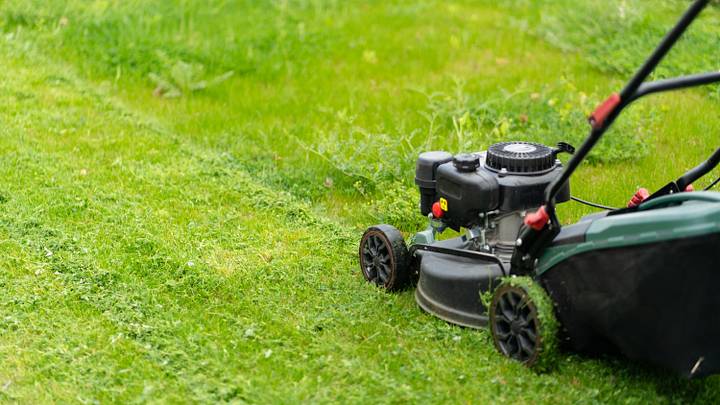
The image of a freshly manicured lawn has become a key aspect of many gardens in the modern world. That particular picture of well-cut grass in front of a suburban house is also a popular aspect of American iconography.
But where does the tradition of mowing the grass, as opposed to cutting it slightly or letting it run entirely wild, come from? Its roots actually lie on the other side of the Atlantic, where the first use of the word “lawn”, in the sense we understand it today, was in Europe in 1733. Here’s a look back at the history of taming the grass.
Lawns Began as a Luxury

The tradition goes back to the 18th century, when a well-preserved area of grass was viewed as something of a status symbol and a sign of the owner’s wealth, as only the landed gentry and the aristocracy could afford. Those who could not afford to do so often kept their grass from getting out of control by letting their animals eat the grass to keep it from growing too long.
Attitudes to grass were also connected to Enlightenment views of nature as something to be tamed and controlled. While attitudes toward the natural world would change with the Romantic era, which embraced these things instead, the idea of the lawn of one’s own home as something to be contained has endured.
The Birth of the Lawnmower

In those days, grass had to be cut by hand, sometimes with scythes for larger areas like fields. Things would change with the arrival of the first-ever mechanical lawnmower, which was invented in the early 19th century by the English engineer Edwin Beard Budding.
On August 31, 1830, a patent was filed for an object fitting the following description: “a new combination and application of machinery for the purpose of cropping or shearing the vegetable surface of lawns, grass-plats and pleasure grounds.” Budding’s creation would revolutionize lawn care. It has been said that the inventor chose to test out the lawnmower only at night while it was still a work in progress, to avoid attracting attention or mockery while it was still in development.
Ironically, despite how much his invention changed things and how widespread they are today, Budding didn't make money from his invention.
From Country Estates to Cul-de-Sacs

The rise in popularity of lawnmowing in the U.S. can be partially attributed to the period following World War II, when homeownership increased from 44% in 1940 to 62% by 1960, and led to a rise in suburbs where each house had a similar lawn out front. Being met with the sight of other people’s lawns every day led to a sense among homeowners that each lawn should be maintained to contribute to the neighborhood’s overall aesthetic, and mowing the lawn correspondingly increased as a result.
And in the 21st century, the image of the pristine lawn remains prominent in multiple walks of life. Each summer will see the annual tennis tournament at Wimbledon from late June to early July, which takes place on grass courts frequently mowed throughout the event. Grass court tennis was, of course, originally known as “lawn tennis.” So when we see those lawn-like courts, we can remember that this is the modern legacy of a tradition that stretches back hundreds of years and continues to grow stronger today.