%20%20--%3E%0A%3Csvg%20version%3D%221.1%22%20id%3D%22Layer_1%22%20xmlns%3D%22http%3A%2F%2Fwww.w3.org%2F2000%2Fsvg%22%20xmlns%3Axlink%3D%22http%3A%2F%2Fwww.w3.org%2F1999%2Fxlink%22%20x%3D%220px%22%20y%3D%220px%22%0A%09%20viewBox%3D%220%200%20684.6%2068.1%22%20style%3D%22enable-background%3Anew%200%200%20684.6%2068.1%3B%22%20xml%3Aspace%3D%22preserve%22%3E%0A%3Cg%3E%0A%09%3Cpath%20d%3D%22M444.1%2C29.3h-17.4v14.5h17.4V29.3z%20M36.4%2C68.1l29.3-50.8V0H50.4L32.9%2C36.8L15.5%2C0H0v68.1h16.7V45.8l12.4%2C22.3H36.4z%0A%09%09%20M49.1%2C68.1h16.6V23.4L49.1%2C52.1V68.1z%20M76.6%2C68.1h45V53.8H93.3V41.6h21V27.1h-21V14.8h28.3V0.1h-45V68.1z%20M175.6%2C68.1h17.3v-68%0A%09%09h-16.5v40.3L150%2C0.1h-17.6v68h16.7V27.7L175.6%2C68.1z%20M235.8%2C14.8h15.4V0.1h-47.4v14.7H219v53.2h16.8V14.8z%20M290.3%2C45.9h-17.1%0A%09%09l7.5-15.6h2L290.3%2C45.9z%20M298.7%2C68.1h18l-32.2-68h-5.7l-32%2C68h18l3.3-7.1h27.1L298.7%2C68.1z%20M325.2%2C68.1h46.2V53.8h-29.6V0.1h-16.7%0A%09%09V68.1z%20M423.7%2C14.8h27.2V0.1H407v68h16.7V14.8z%20M462%2C68.1h46.2V53.8h-29.6V0.1H462V68.1z%20M564.8%2C34.1c0%2C10.7-7.2%2C19.2-18.5%2C19.2%0A%09%09c-11.4%2C0-18.5-8.5-18.5-19.2s7.1-19.2%2C18.5-19.2C557.6%2C14.9%2C564.8%2C23.4%2C564.8%2C34.1%20M580.6%2C34.1c0-19-14.2-34-34.3-34%0A%09%09c-20.2%2C0-34.3%2C15-34.3%2C34c0%2C19%2C14.1%2C34%2C34.3%2C34C566.4%2C68.1%2C580.6%2C53.1%2C580.6%2C34.1%20M604.8%2C20.5c0-4.1%2C3.3-6.2%2C6.7-6.2%0A%09%09c4.4%2C0%2C6.6%2C3%2C6.6%2C6.6h14.7C631.8%2C9.1%2C625.1%2C0.1%2C611%2C0.1c-12%2C0-21.7%2C9.3-21.7%2C20.6c0%2C10.9%2C5.9%2C15.9%2C16.7%2C19.8%0A%09%09c5.2%2C1.8%2C11.5%2C3.2%2C11.5%2C8c0%2C3.3-2.4%2C5.5-6.4%2C5.5c-3.6%2C0-6.6-3-6.6-6.7h-15.2c0%2C11.5%2C7.9%2C20.8%2C21.8%2C20.8c12%2C0%2C21.6-9.3%2C21.6-20.6%0A%09%09c0-10-5.3-16.4-16.7-19.8C610.6%2C26.1%2C604.8%2C25.3%2C604.8%2C20.5%20M670%2C20.9h14.7C683.8%2C9.1%2C677.1%2C0.1%2C663%2C0.1c-12%2C0-21.7%2C9.3-21.7%2C20.6%0A%09%09c0%2C10.9%2C5.9%2C15.9%2C16.7%2C19.8c5.2%2C1.8%2C11.5%2C3.2%2C11.5%2C8c0%2C3.3-2.4%2C5.5-6.4%2C5.5c-3.6%2C0-6.6-3-6.6-6.7h-15.2c0%2C11.5%2C7.9%2C20.8%2C21.8%2C20.8%0A%09%09c12%2C0%2C21.6-9.3%2C21.6-20.6c0-10-5.3-16.4-16.7-19.8c-5.4-1.6-11.3-2.4-11.3-7.2c0-4.1%2C3.3-6.2%2C6.7-6.2C667.7%2C14.4%2C670%2C17.3%2C670%2C20.9%0A%09%09%22%2F%3E%0A%3C%2Fg%3E%0A%3C%2Fsvg%3E%0A)

Pop culture may sometimes be seen as a frivolous distraction, but its impact on culture is hard to overstate. Stories have been shaping human life since the dawn of time by driving cultural shifts, political changes, and much more, and pop culture is no exception to that rule; it’s just another iteration of the age-old human tradition of telling and retelling stories, and sometimes shaping our lives and societies around them.
Many ancient holidays began with stories, originating from tales of the birth (or rebirth) of various gods and goddesses or superstitions involving different seasonal shifts. Today, a new pantheon of modern holidays based on stories is also forming—and while some of these holidays are rooted in social change movements or new ideologies, other new holidays have their roots in a humbler, yet undeniably powerful, source: pop culture phenomena.
Read on to discover six new holidays that originated in modern TV shows and movies, and which are now on their way to becoming permanent fixtures on some people’s calendars.
- Galentine’s Day (February 13)
- Star Wars Day (May 4)
- Ferris Bueller Day (June 5)
- Mean Girls Day (October 3)
- Festivus (December 23)
- Chrismukkah (December 25)
Galentine’s Day (February 13)

Galentine’s Day originated with a Parks and Recreation episode in which Leslie Knope gathers some of her close female friends together on February 13, the day before Valentine’s Day. It has since become wildly popular around the world, inspiring women to gather on February 13 or sometimes on Valentine’s Day itself. Today, Galentine’s Day is a sisterhood-based alternative to a heavily commodified holiday that can sometimes trigger sadness and insecurity even in people who are in relationships.
Star Wars Day (May 4)

The creators of Star Wars may not have known that the phrase “may the force be with you” would result in a pun that would later inspire an unofficial holiday, but this is indeed what has happened. Today, it’s hard to spend a fourth day of May without seeing someone writing or speaking the phrase “may the fourth be with you.” The Force, of course, is the cosmic power that the Jedi possess in Star Wars, and “the fourth” is what “the Force” would sound like if you said that word with a lisp, if you were making a pun, or if you were celebrating Star Wars Day—or all three.
The phrase “may the fourth be with you” was actually first recorded in a May 3, 1979 advertisement purchased by England’s Conservative Party that advocated for Margaret Thatcher’s election the following day. “Dear Maggie, May the Fourth Be with You. Your Party Workers,” it read. Decades later, in 2008, Facebook groups for Star Wars fans began using the phrase and calling May 4 “Luke Skywalker Day,” and in 2011, the first organized Star Wars Day was celebrated in Toronto. Today, Star Wars Day has been officially recognized by Disney and is celebrated everywhere from Mexico to Japan.
Ferris Bueller Day (June 5)

The iconic movie Ferris Bueller’s Day Off follows Ferris Bueller (Matthew Broderick) as he skips school and has a series of wild adventures, and it all takes place on June 5. Today, some fans have turned this day into an informal holiday, with some choosing to take their own days off or to engage in various shenanigans inspired by the movie. In Chicago, where the movie takes place, this day is often celebrated with walking tours that take fans around to various locations featured in the film.
Mean Girls Day (October 3)

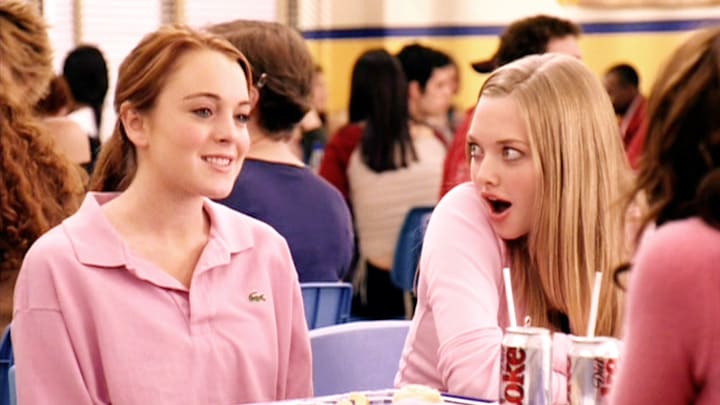
In a scene from Mean Girls that has forever imprinted itself on a certain generation’s shared cultural lexicon, Cady Heron (Lindsay Lohan)’s math class crush Aaron Samuels (Jonathan Bennett) asks her for the date. Not a date—just the date—but as anyone who has ever had a high school math class crush can understand, the request is still a big deal to Cady.
“On October 3rd, he asked me what day it was,” Lohan says in a voiceover, which then pans to a scene of Lohan telling Samuels, “It’s October 3rd.”
The scene has become iconic, like many other moments in the film—who hasn’t said “she doesn’t even go here!” upon seeing someone they don’t recognize and believe to be in the wrong place?—and because of it, many fans have adopted October 3 as Mean Girls Day.
Lohan herself has recognized the phenomenon, posting a photo of her character from the film with the caption “It’s October 3rd” on Instagram in 2021. Daniel Franzese, who played Damien in the movie, has also acknowledged the holiday. “On this #MeanGirlsDay I’m grateful for so much this film has brought into my life including great memories and friendships and constant new adventures,” he wrote in a 2017 post.
Festivus (December 23)

If you have ever grown tired of Christmas and all its consumerist pressures, Festivus might be for you. This holiday was first publicized in an episode of Seinfeld called “The Strike,” which premiered on December 18, 1997.
In the episode, George’s father Frank Costanza tells Kramer how he began celebrating Festivus years ago, after getting into a brawl with a man who beat him to purchasing a Christmas doll they both wanted for their children. “As I rained blows upon him, I realized there had to be another way… Out of that, a new holiday was born, a Festivus for the rest of us,” Frank says. In the show, Festivus is a bit of a gloomy affair, involving a family dinner where family members tell each other different ways they have disappointed each other.
The episode was actually inspired by a real tradition practiced by one of the writers and his family. The first Festivus was celebrated in 1966 by Daniel O’Keefe, Sr. and his wife, Deborah, who initially celebrated the day because it was the anniversary of their first date.
Over the years, it was revamped by O’Keefe to be a holiday that served as an alternative to Christmas—one that would honor family time together rather than Christianity or capitalism. The family’s version of Festivus involved a variety of complex traditions that differed from year to year and included everything from poetry readings to making things out of Play-Doh.
Eventually, his son, Dan O’Keefe, Jr., became a writer for Seinfeld, and his family tradition wound up being featured in an episode. The tradition struck a chord with viewers, and today the holiday is a bit of a thing—it even has its own post on the Library of Congress website, and also inspired O’Keefe, Jr. to write a book about the holiday called The Real Festivus: The True Story Behind America’s Favorite Made-up Holiday.
Today, Festivus is widely celebrated. Many people have even adopted some traditions featured in the show, such as airing grievances or purchasing and displaying a metal pole as an alternative to a Christmas tree.
Chrismukkah (December 25)

This blend of the Christian and Jewish holidays of Christmas and Hanukkah was popularized by The O.C. In the show, Seth Cohen created this holiday at the age of five as a way to merge both his parents’ faiths, and the holiday he came up with involves decorating a Hanukkah bush and wearing the “yamacaulaus,” a combination of a Santa hat and a yarmulke.
Though The O.C. popularized the term “Chrismukkah,” the two holidays have actually been blended by some for much longer. Per the Jewish Museum Berlin, Chrismukkah was originally envisioned by German Jews in the 1800s, who combined the term Hanukkah with the German word for Christmas, Weihnachten, to create Weihnukkah.