%20%20--%3E%0A%3Csvg%20version%3D%221.1%22%20id%3D%22Layer_1%22%20xmlns%3D%22http%3A%2F%2Fwww.w3.org%2F2000%2Fsvg%22%20xmlns%3Axlink%3D%22http%3A%2F%2Fwww.w3.org%2F1999%2Fxlink%22%20x%3D%220px%22%20y%3D%220px%22%0A%09%20viewBox%3D%220%200%20684.6%2068.1%22%20style%3D%22enable-background%3Anew%200%200%20684.6%2068.1%3B%22%20xml%3Aspace%3D%22preserve%22%3E%0A%3Cg%3E%0A%09%3Cpath%20d%3D%22M444.1%2C29.3h-17.4v14.5h17.4V29.3z%20M36.4%2C68.1l29.3-50.8V0H50.4L32.9%2C36.8L15.5%2C0H0v68.1h16.7V45.8l12.4%2C22.3H36.4z%0A%09%09%20M49.1%2C68.1h16.6V23.4L49.1%2C52.1V68.1z%20M76.6%2C68.1h45V53.8H93.3V41.6h21V27.1h-21V14.8h28.3V0.1h-45V68.1z%20M175.6%2C68.1h17.3v-68%0A%09%09h-16.5v40.3L150%2C0.1h-17.6v68h16.7V27.7L175.6%2C68.1z%20M235.8%2C14.8h15.4V0.1h-47.4v14.7H219v53.2h16.8V14.8z%20M290.3%2C45.9h-17.1%0A%09%09l7.5-15.6h2L290.3%2C45.9z%20M298.7%2C68.1h18l-32.2-68h-5.7l-32%2C68h18l3.3-7.1h27.1L298.7%2C68.1z%20M325.2%2C68.1h46.2V53.8h-29.6V0.1h-16.7%0A%09%09V68.1z%20M423.7%2C14.8h27.2V0.1H407v68h16.7V14.8z%20M462%2C68.1h46.2V53.8h-29.6V0.1H462V68.1z%20M564.8%2C34.1c0%2C10.7-7.2%2C19.2-18.5%2C19.2%0A%09%09c-11.4%2C0-18.5-8.5-18.5-19.2s7.1-19.2%2C18.5-19.2C557.6%2C14.9%2C564.8%2C23.4%2C564.8%2C34.1%20M580.6%2C34.1c0-19-14.2-34-34.3-34%0A%09%09c-20.2%2C0-34.3%2C15-34.3%2C34c0%2C19%2C14.1%2C34%2C34.3%2C34C566.4%2C68.1%2C580.6%2C53.1%2C580.6%2C34.1%20M604.8%2C20.5c0-4.1%2C3.3-6.2%2C6.7-6.2%0A%09%09c4.4%2C0%2C6.6%2C3%2C6.6%2C6.6h14.7C631.8%2C9.1%2C625.1%2C0.1%2C611%2C0.1c-12%2C0-21.7%2C9.3-21.7%2C20.6c0%2C10.9%2C5.9%2C15.9%2C16.7%2C19.8%0A%09%09c5.2%2C1.8%2C11.5%2C3.2%2C11.5%2C8c0%2C3.3-2.4%2C5.5-6.4%2C5.5c-3.6%2C0-6.6-3-6.6-6.7h-15.2c0%2C11.5%2C7.9%2C20.8%2C21.8%2C20.8c12%2C0%2C21.6-9.3%2C21.6-20.6%0A%09%09c0-10-5.3-16.4-16.7-19.8C610.6%2C26.1%2C604.8%2C25.3%2C604.8%2C20.5%20M670%2C20.9h14.7C683.8%2C9.1%2C677.1%2C0.1%2C663%2C0.1c-12%2C0-21.7%2C9.3-21.7%2C20.6%0A%09%09c0%2C10.9%2C5.9%2C15.9%2C16.7%2C19.8c5.2%2C1.8%2C11.5%2C3.2%2C11.5%2C8c0%2C3.3-2.4%2C5.5-6.4%2C5.5c-3.6%2C0-6.6-3-6.6-6.7h-15.2c0%2C11.5%2C7.9%2C20.8%2C21.8%2C20.8%0A%09%09c12%2C0%2C21.6-9.3%2C21.6-20.6c0-10-5.3-16.4-16.7-19.8c-5.4-1.6-11.3-2.4-11.3-7.2c0-4.1%2C3.3-6.2%2C6.7-6.2C667.7%2C14.4%2C670%2C17.3%2C670%2C20.9%0A%09%09%22%2F%3E%0A%3C%2Fg%3E%0A%3C%2Fsvg%3E%0A)

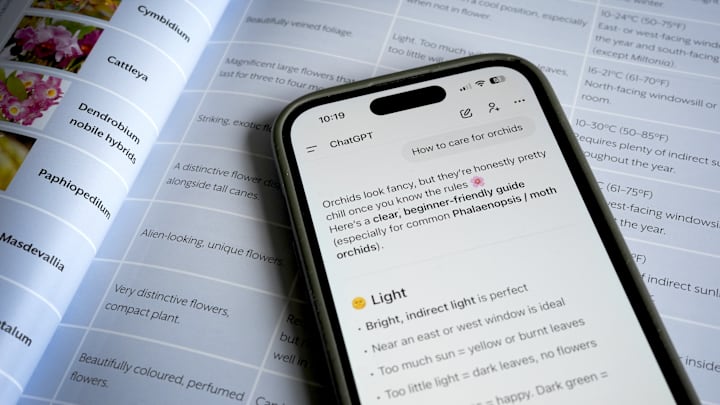
As one of the earliest generative artificial intelligence chatbots to gain mainstream popularity, ChatGPT has sparked countless controversies and questions about everything from the future of work to the ethics and accuracy of AI.
However, even if you’re a regular user, you may not know what GPT means. It turns out that the individual letters in this acronym contain insights into how AI functions overall, so read on to discover a little bit more about what, exactly, ChatGPT is doing when it spews out its em-dash-filled, sometimes error-ridden responses.
What Does the “G” in “GPT” Stand For?

The “G” in GPT stands for “generative.” This term refers to the fact that this AI system actually creates new text and content as opposed to simply analyzing it. Generative AI is a specific type of artificial intelligence that relies on deep learning processes inspired by neural networks in the human brain, and produces new output in response to questions.
What Does the “P” in “GPT” Stand For?

The “P” in GPT stands for “pre-trained.” This refers to the fact that ChatGPT was originally trained on a huge amount of data before it was released to the public. Pre-trained AI models are generally trained on massive amounts of text drawn from gigantic databases like Wikipedia and publicly available sources.
ChatGPT, specifically, was trained on a huge dataset called OpenCrawl, which is a set of billions of webpages collected since 2008, as well as other sources. After this, pre-trained AI is further refined through human-generated feedback and other refinement processes. This means that the AI can learn much faster than if it was being trained by humans, but it may inherit biases or inaccuracies from the sources it learns from.
What Does the “T” Stand For in “GPT”?

The “T” in GPT stands for “transformer,” which is a type of digital neural network that allows the platform to transform a query into a response. In essence, transformers turn texts into tokens that are converted into vectors. These are then put into a mechanism that weights the importance of each token, prioritizes important information, and helps the AI model determine how to respond—to put it very simply.
In general, GPTs are types of large language models (LLMs), which use deep learning and neural networks to learn to communicate from huge amounts of data.
How Did ChatGPT Get Its Name?

Apparently, the name ChatGPT was a very last-minute decision. In a 2025 episode of the OpenAI podcast, OpenAI Chief Research Officer Mark Chen and Head of ChatGPT Nick Turley explained that they settled on the name the day before their product was set to go public.
Originally, they had been calling their creation “Chat with GPT-3.5,” but in a meeting among team members shortly before the 2022 launch, they decided they needed something simpler. They wound up settling on ChatGPT, which has clearly stuck around.