%20%20--%3E%0A%3Csvg%20version%3D%221.1%22%20id%3D%22Layer_1%22%20xmlns%3D%22http%3A%2F%2Fwww.w3.org%2F2000%2Fsvg%22%20xmlns%3Axlink%3D%22http%3A%2F%2Fwww.w3.org%2F1999%2Fxlink%22%20x%3D%220px%22%20y%3D%220px%22%0A%09%20viewBox%3D%220%200%20684.6%2068.1%22%20style%3D%22enable-background%3Anew%200%200%20684.6%2068.1%3B%22%20xml%3Aspace%3D%22preserve%22%3E%0A%3Cg%3E%0A%09%3Cpath%20d%3D%22M444.1%2C29.3h-17.4v14.5h17.4V29.3z%20M36.4%2C68.1l29.3-50.8V0H50.4L32.9%2C36.8L15.5%2C0H0v68.1h16.7V45.8l12.4%2C22.3H36.4z%0A%09%09%20M49.1%2C68.1h16.6V23.4L49.1%2C52.1V68.1z%20M76.6%2C68.1h45V53.8H93.3V41.6h21V27.1h-21V14.8h28.3V0.1h-45V68.1z%20M175.6%2C68.1h17.3v-68%0A%09%09h-16.5v40.3L150%2C0.1h-17.6v68h16.7V27.7L175.6%2C68.1z%20M235.8%2C14.8h15.4V0.1h-47.4v14.7H219v53.2h16.8V14.8z%20M290.3%2C45.9h-17.1%0A%09%09l7.5-15.6h2L290.3%2C45.9z%20M298.7%2C68.1h18l-32.2-68h-5.7l-32%2C68h18l3.3-7.1h27.1L298.7%2C68.1z%20M325.2%2C68.1h46.2V53.8h-29.6V0.1h-16.7%0A%09%09V68.1z%20M423.7%2C14.8h27.2V0.1H407v68h16.7V14.8z%20M462%2C68.1h46.2V53.8h-29.6V0.1H462V68.1z%20M564.8%2C34.1c0%2C10.7-7.2%2C19.2-18.5%2C19.2%0A%09%09c-11.4%2C0-18.5-8.5-18.5-19.2s7.1-19.2%2C18.5-19.2C557.6%2C14.9%2C564.8%2C23.4%2C564.8%2C34.1%20M580.6%2C34.1c0-19-14.2-34-34.3-34%0A%09%09c-20.2%2C0-34.3%2C15-34.3%2C34c0%2C19%2C14.1%2C34%2C34.3%2C34C566.4%2C68.1%2C580.6%2C53.1%2C580.6%2C34.1%20M604.8%2C20.5c0-4.1%2C3.3-6.2%2C6.7-6.2%0A%09%09c4.4%2C0%2C6.6%2C3%2C6.6%2C6.6h14.7C631.8%2C9.1%2C625.1%2C0.1%2C611%2C0.1c-12%2C0-21.7%2C9.3-21.7%2C20.6c0%2C10.9%2C5.9%2C15.9%2C16.7%2C19.8%0A%09%09c5.2%2C1.8%2C11.5%2C3.2%2C11.5%2C8c0%2C3.3-2.4%2C5.5-6.4%2C5.5c-3.6%2C0-6.6-3-6.6-6.7h-15.2c0%2C11.5%2C7.9%2C20.8%2C21.8%2C20.8c12%2C0%2C21.6-9.3%2C21.6-20.6%0A%09%09c0-10-5.3-16.4-16.7-19.8C610.6%2C26.1%2C604.8%2C25.3%2C604.8%2C20.5%20M670%2C20.9h14.7C683.8%2C9.1%2C677.1%2C0.1%2C663%2C0.1c-12%2C0-21.7%2C9.3-21.7%2C20.6%0A%09%09c0%2C10.9%2C5.9%2C15.9%2C16.7%2C19.8c5.2%2C1.8%2C11.5%2C3.2%2C11.5%2C8c0%2C3.3-2.4%2C5.5-6.4%2C5.5c-3.6%2C0-6.6-3-6.6-6.7h-15.2c0%2C11.5%2C7.9%2C20.8%2C21.8%2C20.8%0A%09%09c12%2C0%2C21.6-9.3%2C21.6-20.6c0-10-5.3-16.4-16.7-19.8c-5.4-1.6-11.3-2.4-11.3-7.2c0-4.1%2C3.3-6.2%2C6.7-6.2C667.7%2C14.4%2C670%2C17.3%2C670%2C20.9%0A%09%09%22%2F%3E%0A%3C%2Fg%3E%0A%3C%2Fsvg%3E%0A)

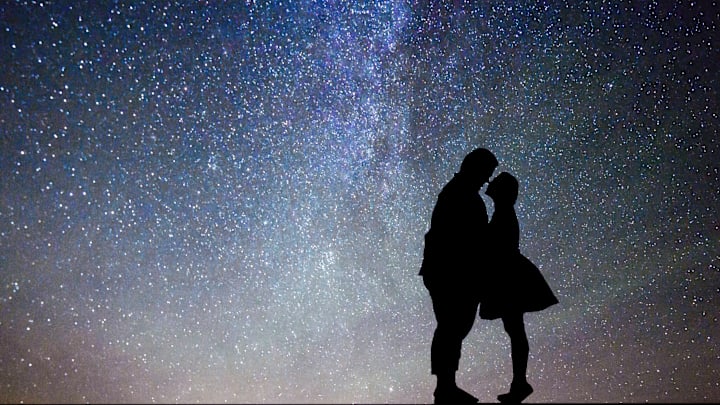
Shakespeare’s writing has contributed scores of phrases to our language over the centuries, as various lines and coinages lifted from his work have slipped into everyday use. Everything from our salad days to finally shuffling off this mortal coil can be traced back to him and his work—and our reference to a pair of star-crossed lovers is yet another of his best-known inventions.
Doomed From the Start

The phrase originates in the prologue to Shakespeare’s Romeo and Juliet. In the original script, this introductory passage is delivered to the audience by the Chorus (which, despite how it might sound, was, by Shakespeare’s time, typically a single performer who essentially acts as a narrator). Romeo and Juliet’s prologue is actually a classic 14-line Shakespearean sonnet, in which he outlines the play’s setting (“In fair Verona, where we lay our scene”), the background to the two warring families that will feature in it (“Two households, both alike in dignity … / From ancient grudge break to new mutiny”), and even that the play’s pair of romantic leads will die by the end of it (“A pair of star-crossed lovers take their life”).
Revealing the dramatic ending to your play in literally the sixth line of the script might seem like a bit of a spoiler to modern eyes and ears, admittedly. But by doing so, Shakespeare ingeniously darkens the audience’s expectations from the outset, and makes it clear that despite the events they are about to see, the two characters that they are about to watch fall in love are already destined to die. Seeing the play knowing the unavoidable direction in which these two blissfully unaware lovebirds are heading, ultimately makes for a far more uneasy and tragic experience.
Written in the Stars

But what exactly does Shakespeare mean when he calls Romeo and Juliet “star-crossed”? Well, it is the fact that they are pre-destined to be doomed that is Shakespeare’s point.
Back in Elizabethan times—a century or so before the Scientific Revolution that debunked the notion that the Earth was the center of the universe—people were far more convinced than they are today that the astrological action of the stars and planets could influence people’s lives. Astrology and astronomy were ultimately seen as one and the same, considered sciences of the heavens and equally true. As a result, the position of the stars on certain dates was said to have considerable bearing on how well- or ill-fated that day would be. Even Queen Elizabeth herself is known to have consulted the greatest astrologer of the time, Sir John Dee, when choosing the date of her coronation in 1558, and to have believed the magical forecasts he made about her reign based on that date.
Astrology and the stars were therefore hugely important factors in Elizabethan life; Shakespeare himself makes references to the portentous position of the heavens in every single one of his plays. Describing Romeo and Juliet as “star-crossed” lovers, consequently, tells the audience that their doomed fates are not only being driven by the action of the play, but have been astrologically predestined by fate itself—giving us a line that would have sounded particularly ominous in an era when beliefs like this held even more water than they do today, as well as a phrase that has remained in use ever since.