%20%20--%3E%0A%3Csvg%20version%3D%221.1%22%20id%3D%22Layer_1%22%20xmlns%3D%22http%3A%2F%2Fwww.w3.org%2F2000%2Fsvg%22%20xmlns%3Axlink%3D%22http%3A%2F%2Fwww.w3.org%2F1999%2Fxlink%22%20x%3D%220px%22%20y%3D%220px%22%0A%09%20viewBox%3D%220%200%20684.6%2068.1%22%20style%3D%22enable-background%3Anew%200%200%20684.6%2068.1%3B%22%20xml%3Aspace%3D%22preserve%22%3E%0A%3Cg%3E%0A%09%3Cpath%20d%3D%22M444.1%2C29.3h-17.4v14.5h17.4V29.3z%20M36.4%2C68.1l29.3-50.8V0H50.4L32.9%2C36.8L15.5%2C0H0v68.1h16.7V45.8l12.4%2C22.3H36.4z%0A%09%09%20M49.1%2C68.1h16.6V23.4L49.1%2C52.1V68.1z%20M76.6%2C68.1h45V53.8H93.3V41.6h21V27.1h-21V14.8h28.3V0.1h-45V68.1z%20M175.6%2C68.1h17.3v-68%0A%09%09h-16.5v40.3L150%2C0.1h-17.6v68h16.7V27.7L175.6%2C68.1z%20M235.8%2C14.8h15.4V0.1h-47.4v14.7H219v53.2h16.8V14.8z%20M290.3%2C45.9h-17.1%0A%09%09l7.5-15.6h2L290.3%2C45.9z%20M298.7%2C68.1h18l-32.2-68h-5.7l-32%2C68h18l3.3-7.1h27.1L298.7%2C68.1z%20M325.2%2C68.1h46.2V53.8h-29.6V0.1h-16.7%0A%09%09V68.1z%20M423.7%2C14.8h27.2V0.1H407v68h16.7V14.8z%20M462%2C68.1h46.2V53.8h-29.6V0.1H462V68.1z%20M564.8%2C34.1c0%2C10.7-7.2%2C19.2-18.5%2C19.2%0A%09%09c-11.4%2C0-18.5-8.5-18.5-19.2s7.1-19.2%2C18.5-19.2C557.6%2C14.9%2C564.8%2C23.4%2C564.8%2C34.1%20M580.6%2C34.1c0-19-14.2-34-34.3-34%0A%09%09c-20.2%2C0-34.3%2C15-34.3%2C34c0%2C19%2C14.1%2C34%2C34.3%2C34C566.4%2C68.1%2C580.6%2C53.1%2C580.6%2C34.1%20M604.8%2C20.5c0-4.1%2C3.3-6.2%2C6.7-6.2%0A%09%09c4.4%2C0%2C6.6%2C3%2C6.6%2C6.6h14.7C631.8%2C9.1%2C625.1%2C0.1%2C611%2C0.1c-12%2C0-21.7%2C9.3-21.7%2C20.6c0%2C10.9%2C5.9%2C15.9%2C16.7%2C19.8%0A%09%09c5.2%2C1.8%2C11.5%2C3.2%2C11.5%2C8c0%2C3.3-2.4%2C5.5-6.4%2C5.5c-3.6%2C0-6.6-3-6.6-6.7h-15.2c0%2C11.5%2C7.9%2C20.8%2C21.8%2C20.8c12%2C0%2C21.6-9.3%2C21.6-20.6%0A%09%09c0-10-5.3-16.4-16.7-19.8C610.6%2C26.1%2C604.8%2C25.3%2C604.8%2C20.5%20M670%2C20.9h14.7C683.8%2C9.1%2C677.1%2C0.1%2C663%2C0.1c-12%2C0-21.7%2C9.3-21.7%2C20.6%0A%09%09c0%2C10.9%2C5.9%2C15.9%2C16.7%2C19.8c5.2%2C1.8%2C11.5%2C3.2%2C11.5%2C8c0%2C3.3-2.4%2C5.5-6.4%2C5.5c-3.6%2C0-6.6-3-6.6-6.7h-15.2c0%2C11.5%2C7.9%2C20.8%2C21.8%2C20.8%0A%09%09c12%2C0%2C21.6-9.3%2C21.6-20.6c0-10-5.3-16.4-16.7-19.8c-5.4-1.6-11.3-2.4-11.3-7.2c0-4.1%2C3.3-6.2%2C6.7-6.2C667.7%2C14.4%2C670%2C17.3%2C670%2C20.9%0A%09%09%22%2F%3E%0A%3C%2Fg%3E%0A%3C%2Fsvg%3E%0A)

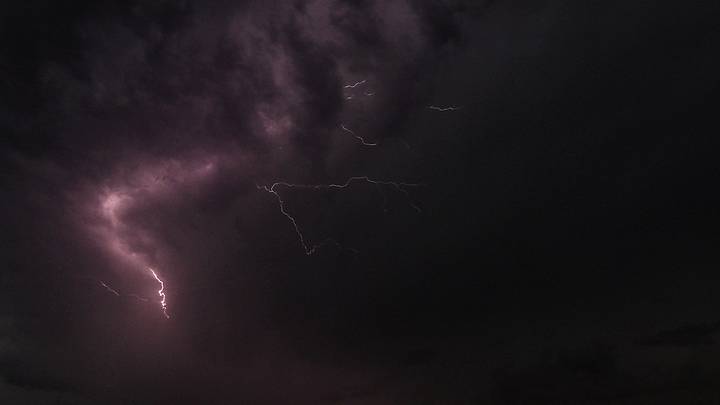
In any language, you'll find certain phrases or idioms that cannot be directly translated. They just don't make sense outside of their original language and culture. That's part of what makes languages so difficult to learn for non-native speakers. If you take most of our English sayings literally, it's easy to understand why people would be confused by them.
When we say that you "stole someone's thunder," we're not talking about anyone actually taking a sound. How would anyone own thunder for it to be stolen in the first place? But the history behind the phrase "stealing someone's thunder" helps explain the meaning of the idiom and how it came to be a common expression.
What does it mean if someone "steals your thunder"?

If someone "steals your thunder," they are taking away attention or praise that should have gone to you. Ever had a great idea that, when you shared it at work or in a group of friends, no one acknowledged? And then, just moments later, someone else says the exact same thing, and they get the credit for the idea? The person who received the credit for your idea just stole your thunder.
Another example of stealing someone's thunder is when one family member always cuts you off when you're sharing good news. For example, say you try to plan a cute way of telling your parents that they're going to be grandparents, but during the big reveal, your sister jumps in, announcing that she just got engaged. The special moment that was stolen from you was the "thunder."
How "thunder" came to be associated with positive attention

How did thunder become the symbol for attention and good news? Despite the literal meaning of the word "thunder," the origins of the expression "steal your thunder" actually have nothing to do with the weather. It actually comes from theater—specifically, the Theatre Royal on Drury Lane in London, England.
In 1709, literary critic and playwright John Dennis created a machine that mimicked the sound of thunder. Dennis used his "thunder machine" to add the sound effect to his play, Appius and Virginia, which was staged at the Theatre Royal. The machine, which reportedly consisted of sheets of metal that could be rattled to produce the desired sound, was revolutionary for the time. Appius and Virginia, however, was a flop. Dennis's play was withdrawn, and a fan favorite, Shakespeare's Macbeth, replaced it. But Dennis was furious to learn that the Theatre Royal continued to use his thunder machine without his permission.

John Dennis happened to see Macbeth at the Theatre Royal and became absolutely livid when he heard the sound of thunder from the stage. As reported by authors Robert Shiels and Theophilus Cibber, Dennis cried out in the middle of the performance, "That is my thunder by God; the villains will play my thunder, but not my plays."
As the story of Dennis's outburst spread, the exact wording changed to something along the lines of: "They will not run my play, but they steal my thunder." England's gossip chain made sure the incident was known far and wide, and with it, the phrase "steal my thunder" was introduced into the lexicon.
In a sense, the thunder that was the basis for the idiom "stealing someone's thunder" was initially used literally rather than figuratively. John Dennis had physically been robbed of his invention. But stealing someone's thunder is certainly a poetic way to express annoyance that someone has stolen your moment in the spotlight, so its figurative meaning stuck.