%20%20--%3E%0A%3Csvg%20version%3D%221.1%22%20id%3D%22Layer_1%22%20xmlns%3D%22http%3A%2F%2Fwww.w3.org%2F2000%2Fsvg%22%20xmlns%3Axlink%3D%22http%3A%2F%2Fwww.w3.org%2F1999%2Fxlink%22%20x%3D%220px%22%20y%3D%220px%22%0A%09%20viewBox%3D%220%200%20684.6%2068.1%22%20style%3D%22enable-background%3Anew%200%200%20684.6%2068.1%3B%22%20xml%3Aspace%3D%22preserve%22%3E%0A%3Cg%3E%0A%09%3Cpath%20d%3D%22M444.1%2C29.3h-17.4v14.5h17.4V29.3z%20M36.4%2C68.1l29.3-50.8V0H50.4L32.9%2C36.8L15.5%2C0H0v68.1h16.7V45.8l12.4%2C22.3H36.4z%0A%09%09%20M49.1%2C68.1h16.6V23.4L49.1%2C52.1V68.1z%20M76.6%2C68.1h45V53.8H93.3V41.6h21V27.1h-21V14.8h28.3V0.1h-45V68.1z%20M175.6%2C68.1h17.3v-68%0A%09%09h-16.5v40.3L150%2C0.1h-17.6v68h16.7V27.7L175.6%2C68.1z%20M235.8%2C14.8h15.4V0.1h-47.4v14.7H219v53.2h16.8V14.8z%20M290.3%2C45.9h-17.1%0A%09%09l7.5-15.6h2L290.3%2C45.9z%20M298.7%2C68.1h18l-32.2-68h-5.7l-32%2C68h18l3.3-7.1h27.1L298.7%2C68.1z%20M325.2%2C68.1h46.2V53.8h-29.6V0.1h-16.7%0A%09%09V68.1z%20M423.7%2C14.8h27.2V0.1H407v68h16.7V14.8z%20M462%2C68.1h46.2V53.8h-29.6V0.1H462V68.1z%20M564.8%2C34.1c0%2C10.7-7.2%2C19.2-18.5%2C19.2%0A%09%09c-11.4%2C0-18.5-8.5-18.5-19.2s7.1-19.2%2C18.5-19.2C557.6%2C14.9%2C564.8%2C23.4%2C564.8%2C34.1%20M580.6%2C34.1c0-19-14.2-34-34.3-34%0A%09%09c-20.2%2C0-34.3%2C15-34.3%2C34c0%2C19%2C14.1%2C34%2C34.3%2C34C566.4%2C68.1%2C580.6%2C53.1%2C580.6%2C34.1%20M604.8%2C20.5c0-4.1%2C3.3-6.2%2C6.7-6.2%0A%09%09c4.4%2C0%2C6.6%2C3%2C6.6%2C6.6h14.7C631.8%2C9.1%2C625.1%2C0.1%2C611%2C0.1c-12%2C0-21.7%2C9.3-21.7%2C20.6c0%2C10.9%2C5.9%2C15.9%2C16.7%2C19.8%0A%09%09c5.2%2C1.8%2C11.5%2C3.2%2C11.5%2C8c0%2C3.3-2.4%2C5.5-6.4%2C5.5c-3.6%2C0-6.6-3-6.6-6.7h-15.2c0%2C11.5%2C7.9%2C20.8%2C21.8%2C20.8c12%2C0%2C21.6-9.3%2C21.6-20.6%0A%09%09c0-10-5.3-16.4-16.7-19.8C610.6%2C26.1%2C604.8%2C25.3%2C604.8%2C20.5%20M670%2C20.9h14.7C683.8%2C9.1%2C677.1%2C0.1%2C663%2C0.1c-12%2C0-21.7%2C9.3-21.7%2C20.6%0A%09%09c0%2C10.9%2C5.9%2C15.9%2C16.7%2C19.8c5.2%2C1.8%2C11.5%2C3.2%2C11.5%2C8c0%2C3.3-2.4%2C5.5-6.4%2C5.5c-3.6%2C0-6.6-3-6.6-6.7h-15.2c0%2C11.5%2C7.9%2C20.8%2C21.8%2C20.8%0A%09%09c12%2C0%2C21.6-9.3%2C21.6-20.6c0-10-5.3-16.4-16.7-19.8c-5.4-1.6-11.3-2.4-11.3-7.2c0-4.1%2C3.3-6.2%2C6.7-6.2C667.7%2C14.4%2C670%2C17.3%2C670%2C20.9%0A%09%09%22%2F%3E%0A%3C%2Fg%3E%0A%3C%2Fsvg%3E%0A)

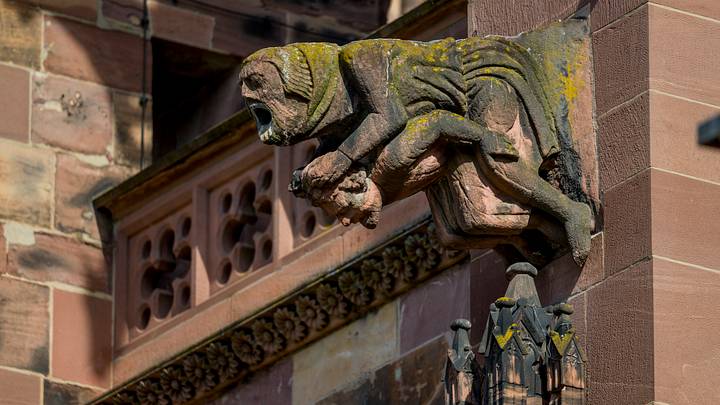
The term “Gothic” has been applied to a number of different things over the centuries, as shown by the range of definitions which the Cambridge English Dictionary lists for the word. It's used in relation to architecture (referring to medieval buildings with pointed arches and high ceilings), literature and film (describing strange or spooky stories), and lifestyle (associated with the subculture known for dark clothing and even darker music).
It’s only further down the list of definitions that we discover the historical source of the term: “relating or belonging to the Goths, a group of Germanic peoples (= people who lived in northern Europe from ancient times until the early Middle Ages) who fought against the Romans.” And it’s due to the Goths, the people from whom the term derives, that the word “Gothic” was originally meant in a derogatory way. Here’s the story behind the historical use of this term and why it was originally meant as an insult.
A Renaissance Insult Is Born

The Goths played a notable role in the downfall of the Roman Empire, which led to the historical period known as the Middle Ages. During the Italian Renaissance, often considered to have begun in the 14th century, artists, architects, historians and scholars began to rediscover and celebrate the legacy of Ancient Rome, which also created resentment towards those who helped bring about its decline.
The Goths were frequently characterized as “barbarians” who had destroyed what had come before them, a point made numerous times by the art historian Giorgio Vasari in his biographical anthology Lives of the Most Eminent Painters Sculptors and Architects, better known by its alternative title Lives of the Artists. It was in this work that Vasari coined the expression “the Gothic”, using the term dei Gotthi to refer to this concept: “Then arose new architects who after the manner of their barbarous nations erected buildings in that style which we call Gothic (dei Gotthi).”
From Barbaric Slur to Romantic Revival

By the 1610s, the term had transitioned into the English language, when “Gothic” was first recorded as having been used to refer to things associated with the Goths as a people. As the Goths had been Germanic, during the course of the 17th century the use of the term gradually evolved to refer to other things associated with the Germanic, even things which had no connection with the Goths themselves.
By the late 18th century, however, writers of the Romantic era began to reclaim the term. The negative connotations were finally shed during the mid-19th-century awakening of interest in medieval aesthetics, known as the “Gothic Revival.”
Today, “Gothic” can be used in relation to many different things, as seen from the multiple dictionary definitions of the word. But it has now been definitively shorn of its negative connotations. Describing something as “Gothic” can mean one of several things, but thankfully it’s no longer a way to insult what is being described.