%20%20--%3E%0A%3Csvg%20version%3D%221.1%22%20id%3D%22Layer_1%22%20xmlns%3D%22http%3A%2F%2Fwww.w3.org%2F2000%2Fsvg%22%20xmlns%3Axlink%3D%22http%3A%2F%2Fwww.w3.org%2F1999%2Fxlink%22%20x%3D%220px%22%20y%3D%220px%22%0A%09%20viewBox%3D%220%200%20684.6%2068.1%22%20style%3D%22enable-background%3Anew%200%200%20684.6%2068.1%3B%22%20xml%3Aspace%3D%22preserve%22%3E%0A%3Cg%3E%0A%09%3Cpath%20d%3D%22M444.1%2C29.3h-17.4v14.5h17.4V29.3z%20M36.4%2C68.1l29.3-50.8V0H50.4L32.9%2C36.8L15.5%2C0H0v68.1h16.7V45.8l12.4%2C22.3H36.4z%0A%09%09%20M49.1%2C68.1h16.6V23.4L49.1%2C52.1V68.1z%20M76.6%2C68.1h45V53.8H93.3V41.6h21V27.1h-21V14.8h28.3V0.1h-45V68.1z%20M175.6%2C68.1h17.3v-68%0A%09%09h-16.5v40.3L150%2C0.1h-17.6v68h16.7V27.7L175.6%2C68.1z%20M235.8%2C14.8h15.4V0.1h-47.4v14.7H219v53.2h16.8V14.8z%20M290.3%2C45.9h-17.1%0A%09%09l7.5-15.6h2L290.3%2C45.9z%20M298.7%2C68.1h18l-32.2-68h-5.7l-32%2C68h18l3.3-7.1h27.1L298.7%2C68.1z%20M325.2%2C68.1h46.2V53.8h-29.6V0.1h-16.7%0A%09%09V68.1z%20M423.7%2C14.8h27.2V0.1H407v68h16.7V14.8z%20M462%2C68.1h46.2V53.8h-29.6V0.1H462V68.1z%20M564.8%2C34.1c0%2C10.7-7.2%2C19.2-18.5%2C19.2%0A%09%09c-11.4%2C0-18.5-8.5-18.5-19.2s7.1-19.2%2C18.5-19.2C557.6%2C14.9%2C564.8%2C23.4%2C564.8%2C34.1%20M580.6%2C34.1c0-19-14.2-34-34.3-34%0A%09%09c-20.2%2C0-34.3%2C15-34.3%2C34c0%2C19%2C14.1%2C34%2C34.3%2C34C566.4%2C68.1%2C580.6%2C53.1%2C580.6%2C34.1%20M604.8%2C20.5c0-4.1%2C3.3-6.2%2C6.7-6.2%0A%09%09c4.4%2C0%2C6.6%2C3%2C6.6%2C6.6h14.7C631.8%2C9.1%2C625.1%2C0.1%2C611%2C0.1c-12%2C0-21.7%2C9.3-21.7%2C20.6c0%2C10.9%2C5.9%2C15.9%2C16.7%2C19.8%0A%09%09c5.2%2C1.8%2C11.5%2C3.2%2C11.5%2C8c0%2C3.3-2.4%2C5.5-6.4%2C5.5c-3.6%2C0-6.6-3-6.6-6.7h-15.2c0%2C11.5%2C7.9%2C20.8%2C21.8%2C20.8c12%2C0%2C21.6-9.3%2C21.6-20.6%0A%09%09c0-10-5.3-16.4-16.7-19.8C610.6%2C26.1%2C604.8%2C25.3%2C604.8%2C20.5%20M670%2C20.9h14.7C683.8%2C9.1%2C677.1%2C0.1%2C663%2C0.1c-12%2C0-21.7%2C9.3-21.7%2C20.6%0A%09%09c0%2C10.9%2C5.9%2C15.9%2C16.7%2C19.8c5.2%2C1.8%2C11.5%2C3.2%2C11.5%2C8c0%2C3.3-2.4%2C5.5-6.4%2C5.5c-3.6%2C0-6.6-3-6.6-6.7h-15.2c0%2C11.5%2C7.9%2C20.8%2C21.8%2C20.8%0A%09%09c12%2C0%2C21.6-9.3%2C21.6-20.6c0-10-5.3-16.4-16.7-19.8c-5.4-1.6-11.3-2.4-11.3-7.2c0-4.1%2C3.3-6.2%2C6.7-6.2C667.7%2C14.4%2C670%2C17.3%2C670%2C20.9%0A%09%09%22%2F%3E%0A%3C%2Fg%3E%0A%3C%2Fsvg%3E%0A)

Long before social media made it trendy to be anonymous, some of the greatest voices in literature published their work under a completely different name.
Why? In a world where female authors were often dismissed and underestimated, adopting a pseudonym was a career strategy. Reviews could be condescending, publishers skeptical, and readers biased before they even glanced at the first chapter.
So, a few of history's sharpest females picked themselves up, put a man's name on the cover, and got on with it.
Let’s flip the page and take a closer look at the remarkable journeys of several brilliant authors who proved that talent transcends whatever gender appears under the title.
MARY ANN EVANS AND ELIZABETH GASKELL

If your goal was to publish daring and intellectually complex novels in the 1800s, a male pen name was your cheat code. Mary Ann Evans understood this. Writing as George Eliot, she published novels with themes encompassing morality, psychology, and society, which stunned readers. Middlemarch not only succeeded, but it went on to become one of the most respected novels in literary history. The alias was assurance that critics would focus on the content of her work rather than her gender.
Elizabeth Gaskell also briefly tested this strategy, publishing her early work (Mary Barton, North and South) under the name Cotton Mather Mills. Although she eventually revealed her identity, the pseudonym was Gaskell’s way of opening doors during an era that silenced women’s voices on social issues.
THE BRONTË (BELL) SISTERS (BROTHERS)

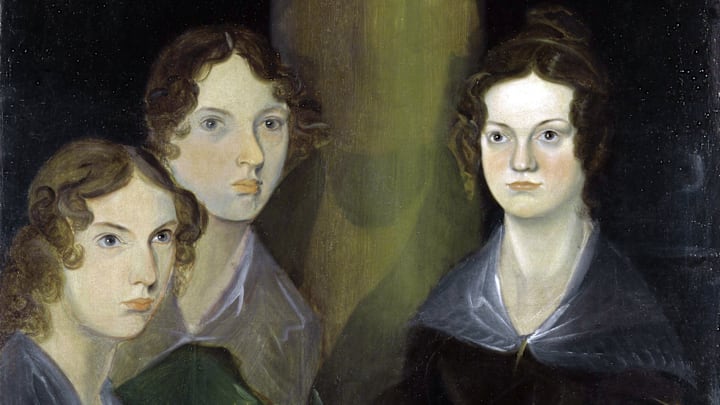
Charlotte, Emily, and Ann Brontë didn't just pick random male pen names out of a hat; they chose matching ones. As Currer, Ellis, and Acton Bell, the sisters published their poetry and prose without giving away their gender. Their reasoning? They suspected women writers were judged unfairly, and they weren't wrong.
Under those names came Jane Eyre, Wuthering Heights, and Agnes Grey, leaving a permanent mark on literature. When the reality of their identity became public, it was clear that their experiment had paid off, as their novels were already widely recognized and respected.
LOUISA MAY ALCOTT AND AMANDINE LUCIE AURORE DUPIN

For some writers, a male alias wasn't just about being respected; it was about freedom. Louisa May Alcott, famous for creating the wholesome world of Little Women, also had an affinity for edgier fiction. Under the name A M Bernard, she wrote thrillers filled with passion and secrets that didn't match her public image. The pseudonym let her be as inventive as she desired without confusing readers who expected more traditional tales.
Meanwhile, in France, George Sand (Amandine Lucie Aurore Dupin), the mind behind Indiana, adopted a male name that matched her unconventional life. Socializing, writing, and even dressing outside of expected norms, Dupin used her pen name as both a statement and a shield.
THE LAST WORD

These literary luminaries didn’t want to disappear; they wanted to be heard. Their pen names were tools, not disguises, used to bypass societal boundaries that stifled their abilities. Today, we honor their true identities and courageous spirits through the works they gifted the world, knowing that their voices continue to inspire change.