%20%20--%3E%0A%3Csvg%20version%3D%221.1%22%20id%3D%22Layer_1%22%20xmlns%3D%22http%3A%2F%2Fwww.w3.org%2F2000%2Fsvg%22%20xmlns%3Axlink%3D%22http%3A%2F%2Fwww.w3.org%2F1999%2Fxlink%22%20x%3D%220px%22%20y%3D%220px%22%0A%09%20viewBox%3D%220%200%20684.6%2068.1%22%20style%3D%22enable-background%3Anew%200%200%20684.6%2068.1%3B%22%20xml%3Aspace%3D%22preserve%22%3E%0A%3Cg%3E%0A%09%3Cpath%20d%3D%22M444.1%2C29.3h-17.4v14.5h17.4V29.3z%20M36.4%2C68.1l29.3-50.8V0H50.4L32.9%2C36.8L15.5%2C0H0v68.1h16.7V45.8l12.4%2C22.3H36.4z%0A%09%09%20M49.1%2C68.1h16.6V23.4L49.1%2C52.1V68.1z%20M76.6%2C68.1h45V53.8H93.3V41.6h21V27.1h-21V14.8h28.3V0.1h-45V68.1z%20M175.6%2C68.1h17.3v-68%0A%09%09h-16.5v40.3L150%2C0.1h-17.6v68h16.7V27.7L175.6%2C68.1z%20M235.8%2C14.8h15.4V0.1h-47.4v14.7H219v53.2h16.8V14.8z%20M290.3%2C45.9h-17.1%0A%09%09l7.5-15.6h2L290.3%2C45.9z%20M298.7%2C68.1h18l-32.2-68h-5.7l-32%2C68h18l3.3-7.1h27.1L298.7%2C68.1z%20M325.2%2C68.1h46.2V53.8h-29.6V0.1h-16.7%0A%09%09V68.1z%20M423.7%2C14.8h27.2V0.1H407v68h16.7V14.8z%20M462%2C68.1h46.2V53.8h-29.6V0.1H462V68.1z%20M564.8%2C34.1c0%2C10.7-7.2%2C19.2-18.5%2C19.2%0A%09%09c-11.4%2C0-18.5-8.5-18.5-19.2s7.1-19.2%2C18.5-19.2C557.6%2C14.9%2C564.8%2C23.4%2C564.8%2C34.1%20M580.6%2C34.1c0-19-14.2-34-34.3-34%0A%09%09c-20.2%2C0-34.3%2C15-34.3%2C34c0%2C19%2C14.1%2C34%2C34.3%2C34C566.4%2C68.1%2C580.6%2C53.1%2C580.6%2C34.1%20M604.8%2C20.5c0-4.1%2C3.3-6.2%2C6.7-6.2%0A%09%09c4.4%2C0%2C6.6%2C3%2C6.6%2C6.6h14.7C631.8%2C9.1%2C625.1%2C0.1%2C611%2C0.1c-12%2C0-21.7%2C9.3-21.7%2C20.6c0%2C10.9%2C5.9%2C15.9%2C16.7%2C19.8%0A%09%09c5.2%2C1.8%2C11.5%2C3.2%2C11.5%2C8c0%2C3.3-2.4%2C5.5-6.4%2C5.5c-3.6%2C0-6.6-3-6.6-6.7h-15.2c0%2C11.5%2C7.9%2C20.8%2C21.8%2C20.8c12%2C0%2C21.6-9.3%2C21.6-20.6%0A%09%09c0-10-5.3-16.4-16.7-19.8C610.6%2C26.1%2C604.8%2C25.3%2C604.8%2C20.5%20M670%2C20.9h14.7C683.8%2C9.1%2C677.1%2C0.1%2C663%2C0.1c-12%2C0-21.7%2C9.3-21.7%2C20.6%0A%09%09c0%2C10.9%2C5.9%2C15.9%2C16.7%2C19.8c5.2%2C1.8%2C11.5%2C3.2%2C11.5%2C8c0%2C3.3-2.4%2C5.5-6.4%2C5.5c-3.6%2C0-6.6-3-6.6-6.7h-15.2c0%2C11.5%2C7.9%2C20.8%2C21.8%2C20.8%0A%09%09c12%2C0%2C21.6-9.3%2C21.6-20.6c0-10-5.3-16.4-16.7-19.8c-5.4-1.6-11.3-2.4-11.3-7.2c0-4.1%2C3.3-6.2%2C6.7-6.2C667.7%2C14.4%2C670%2C17.3%2C670%2C20.9%0A%09%09%22%2F%3E%0A%3C%2Fg%3E%0A%3C%2Fsvg%3E%0A)

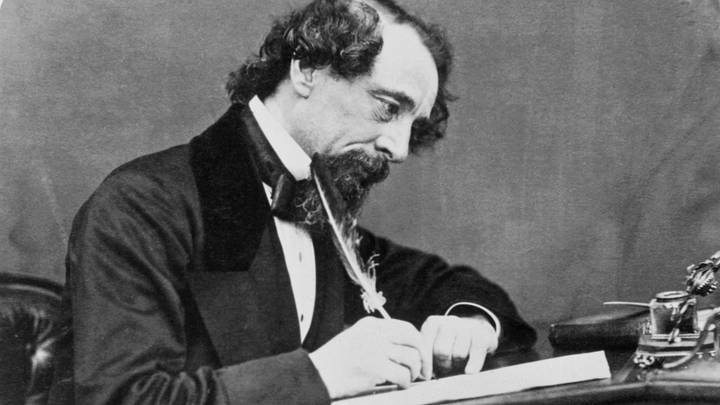
Late in his career, Charles Dickens sat down to write a new preface to one of his novels for a collected edition of his works, and instead of explaining the book, he made a confession. “Of all my books, I like this the best,” he wrote. “It will be easily believed that I am a fond parent to every child of my fancy, and that no one can ever love that family as dearly as I love them. But, like many fond parents, I have in my heart of hearts a favourite child. And his name is DAVID COPPERFIELD.”
Mental Floss has mentioned that line before, in a piece about the books Charlotte Brontë loved, and she loved this one too. David Copperfield came out in 19 monthly installments between May 1849 and November 1850, the life story of a boy named David, told in his own voice. What readers didn’t know, and wouldn’t know until after Dickens was dead, is how much of it had actually happened to him.
The Warehouse Nobody Talked About

When Dickens was about 12, his father’s debts landed most of the family in the Marshalsea debtors’ prison, and Charles was sent to work at Warren’s Blacking Warehouse, pasting labels onto pots of shoe polish for six shillings a week. As an adult, he wrote the story down in an autobiographical fragment and handed it to his friend and future biographer, John Forster. The warehouse, he wrote, was “a crazy, tumble-down old house, abutting of course on the river, and literally overrun with rats.” He admitted he’d kept the whole thing to himself: “From that hour until this at which I write, no word of that part of my childhood which I have now gladly brought to a close has passed my lips to any human being.” That included, he added, “my own wife.”
He never finished the memoir, and the material went into the novel instead. In chapter 11, David becomes, “at ten years old, a little labouring hind in the service of Murdstone and Grinby,” and their warehouse on the Thames is “a crazy old house with a wharf of its own, abutting on the water when the tide was in, and on the mud when the tide was out, and literally overrun with rats.” Dickens had barely changed the wording. In July 1849, he wrote Forster that he’d worked a large part of the manuscript into the new installment: “I really think I have done it ingeniously, and with a very complicated interweaving of truth and fiction.”
D.C. and C.D.

The title gave him more trouble than the warehouse did. According to Forster’s biography, Dickens’s first serious idea was Mag’s Diversions, “Being the personal history of Mr. Thomas Mag the Younger, of Blunderstone House.” Within a few days, Thomas Mag became David Mag, and then David Mag became David Copperfield, while the book kept the Mag title for a while longer.
It was Forster who noticed what had happened: the hero’s initials, D.C., were Dickens’s own, reversed, and the author hadn’t seen it. He “was much startled when I pointed this out,” Forster wrote, “and protested it was just in keeping with the fates and chances which were always befalling him. ‘Why else,’ he said, ‘should I so obstinately have kept to that name when once it turned up?’”
The Book He Couldn’t Let Go Of
When he finished the novel in 1850, Dickens wrote in his original preface that he couldn’t get “sufficiently far away from this Book” to write about it calmly, and that an author finishing a long book “feels as if he were dismissing some portion of himself into the shadowy world.” Readers took to it, too: “Dickens never stood so high in reputation as at the completion of Copperfield,” Forster wrote, and its popularity grew to a degree no earlier book had matched except The Pickwick Papers.
Dickens died in 1870, and the blacking-warehouse story finally came out in the first volume of Forster’s Life of Charles Dickens. Readers had been handed the boy in the warehouse more than 20 years earlier, and only then did they learn he’d been Dickens all along.