%20%20--%3E%0A%3Csvg%20version%3D%221.1%22%20id%3D%22Layer_1%22%20xmlns%3D%22http%3A%2F%2Fwww.w3.org%2F2000%2Fsvg%22%20xmlns%3Axlink%3D%22http%3A%2F%2Fwww.w3.org%2F1999%2Fxlink%22%20x%3D%220px%22%20y%3D%220px%22%0A%09%20viewBox%3D%220%200%20684.6%2068.1%22%20style%3D%22enable-background%3Anew%200%200%20684.6%2068.1%3B%22%20xml%3Aspace%3D%22preserve%22%3E%0A%3Cg%3E%0A%09%3Cpath%20d%3D%22M444.1%2C29.3h-17.4v14.5h17.4V29.3z%20M36.4%2C68.1l29.3-50.8V0H50.4L32.9%2C36.8L15.5%2C0H0v68.1h16.7V45.8l12.4%2C22.3H36.4z%0A%09%09%20M49.1%2C68.1h16.6V23.4L49.1%2C52.1V68.1z%20M76.6%2C68.1h45V53.8H93.3V41.6h21V27.1h-21V14.8h28.3V0.1h-45V68.1z%20M175.6%2C68.1h17.3v-68%0A%09%09h-16.5v40.3L150%2C0.1h-17.6v68h16.7V27.7L175.6%2C68.1z%20M235.8%2C14.8h15.4V0.1h-47.4v14.7H219v53.2h16.8V14.8z%20M290.3%2C45.9h-17.1%0A%09%09l7.5-15.6h2L290.3%2C45.9z%20M298.7%2C68.1h18l-32.2-68h-5.7l-32%2C68h18l3.3-7.1h27.1L298.7%2C68.1z%20M325.2%2C68.1h46.2V53.8h-29.6V0.1h-16.7%0A%09%09V68.1z%20M423.7%2C14.8h27.2V0.1H407v68h16.7V14.8z%20M462%2C68.1h46.2V53.8h-29.6V0.1H462V68.1z%20M564.8%2C34.1c0%2C10.7-7.2%2C19.2-18.5%2C19.2%0A%09%09c-11.4%2C0-18.5-8.5-18.5-19.2s7.1-19.2%2C18.5-19.2C557.6%2C14.9%2C564.8%2C23.4%2C564.8%2C34.1%20M580.6%2C34.1c0-19-14.2-34-34.3-34%0A%09%09c-20.2%2C0-34.3%2C15-34.3%2C34c0%2C19%2C14.1%2C34%2C34.3%2C34C566.4%2C68.1%2C580.6%2C53.1%2C580.6%2C34.1%20M604.8%2C20.5c0-4.1%2C3.3-6.2%2C6.7-6.2%0A%09%09c4.4%2C0%2C6.6%2C3%2C6.6%2C6.6h14.7C631.8%2C9.1%2C625.1%2C0.1%2C611%2C0.1c-12%2C0-21.7%2C9.3-21.7%2C20.6c0%2C10.9%2C5.9%2C15.9%2C16.7%2C19.8%0A%09%09c5.2%2C1.8%2C11.5%2C3.2%2C11.5%2C8c0%2C3.3-2.4%2C5.5-6.4%2C5.5c-3.6%2C0-6.6-3-6.6-6.7h-15.2c0%2C11.5%2C7.9%2C20.8%2C21.8%2C20.8c12%2C0%2C21.6-9.3%2C21.6-20.6%0A%09%09c0-10-5.3-16.4-16.7-19.8C610.6%2C26.1%2C604.8%2C25.3%2C604.8%2C20.5%20M670%2C20.9h14.7C683.8%2C9.1%2C677.1%2C0.1%2C663%2C0.1c-12%2C0-21.7%2C9.3-21.7%2C20.6%0A%09%09c0%2C10.9%2C5.9%2C15.9%2C16.7%2C19.8c5.2%2C1.8%2C11.5%2C3.2%2C11.5%2C8c0%2C3.3-2.4%2C5.5-6.4%2C5.5c-3.6%2C0-6.6-3-6.6-6.7h-15.2c0%2C11.5%2C7.9%2C20.8%2C21.8%2C20.8%0A%09%09c12%2C0%2C21.6-9.3%2C21.6-20.6c0-10-5.3-16.4-16.7-19.8c-5.4-1.6-11.3-2.4-11.3-7.2c0-4.1%2C3.3-6.2%2C6.7-6.2C667.7%2C14.4%2C670%2C17.3%2C670%2C20.9%0A%09%09%22%2F%3E%0A%3C%2Fg%3E%0A%3C%2Fsvg%3E%0A)

Classic literature is made up of stories that have stood the test of time and continue to resonate with people generations later. But what if those stories hadn't turned out the way we know them? Many of the novels we consider to be classics could have had very different endings.
Once we learn that the authors of our favorite novels had alternate ideas for their stories, we start to wonder if the different versions would have been as timeless as the published ones. Would the messages and themes still feel timeless? These are the classic novels with alternate endings that could have changed everything.
- Persuasion by Jane Austen
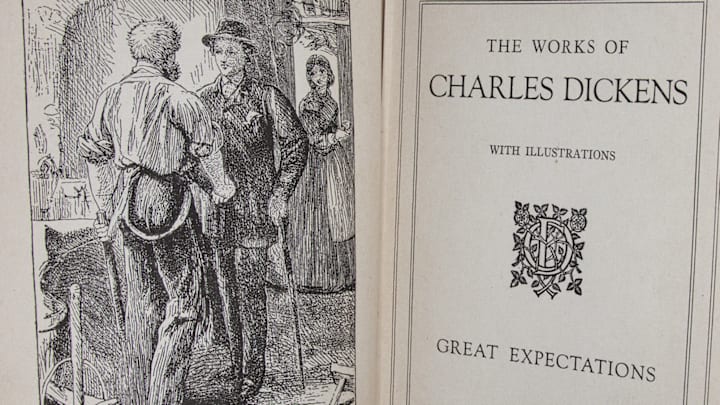
- Great Expectations by Charles Dickens
- The Strange Case of Dr. Jekyll and Mr. Hyde by Robert Louis Stevenson
- The Picture of Dorian Gray by Oscar Wilde
- A Farewell to Arms by Ernest Hemingway
Persuasion by Jane Austen

Jane Austen did not live to see her novel Persuasion published in December of 1817, though she had finished her manuscript a year earlier. She knew that something wasn't quite right with her story, and so she chose not to give it to her publisher until she had perfected it.
Austen eventually rewrote the final two chapters of Persuasion, but her brother Henry and sister Cassandra found the first draft among her things after she died. These draft chapters are called the "cancelled chapters," and Austen was probably right to cancel them. Her original ending had Anne regressing in her character development, which would have left readers feeling the story was pointless.
Great Expectations by Charles Dickens

In a 1860 letter to his friend John Forsyth, Charles Dickens stated that he wanted his next novel to be a comedy. His expectations were dashed, because Great Expectations is far from comedic. But the original ending could have left readers even more hollow.
Dickens actually had three different endings of Great Expectations, though the second and third versions differ only by one line. His original ending had Estella and Pip coincidentally meet on the streets of London, as little more than strangers after so many years apart.
Dickens's friend and fellow writer, Edward Bulwer-Lytton, advised Dickens to rewrite the ending to add a bit more hope for a romantic future, leading to Estella and Pip reuniting in the ruins of Satis House.
The Strange Case of Dr. Jekyll and Mr. Hyde by Robert Louis Stevenson

We will never know what was contained in the first version of the horror novella, The Strange Case of Dr. Jekyll and Mr. Hyde. That's because Fanny Stevenson, Robert Louis Stevenson's wife, burned the first draft, calling it "distasteful."
Historians and critics argue whether Fanny Stevenson threw her husband's story into the fireplace due to its content being too provocative or because she felt Stevenson's work was far below his potential. Whatever the reason, Robert Louis Stevenson had to spend three days rewriting his novella from scratch and send it off to the publisher before his wife could destroy the manuscript again.
The Picture of Dorian Gray by Oscar Wilde

Oscar Wilde published his first version of The Picture of Dorian Gray in Lippincott's Monthly Magazine in 1890, but when the manuscript was sent to Wilde's editor in novel form, some changes had to be made. The 1890 version is shorter and has fewer morals, leading it to be dubbed the "uncensored" version.
Wilde's editor cut out much of the more explicit content, including anything to do with gay relationships. Wilde himself would add six chapters for the final novel, including the moral that vanity and corruption destroy the soul. The 1891 novel version was still seen as vulgar by its contemporary audience, but Wilde would have still preferred the original, uncensored version.
A Farewell to Arms by Ernest Hemingway

Ernest Hemingway was apparently quite indecisive when it came to the ending of his second novel, A Farewell to Arms. In 1958, he told the Paris Review that he had written 39 different versions. When going through drafts for a new edition, Hemingway's grandson Sean discovered the total was actually 47.
When asked which alternate ending he liked the most, Sean Hemingway said, "The ending in which you consider that the baby lives." So, Hemingway's devastating finale could have seen Frederic becoming a new father while still reeling from Catherine's death. But that would not hold the same message as the emptiness and loss that war brings.