%20%20--%3E%0A%3Csvg%20version%3D%221.1%22%20id%3D%22Layer_1%22%20xmlns%3D%22http%3A%2F%2Fwww.w3.org%2F2000%2Fsvg%22%20xmlns%3Axlink%3D%22http%3A%2F%2Fwww.w3.org%2F1999%2Fxlink%22%20x%3D%220px%22%20y%3D%220px%22%0A%09%20viewBox%3D%220%200%20684.6%2068.1%22%20style%3D%22enable-background%3Anew%200%200%20684.6%2068.1%3B%22%20xml%3Aspace%3D%22preserve%22%3E%0A%3Cg%3E%0A%09%3Cpath%20d%3D%22M444.1%2C29.3h-17.4v14.5h17.4V29.3z%20M36.4%2C68.1l29.3-50.8V0H50.4L32.9%2C36.8L15.5%2C0H0v68.1h16.7V45.8l12.4%2C22.3H36.4z%0A%09%09%20M49.1%2C68.1h16.6V23.4L49.1%2C52.1V68.1z%20M76.6%2C68.1h45V53.8H93.3V41.6h21V27.1h-21V14.8h28.3V0.1h-45V68.1z%20M175.6%2C68.1h17.3v-68%0A%09%09h-16.5v40.3L150%2C0.1h-17.6v68h16.7V27.7L175.6%2C68.1z%20M235.8%2C14.8h15.4V0.1h-47.4v14.7H219v53.2h16.8V14.8z%20M290.3%2C45.9h-17.1%0A%09%09l7.5-15.6h2L290.3%2C45.9z%20M298.7%2C68.1h18l-32.2-68h-5.7l-32%2C68h18l3.3-7.1h27.1L298.7%2C68.1z%20M325.2%2C68.1h46.2V53.8h-29.6V0.1h-16.7%0A%09%09V68.1z%20M423.7%2C14.8h27.2V0.1H407v68h16.7V14.8z%20M462%2C68.1h46.2V53.8h-29.6V0.1H462V68.1z%20M564.8%2C34.1c0%2C10.7-7.2%2C19.2-18.5%2C19.2%0A%09%09c-11.4%2C0-18.5-8.5-18.5-19.2s7.1-19.2%2C18.5-19.2C557.6%2C14.9%2C564.8%2C23.4%2C564.8%2C34.1%20M580.6%2C34.1c0-19-14.2-34-34.3-34%0A%09%09c-20.2%2C0-34.3%2C15-34.3%2C34c0%2C19%2C14.1%2C34%2C34.3%2C34C566.4%2C68.1%2C580.6%2C53.1%2C580.6%2C34.1%20M604.8%2C20.5c0-4.1%2C3.3-6.2%2C6.7-6.2%0A%09%09c4.4%2C0%2C6.6%2C3%2C6.6%2C6.6h14.7C631.8%2C9.1%2C625.1%2C0.1%2C611%2C0.1c-12%2C0-21.7%2C9.3-21.7%2C20.6c0%2C10.9%2C5.9%2C15.9%2C16.7%2C19.8%0A%09%09c5.2%2C1.8%2C11.5%2C3.2%2C11.5%2C8c0%2C3.3-2.4%2C5.5-6.4%2C5.5c-3.6%2C0-6.6-3-6.6-6.7h-15.2c0%2C11.5%2C7.9%2C20.8%2C21.8%2C20.8c12%2C0%2C21.6-9.3%2C21.6-20.6%0A%09%09c0-10-5.3-16.4-16.7-19.8C610.6%2C26.1%2C604.8%2C25.3%2C604.8%2C20.5%20M670%2C20.9h14.7C683.8%2C9.1%2C677.1%2C0.1%2C663%2C0.1c-12%2C0-21.7%2C9.3-21.7%2C20.6%0A%09%09c0%2C10.9%2C5.9%2C15.9%2C16.7%2C19.8c5.2%2C1.8%2C11.5%2C3.2%2C11.5%2C8c0%2C3.3-2.4%2C5.5-6.4%2C5.5c-3.6%2C0-6.6-3-6.6-6.7h-15.2c0%2C11.5%2C7.9%2C20.8%2C21.8%2C20.8%0A%09%09c12%2C0%2C21.6-9.3%2C21.6-20.6c0-10-5.3-16.4-16.7-19.8c-5.4-1.6-11.3-2.4-11.3-7.2c0-4.1%2C3.3-6.2%2C6.7-6.2C667.7%2C14.4%2C670%2C17.3%2C670%2C20.9%0A%09%09%22%2F%3E%0A%3C%2Fg%3E%0A%3C%2Fsvg%3E%0A)

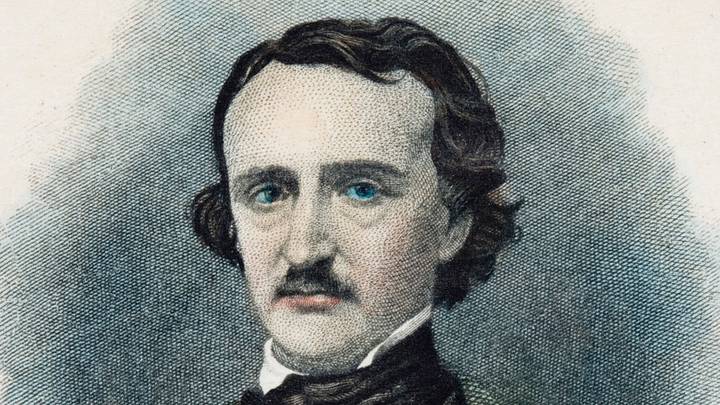
Edgar Allan Poe is renowned for his melancholic and macabre works of fiction and poetry. The writer helped create detective fiction, pioneered the Gothic genre and the short story, and helped craft some of the most memorably haunting tales ever written.
While Poe may be best known for stories like “The Tell-Tale Heart” and poems like “The Raven,” there was one story that, from his own perspective, stood above all the rest: the short story “Ligeia.”
Poe’s favorite Poe works

In a 1846 letter to Philip Pendleton Cooke about “Ligeia,” Poe wrote that the story “may be called my best tale.” In another letter to publisher Evert Augustus Duyckinck, he called it “undoubtedly the best story I have written.”
“Ligeia” was published in 1838, and follows an unnamed narrator who falls in love with a beautiful and intelligent woman named Ligeia. She impresses the narrator with her knowledge of science and metaphysics, but soon becomes sick and dies. The narrator then marries another woman named Lady Rowena, who also dies, only to come back to life…as Ligeia.
Some have attributed this series of events to a hallucination caused by opium use, while others have view as genuinely supernatural and still others have read it as satire. Poe himself shared conflicting interpretations of its events throughout his life, yet clearly took great pride in it overall.
The story was first published in the magazine American Museum and was edited and republished numerous times, and it remains a haunting and highly praised jewel in Poe’s catalog.
While Poe may have considered “Ligeia” to be the best of his short stories, he considered another work his masterpiece: the lengthy prose poem Eureka. Subtitled An Essay on the Material and Spiritual Universe, the book contained Poe’s theory that the entire universe originated from a single divine spark and that one day all beings would collapse back into oneness with the divine, as well as reflections on other cosmological topics.
Rather than relying on science, Poe drew from his intuition to craft the work. Intriguingly, science has later verified some of the theories Poe proposed in it, such as the first solution to Olbers’ paradox, which describes the contradictory fact that the night sky is dark but is lit up with stars.
Poe was a great believer in the work, and in a letter to his publisher, he wrote that the book would one day become “of greater importance than Newton’s discovery of gravitation.” Unfortunately, it baffled critics and was largely dismissed during Poe’s lifetime.
Poe’s least favorite Poe work

Poe was famously a harsh critic of other writers, but never directly singled out a least favorite work of his own. He was, however, extremely dismissive of his sole published novel.
The Narrative of Arthur Gordon Pym of Nantucket was published in 1838. It follows a young man named Arthur Gordon Pym, who stows away on a whaler and encounters everything from mutiny to cannibals on his journey. Things become increasingly strange and violent as the story goes on.
The book largely received poor reviews, including one published in Burton's Gentleman's Magazine and possibly written by the magazine’s editor, William Evans Burton, that labeled it a hoax and an “impudent attempt at humbugging the public.” Poe subsequently wrote to Burton to tell him that he felt the review had been “essentially correct” in its assessment of his novel, which he went on to describe as a “very silly book.”
Still, over the years, the book did find some fans, including the famous writer Jean Luis Borges, who called it “Poe’s greatest work.”