%20%20--%3E%0A%3Csvg%20version%3D%221.1%22%20id%3D%22Layer_1%22%20xmlns%3D%22http%3A%2F%2Fwww.w3.org%2F2000%2Fsvg%22%20xmlns%3Axlink%3D%22http%3A%2F%2Fwww.w3.org%2F1999%2Fxlink%22%20x%3D%220px%22%20y%3D%220px%22%0A%09%20viewBox%3D%220%200%20684.6%2068.1%22%20style%3D%22enable-background%3Anew%200%200%20684.6%2068.1%3B%22%20xml%3Aspace%3D%22preserve%22%3E%0A%3Cg%3E%0A%09%3Cpath%20d%3D%22M444.1%2C29.3h-17.4v14.5h17.4V29.3z%20M36.4%2C68.1l29.3-50.8V0H50.4L32.9%2C36.8L15.5%2C0H0v68.1h16.7V45.8l12.4%2C22.3H36.4z%0A%09%09%20M49.1%2C68.1h16.6V23.4L49.1%2C52.1V68.1z%20M76.6%2C68.1h45V53.8H93.3V41.6h21V27.1h-21V14.8h28.3V0.1h-45V68.1z%20M175.6%2C68.1h17.3v-68%0A%09%09h-16.5v40.3L150%2C0.1h-17.6v68h16.7V27.7L175.6%2C68.1z%20M235.8%2C14.8h15.4V0.1h-47.4v14.7H219v53.2h16.8V14.8z%20M290.3%2C45.9h-17.1%0A%09%09l7.5-15.6h2L290.3%2C45.9z%20M298.7%2C68.1h18l-32.2-68h-5.7l-32%2C68h18l3.3-7.1h27.1L298.7%2C68.1z%20M325.2%2C68.1h46.2V53.8h-29.6V0.1h-16.7%0A%09%09V68.1z%20M423.7%2C14.8h27.2V0.1H407v68h16.7V14.8z%20M462%2C68.1h46.2V53.8h-29.6V0.1H462V68.1z%20M564.8%2C34.1c0%2C10.7-7.2%2C19.2-18.5%2C19.2%0A%09%09c-11.4%2C0-18.5-8.5-18.5-19.2s7.1-19.2%2C18.5-19.2C557.6%2C14.9%2C564.8%2C23.4%2C564.8%2C34.1%20M580.6%2C34.1c0-19-14.2-34-34.3-34%0A%09%09c-20.2%2C0-34.3%2C15-34.3%2C34c0%2C19%2C14.1%2C34%2C34.3%2C34C566.4%2C68.1%2C580.6%2C53.1%2C580.6%2C34.1%20M604.8%2C20.5c0-4.1%2C3.3-6.2%2C6.7-6.2%0A%09%09c4.4%2C0%2C6.6%2C3%2C6.6%2C6.6h14.7C631.8%2C9.1%2C625.1%2C0.1%2C611%2C0.1c-12%2C0-21.7%2C9.3-21.7%2C20.6c0%2C10.9%2C5.9%2C15.9%2C16.7%2C19.8%0A%09%09c5.2%2C1.8%2C11.5%2C3.2%2C11.5%2C8c0%2C3.3-2.4%2C5.5-6.4%2C5.5c-3.6%2C0-6.6-3-6.6-6.7h-15.2c0%2C11.5%2C7.9%2C20.8%2C21.8%2C20.8c12%2C0%2C21.6-9.3%2C21.6-20.6%0A%09%09c0-10-5.3-16.4-16.7-19.8C610.6%2C26.1%2C604.8%2C25.3%2C604.8%2C20.5%20M670%2C20.9h14.7C683.8%2C9.1%2C677.1%2C0.1%2C663%2C0.1c-12%2C0-21.7%2C9.3-21.7%2C20.6%0A%09%09c0%2C10.9%2C5.9%2C15.9%2C16.7%2C19.8c5.2%2C1.8%2C11.5%2C3.2%2C11.5%2C8c0%2C3.3-2.4%2C5.5-6.4%2C5.5c-3.6%2C0-6.6-3-6.6-6.7h-15.2c0%2C11.5%2C7.9%2C20.8%2C21.8%2C20.8%0A%09%09c12%2C0%2C21.6-9.3%2C21.6-20.6c0-10-5.3-16.4-16.7-19.8c-5.4-1.6-11.3-2.4-11.3-7.2c0-4.1%2C3.3-6.2%2C6.7-6.2C667.7%2C14.4%2C670%2C17.3%2C670%2C20.9%0A%09%09%22%2F%3E%0A%3C%2Fg%3E%0A%3C%2Fsvg%3E%0A)

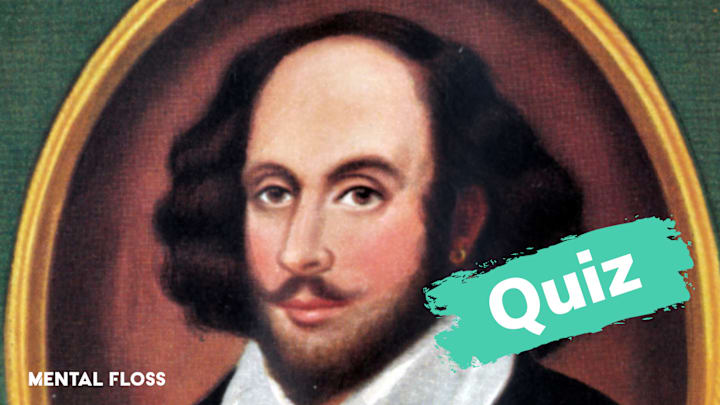
You may know the gist of William Shakespeare's plays, or even some of his most famous quotes. But a true understanding of the Bard's work involves knowing his characters. Shakespeare wrote some of the most iconic characters of all time, and even colored history with his portrayals of certain historical figures' motives.
From the vilest of villains to the most sympathetic of protagonists, Shakespeare's characters have drawn people in for generations. Their emotions become our emotions as we see their stories play out. But can you name each individual character by just a small portion of their story? If you think you can, take the quiz below!
Did you get 10/10? Or, would Shakespeare say, "You are not worth another word else I’d call you knave"? If you'd like to try your hand at more Shakespearean trivia, check out our other quizzes. And if you wanted to learn more about how Shakespeare influenced many modern phrases and words, try our language section.
More Literature Quizzes:
The Ladies of Shakespeare's Plays

While Shakespeare may have written many more men than women in his plays, the female characters are often more than mere plot devices. And it wasn't just when women dressed as men that they were able to act with autonomy. For a time when women couldn't act publicly, Shakespeare wrote his female characters to stand strong and have their voices heard.
One woman that many think of as a more powerful character is Katherine from The Taming of the Shrew. While she is strong and independent, and still has some authority when she becomes Petruchio's wife, she also succumbs to his misogynistic training to be a proper wife. Katherine may not be the best example of Shakespeare's feminist characters, but he does have quite a few others who take charge and speak up.
Lady Macbeth
Lady Macbeth may be a villain, but that is what makes her character all the more powerful. Though the play Macbeth claims her husband to be the main character, Lady Macbeth is the true mastermind behind all of the schemes to murder the king. It is her iron will and manipulative skills that drive the story and make her one of the most terrifying villains in all of literature.
Even when Lady Macbeth begins to go mad, her descent is caused by the guilt and shame of her bloodlust and ambition. It is more akin to Hamlet's loss of sanity, again caused by guilt for his actions, than to Ophelia's, who goes mad after her father's murder. When power is equated to masculinity, then Lady Macbeth is equated more to a man in power than a woman who isn't capable of acting for herself.
Beatrice

As one of Shakespeare's heroines, Beatrice from Much Ado About Nothing fights against societal expectations when she decides not to marry. She doesn't want to be subservient, but rather equal to her husband. Believing that she'll never find a man who would agree to an equal marriage, she is determined to stay single.
Only when Benedick proves to enjoy their debates and acknowledges her intelligence does Beatrice begin to fall in love. Plus, she also stands up for her timid cousin, Hero, when the girl's chastity is put into question.