%20%20--%3E%0A%3Csvg%20version%3D%221.1%22%20id%3D%22Layer_1%22%20xmlns%3D%22http%3A%2F%2Fwww.w3.org%2F2000%2Fsvg%22%20xmlns%3Axlink%3D%22http%3A%2F%2Fwww.w3.org%2F1999%2Fxlink%22%20x%3D%220px%22%20y%3D%220px%22%0A%09%20viewBox%3D%220%200%20684.6%2068.1%22%20style%3D%22enable-background%3Anew%200%200%20684.6%2068.1%3B%22%20xml%3Aspace%3D%22preserve%22%3E%0A%3Cg%3E%0A%09%3Cpath%20d%3D%22M444.1%2C29.3h-17.4v14.5h17.4V29.3z%20M36.4%2C68.1l29.3-50.8V0H50.4L32.9%2C36.8L15.5%2C0H0v68.1h16.7V45.8l12.4%2C22.3H36.4z%0A%09%09%20M49.1%2C68.1h16.6V23.4L49.1%2C52.1V68.1z%20M76.6%2C68.1h45V53.8H93.3V41.6h21V27.1h-21V14.8h28.3V0.1h-45V68.1z%20M175.6%2C68.1h17.3v-68%0A%09%09h-16.5v40.3L150%2C0.1h-17.6v68h16.7V27.7L175.6%2C68.1z%20M235.8%2C14.8h15.4V0.1h-47.4v14.7H219v53.2h16.8V14.8z%20M290.3%2C45.9h-17.1%0A%09%09l7.5-15.6h2L290.3%2C45.9z%20M298.7%2C68.1h18l-32.2-68h-5.7l-32%2C68h18l3.3-7.1h27.1L298.7%2C68.1z%20M325.2%2C68.1h46.2V53.8h-29.6V0.1h-16.7%0A%09%09V68.1z%20M423.7%2C14.8h27.2V0.1H407v68h16.7V14.8z%20M462%2C68.1h46.2V53.8h-29.6V0.1H462V68.1z%20M564.8%2C34.1c0%2C10.7-7.2%2C19.2-18.5%2C19.2%0A%09%09c-11.4%2C0-18.5-8.5-18.5-19.2s7.1-19.2%2C18.5-19.2C557.6%2C14.9%2C564.8%2C23.4%2C564.8%2C34.1%20M580.6%2C34.1c0-19-14.2-34-34.3-34%0A%09%09c-20.2%2C0-34.3%2C15-34.3%2C34c0%2C19%2C14.1%2C34%2C34.3%2C34C566.4%2C68.1%2C580.6%2C53.1%2C580.6%2C34.1%20M604.8%2C20.5c0-4.1%2C3.3-6.2%2C6.7-6.2%0A%09%09c4.4%2C0%2C6.6%2C3%2C6.6%2C6.6h14.7C631.8%2C9.1%2C625.1%2C0.1%2C611%2C0.1c-12%2C0-21.7%2C9.3-21.7%2C20.6c0%2C10.9%2C5.9%2C15.9%2C16.7%2C19.8%0A%09%09c5.2%2C1.8%2C11.5%2C3.2%2C11.5%2C8c0%2C3.3-2.4%2C5.5-6.4%2C5.5c-3.6%2C0-6.6-3-6.6-6.7h-15.2c0%2C11.5%2C7.9%2C20.8%2C21.8%2C20.8c12%2C0%2C21.6-9.3%2C21.6-20.6%0A%09%09c0-10-5.3-16.4-16.7-19.8C610.6%2C26.1%2C604.8%2C25.3%2C604.8%2C20.5%20M670%2C20.9h14.7C683.8%2C9.1%2C677.1%2C0.1%2C663%2C0.1c-12%2C0-21.7%2C9.3-21.7%2C20.6%0A%09%09c0%2C10.9%2C5.9%2C15.9%2C16.7%2C19.8c5.2%2C1.8%2C11.5%2C3.2%2C11.5%2C8c0%2C3.3-2.4%2C5.5-6.4%2C5.5c-3.6%2C0-6.6-3-6.6-6.7h-15.2c0%2C11.5%2C7.9%2C20.8%2C21.8%2C20.8%0A%09%09c12%2C0%2C21.6-9.3%2C21.6-20.6c0-10-5.3-16.4-16.7-19.8c-5.4-1.6-11.3-2.4-11.3-7.2c0-4.1%2C3.3-6.2%2C6.7-6.2C667.7%2C14.4%2C670%2C17.3%2C670%2C20.9%0A%09%09%22%2F%3E%0A%3C%2Fg%3E%0A%3C%2Fsvg%3E%0A)

Malls are dying across the United States, which complicates things when you want to have a nostalgic trip to relive your days as a teen wandering through your favorite stores.
Just how bad is it? Well, there were once 2,500 malls in the U.S. at their height in the 1980s, with a 2022 report from The Wall Street Journal estimating only 700 left at the time. That means no more strolling through your local mall to visit your once-favorite stores anymore.
Many of those stores were great. The 2000s had mall stops with clothes, jewelry, music, and plenty of other things to spend your money on. Which of these stores do you still miss? Revisit these six classics.
The Sharper Image
The Sharper Image always had something unique to see when it came to new electronics. The store was known for its high-tech gadgets that you could actually try out while wandering the mall, including things like cameras, specialty lamps, and air purifiers.
There was also that fancy massage chair sitting right in front to try out. The Sharper Image ran into trouble because of declining sales and a lawsuit, leading to the company to file for bankruptcy in 2008 and shut down all of its stores. It still exists today as an online retailer with occasional pop-up shops, but is nothing like its former self.
Limited Too
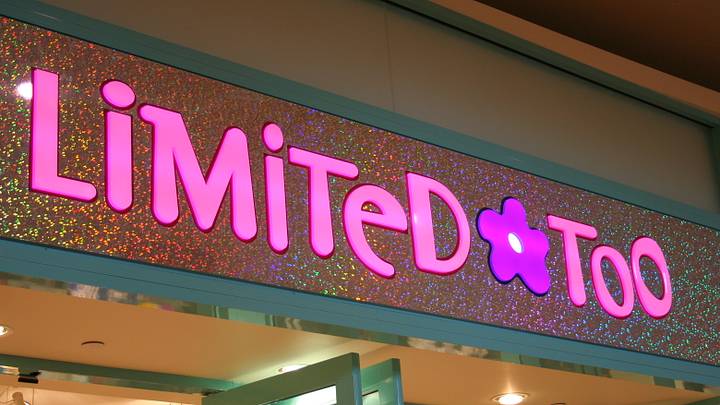
Back in the 2000s, The Limited was a great mall option for clothes for your first real job or to go out at night with friends. But for younger shoppers, Limited Too was a good stepping stone with fun graphic tees, sparkly accessories, and anything you needed to make your tween bedroom look amazing.
The stores began to transition to Justice stores, a sister brand, in 2008 while continuing to cater to tweens. Justice closed its retail stores in 2021 and shoppers can now only find the brand in Walmart —a big difference from a time when they dominated local malls.
Borders

Book lovers had plenty of options to grab the latest new releases or add to their shelves at home with a variety of bookstore chains in the 2000s. But declining sales, online competition, and changing technology caused big problems for stores like Borders.
The company filed for bankruptcy in 2011 and liquidated its assets, shuttering stores across the country. Other book retailers like B. Dalton Bookseller and Waldenbooks suffered similar fates.
Circuit City

Circuit City was a great place to grab the latest technology and electronic gadgets, at least the latest for the 2000s—it would look downright ancient now. Shoppers could get the newest stereos, computers, televisions, and more, until the company declared bankruptcy in 2008. The company’s mismanagement of locations and lack of innovation in the wake of new retailers at the time like Best Buy led to its downfall.
Tower Records

Music lovers would always find a way to stop by a store at the mall to grab the newest hits or classic albums to add to their collection. By the 2000s, places like Tower Records were packed with CDs from the biggest artists of the day or new bands you wanted to check out.
Then, streaming music and big-box stores came along, selling CDs for less and pushing out mall music stores. Tower Records shut down in 2006 after declaring bankruptcy, leaving music fans without a store to shop in anymore. The brand has come back as an online store for fans to buy physical music options again.
dELiA*s

dELiA*s was a casual fashion brand that catered to preteens, teens, and college-age women, with both its store locations and successful catalog. At one point, 55 million copies of the store's mail-order catalog were being shipped out in a year. Sales, however, slowed down, and the company last reported an annual profit in 2007 before declaring bankruptcy in 2014.