%20%20--%3E%0A%3Csvg%20version%3D%221.1%22%20id%3D%22Layer_1%22%20xmlns%3D%22http%3A%2F%2Fwww.w3.org%2F2000%2Fsvg%22%20xmlns%3Axlink%3D%22http%3A%2F%2Fwww.w3.org%2F1999%2Fxlink%22%20x%3D%220px%22%20y%3D%220px%22%0A%09%20viewBox%3D%220%200%20684.6%2068.1%22%20style%3D%22enable-background%3Anew%200%200%20684.6%2068.1%3B%22%20xml%3Aspace%3D%22preserve%22%3E%0A%3Cg%3E%0A%09%3Cpath%20d%3D%22M444.1%2C29.3h-17.4v14.5h17.4V29.3z%20M36.4%2C68.1l29.3-50.8V0H50.4L32.9%2C36.8L15.5%2C0H0v68.1h16.7V45.8l12.4%2C22.3H36.4z%0A%09%09%20M49.1%2C68.1h16.6V23.4L49.1%2C52.1V68.1z%20M76.6%2C68.1h45V53.8H93.3V41.6h21V27.1h-21V14.8h28.3V0.1h-45V68.1z%20M175.6%2C68.1h17.3v-68%0A%09%09h-16.5v40.3L150%2C0.1h-17.6v68h16.7V27.7L175.6%2C68.1z%20M235.8%2C14.8h15.4V0.1h-47.4v14.7H219v53.2h16.8V14.8z%20M290.3%2C45.9h-17.1%0A%09%09l7.5-15.6h2L290.3%2C45.9z%20M298.7%2C68.1h18l-32.2-68h-5.7l-32%2C68h18l3.3-7.1h27.1L298.7%2C68.1z%20M325.2%2C68.1h46.2V53.8h-29.6V0.1h-16.7%0A%09%09V68.1z%20M423.7%2C14.8h27.2V0.1H407v68h16.7V14.8z%20M462%2C68.1h46.2V53.8h-29.6V0.1H462V68.1z%20M564.8%2C34.1c0%2C10.7-7.2%2C19.2-18.5%2C19.2%0A%09%09c-11.4%2C0-18.5-8.5-18.5-19.2s7.1-19.2%2C18.5-19.2C557.6%2C14.9%2C564.8%2C23.4%2C564.8%2C34.1%20M580.6%2C34.1c0-19-14.2-34-34.3-34%0A%09%09c-20.2%2C0-34.3%2C15-34.3%2C34c0%2C19%2C14.1%2C34%2C34.3%2C34C566.4%2C68.1%2C580.6%2C53.1%2C580.6%2C34.1%20M604.8%2C20.5c0-4.1%2C3.3-6.2%2C6.7-6.2%0A%09%09c4.4%2C0%2C6.6%2C3%2C6.6%2C6.6h14.7C631.8%2C9.1%2C625.1%2C0.1%2C611%2C0.1c-12%2C0-21.7%2C9.3-21.7%2C20.6c0%2C10.9%2C5.9%2C15.9%2C16.7%2C19.8%0A%09%09c5.2%2C1.8%2C11.5%2C3.2%2C11.5%2C8c0%2C3.3-2.4%2C5.5-6.4%2C5.5c-3.6%2C0-6.6-3-6.6-6.7h-15.2c0%2C11.5%2C7.9%2C20.8%2C21.8%2C20.8c12%2C0%2C21.6-9.3%2C21.6-20.6%0A%09%09c0-10-5.3-16.4-16.7-19.8C610.6%2C26.1%2C604.8%2C25.3%2C604.8%2C20.5%20M670%2C20.9h14.7C683.8%2C9.1%2C677.1%2C0.1%2C663%2C0.1c-12%2C0-21.7%2C9.3-21.7%2C20.6%0A%09%09c0%2C10.9%2C5.9%2C15.9%2C16.7%2C19.8c5.2%2C1.8%2C11.5%2C3.2%2C11.5%2C8c0%2C3.3-2.4%2C5.5-6.4%2C5.5c-3.6%2C0-6.6-3-6.6-6.7h-15.2c0%2C11.5%2C7.9%2C20.8%2C21.8%2C20.8%0A%09%09c12%2C0%2C21.6-9.3%2C21.6-20.6c0-10-5.3-16.4-16.7-19.8c-5.4-1.6-11.3-2.4-11.3-7.2c0-4.1%2C3.3-6.2%2C6.7-6.2C667.7%2C14.4%2C670%2C17.3%2C670%2C20.9%0A%09%09%22%2F%3E%0A%3C%2Fg%3E%0A%3C%2Fsvg%3E%0A)

It must be hard for kids today to appreciate the myriad changes between life as it is now and life before the smartphone became ubiquitous. Children and adults during the 1990s, 1980s, and earlier experienced fall quite differently, and arguably more acutely than they do today. Back then, shortened days and drops in temperature brought significant adjustments in how you spent your time. Here are some major differences that might surprise you.
- Comics and magazines
- Photography
- Shopping
- Maps and timetables
- Taking a drive just because
- Playing outside
Comics and magazines

The pre-smartphone age was a golden time for print media, and cozy fall evenings were perfect for curling up with a good read. Any trip to the store was made all the more exciting by perusing the shelves to see if the new issue of your favorite periodical had arrived. In the world of comics and graphic novels, you had all the familiar superhero titles to choose from, and in later decades, new wonders such as Hellboy, Preacher, the Flash, Transmetropolitan, Spawn, and Hellblazer emerged. In fact, it really didn't matter what you were into; there was a magazine for everything—Young & Modern and Seventeen for teens, Nintendo Power for gamers, Vogue and GQ for fashion and culture. That new magazine smell was always a winner.
Photography

These days, we all carry decent cameras in our pockets, so if we see something pretty, it's the easiest thing in the world to snap a photo, and the results are instant. Back before the rise of the smartphone, if you wanted to capture the passing beauty of fall—the golden brown leaves on trees, the late afternoon sky, or impressive Halloween decorations—then you needed an actual camera. Not many of us had one. Owning a camera meant commitment. They weren't something you just shoved in your pocket. You also needed to invest in rolls of film to go with it. Not to mention having to send your snaps off for processing and waiting several days for the results. The upside was that every picture meant something special.
Shopping

Two major shopping events occur every fall: Halloween and back-to-school preparations. With no smartphones, internet, or major online stores, that always meant a trip out to physical stores. This was always an expedition in itself. For Halloween, it meant trawling seemingly endless shelves full of plastic pumpkin buckets, fake cobwebs, die-cut decorations, and candy. For back-to-school prep, you'd hit the kids’ clothing and stationery sections. Rulers, calculators, pens, pencils, sports kits, blazers, shoes—perusing through them was a double blow, because it was often a tedious process and also because it reminded you of the imminent end of your summer freedom.
Maps and timetables

Pre-smartphone, getting from A to B—particularly along an unfamiliar route—was a test of your preparation and planning skills. Going anywhere on those long fall evenings with diminished daylight added the obstacle of poor visibility. With no Google Maps or real-time bus information, you had to rely on physical timetables and fold-out maps. This was a two-stage operation. First, you had to locate your start and end points on the map (using the street index and grid reference). Then, if you were taking the bus, there was the deep dive into the timetables to see which buses ran to and from nearby stops, and at what times. If the internet ever goes down, we pre-smartphone kids are prepared!
Taking a drive just because

No social media meant that the world didn't come to you; you had to go out and find it. Perhaps you might have wanted to simply take in the changing of the seasons—the beautiful falling leaves, Halloween decorations, or a nice sunset. The only way to see these things was to get out and look. Sure, you could take a bicycle or go for a long walk, but there was something special about a short drive around the neighborhood, warm and safe in your family car, peering out at those unique fall sights.
Playing outside

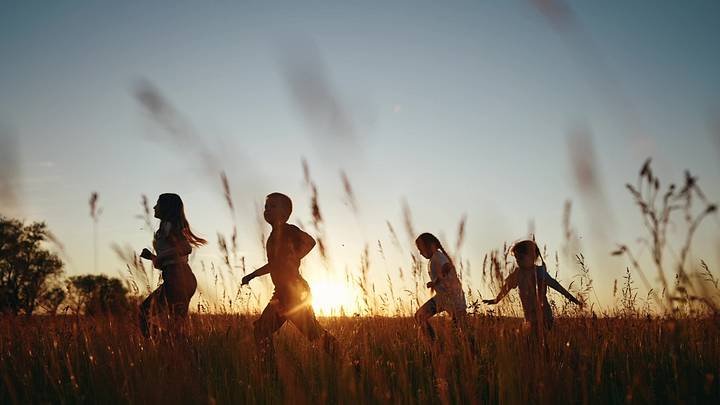
The end of summer didn't mean the end of playing. With less television on offer and no way to connect with friends online, kids spent more time out in the streets, meeting up, and inventing all sorts of games. Fall came with its own built-in alarm clock—when the sky began to get properly dark, you knew it was time to head for home. In the meantime, you could usefully employ your time mucking around on your bikes, or indulging in games of hide and seek, red light, green light, or any number of homespun shenanigans.