%20%20--%3E%0A%3Csvg%20version%3D%221.1%22%20id%3D%22Layer_1%22%20xmlns%3D%22http%3A%2F%2Fwww.w3.org%2F2000%2Fsvg%22%20xmlns%3Axlink%3D%22http%3A%2F%2Fwww.w3.org%2F1999%2Fxlink%22%20x%3D%220px%22%20y%3D%220px%22%0A%09%20viewBox%3D%220%200%20684.6%2068.1%22%20style%3D%22enable-background%3Anew%200%200%20684.6%2068.1%3B%22%20xml%3Aspace%3D%22preserve%22%3E%0A%3Cg%3E%0A%09%3Cpath%20d%3D%22M444.1%2C29.3h-17.4v14.5h17.4V29.3z%20M36.4%2C68.1l29.3-50.8V0H50.4L32.9%2C36.8L15.5%2C0H0v68.1h16.7V45.8l12.4%2C22.3H36.4z%0A%09%09%20M49.1%2C68.1h16.6V23.4L49.1%2C52.1V68.1z%20M76.6%2C68.1h45V53.8H93.3V41.6h21V27.1h-21V14.8h28.3V0.1h-45V68.1z%20M175.6%2C68.1h17.3v-68%0A%09%09h-16.5v40.3L150%2C0.1h-17.6v68h16.7V27.7L175.6%2C68.1z%20M235.8%2C14.8h15.4V0.1h-47.4v14.7H219v53.2h16.8V14.8z%20M290.3%2C45.9h-17.1%0A%09%09l7.5-15.6h2L290.3%2C45.9z%20M298.7%2C68.1h18l-32.2-68h-5.7l-32%2C68h18l3.3-7.1h27.1L298.7%2C68.1z%20M325.2%2C68.1h46.2V53.8h-29.6V0.1h-16.7%0A%09%09V68.1z%20M423.7%2C14.8h27.2V0.1H407v68h16.7V14.8z%20M462%2C68.1h46.2V53.8h-29.6V0.1H462V68.1z%20M564.8%2C34.1c0%2C10.7-7.2%2C19.2-18.5%2C19.2%0A%09%09c-11.4%2C0-18.5-8.5-18.5-19.2s7.1-19.2%2C18.5-19.2C557.6%2C14.9%2C564.8%2C23.4%2C564.8%2C34.1%20M580.6%2C34.1c0-19-14.2-34-34.3-34%0A%09%09c-20.2%2C0-34.3%2C15-34.3%2C34c0%2C19%2C14.1%2C34%2C34.3%2C34C566.4%2C68.1%2C580.6%2C53.1%2C580.6%2C34.1%20M604.8%2C20.5c0-4.1%2C3.3-6.2%2C6.7-6.2%0A%09%09c4.4%2C0%2C6.6%2C3%2C6.6%2C6.6h14.7C631.8%2C9.1%2C625.1%2C0.1%2C611%2C0.1c-12%2C0-21.7%2C9.3-21.7%2C20.6c0%2C10.9%2C5.9%2C15.9%2C16.7%2C19.8%0A%09%09c5.2%2C1.8%2C11.5%2C3.2%2C11.5%2C8c0%2C3.3-2.4%2C5.5-6.4%2C5.5c-3.6%2C0-6.6-3-6.6-6.7h-15.2c0%2C11.5%2C7.9%2C20.8%2C21.8%2C20.8c12%2C0%2C21.6-9.3%2C21.6-20.6%0A%09%09c0-10-5.3-16.4-16.7-19.8C610.6%2C26.1%2C604.8%2C25.3%2C604.8%2C20.5%20M670%2C20.9h14.7C683.8%2C9.1%2C677.1%2C0.1%2C663%2C0.1c-12%2C0-21.7%2C9.3-21.7%2C20.6%0A%09%09c0%2C10.9%2C5.9%2C15.9%2C16.7%2C19.8c5.2%2C1.8%2C11.5%2C3.2%2C11.5%2C8c0%2C3.3-2.4%2C5.5-6.4%2C5.5c-3.6%2C0-6.6-3-6.6-6.7h-15.2c0%2C11.5%2C7.9%2C20.8%2C21.8%2C20.8%0A%09%09c12%2C0%2C21.6-9.3%2C21.6-20.6c0-10-5.3-16.4-16.7-19.8c-5.4-1.6-11.3-2.4-11.3-7.2c0-4.1%2C3.3-6.2%2C6.7-6.2C667.7%2C14.4%2C670%2C17.3%2C670%2C20.9%0A%09%09%22%2F%3E%0A%3C%2Fg%3E%0A%3C%2Fsvg%3E%0A)

Every decade, the global average temperature increases by roughly 0.3 degrees Fahrenheit.
According to the NRDC, the most recent decade has been the "warmest on record." As a result, the effects of climate change are more unpredictable and devastating than ever before; think life-threatening floods, droughts, wildfires, and tropical storms impacting not just regions with the fastest-rising temperatures, but the entire planet.
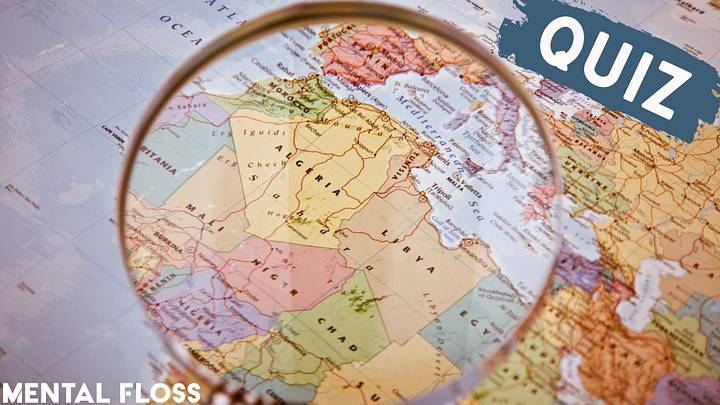
While we're on the topic of the hottest places on Earth, how many of these sweltering regions can you name? Could you list the top five? Most people miss at least one!
Hint: All five are on the same continent!
How many of the hottest countries on Earth were you able to list? A few of these countries have deserts, so they might have been easier to guess, but others likely didn’t cross your mind. Maybe some countries you expected to top the list didn’t make it. Regardless of your score, send this quiz to your friends to crown the true geography champion!
THE HOTTEST COUNTRIES ON EARTH
Mali

Mali tops the list as the hottest country in the world, with an average annual temperature of 85.2 degrees Fahrenheit in 2023.
Situated in West Africa, the country is landlocked and is split into 10 regions recognized for mining and agriculture. Due in large part to its abundance of salt and gold, Mali was once one of the world’s richest nations, according to World Atlas, a stark contrast to its present state of poverty. The equator even passes through Mali, and it’s the only country in the world that is home to the elephant fish (Mormyrops Oudoti). By 2040, Mali’s average temperature is predicted to rise by another 1.2 degrees Fahrenheit.
Senegal

Senegal comes in second, with an average annual temperature of 85 degrees Fahrenheit in 2023.
Located beside Mali in West Africa, Senegal is the westernmost country on the continent. Named after the Senegal River, it’s home to 15 million people. Though it faces challenges with poverty and access to health and education, Senegal is known as the only West African country that has never experienced a military coup. Unique features include its pink lake, Lac Rose, and taxi drivers who attach goat tails to their cars for good luck. By 2040, the temperature in Senegal is predicted to rise by 1.8 degrees Fahrenheit.
Burkina Faso

Burkina Faso is third on the list, with an average annual temperature of 84.8 degrees Fahrenheit in 2023.
Located in the center of West Africa, Burkina Faso forms part of the Sahel belt, where the Sahara Desert meets the savannas. The country is divided into thirteen regions, and while water resources are scarce, its lakes and rivers make farming and fishing in fertile valleys possible. Residents living in the north experience the driest conditions. By 2040, the temperature in Burkina Faso is expected to rise by 1.4 degrees Fahrenheit.
Djibouti

Djibouti ranks fourth, with an average annual temperature of 84.8 degrees Fahrenheit in 2023.
Located in the "horn" of Africa, Djibouti is mostly desert. By land area, it’s the third smallest country in Africa and is home to the 3,800-square-mile Danakil Depression, a terrestrial-looking desert valley with volcanoes and sulphur springs. Djibouti has one of the world’s highest unemployment rates and experiences severe poverty. Its national animal is the elk, and locals use East African juniper trees to build homes and furniture. By 2040, the temperature in Djibouti is predicted to rise by about 1.3 degrees Fahrenheit.
South Sudan

South Sudan rounds out the top five, with an average annual temperature of 84.6 degrees Fahrenheit in 2023.
Located in east-central Africa, South Sudan is bordered by Uganda, Ethiopia, Kenya, Sudan, the Central African Republic, and the Democratic Republic of the Congo. The middle portion of the country, called the Al Sudd, is a vast swamp surrounded by plateaus and inselbergs (isolated hills). South Sudan also has mountains, and its southernmost region is near the Nile River. The largest towns and cities, including the capital, Juba, are all found in the southern part of the country, and 80 percent of residents live below the national poverty line.
Test your knowledge further with Mental Floss's Quiz Around the World competition!