%20%20--%3E%0A%3Csvg%20version%3D%221.1%22%20id%3D%22Layer_1%22%20xmlns%3D%22http%3A%2F%2Fwww.w3.org%2F2000%2Fsvg%22%20xmlns%3Axlink%3D%22http%3A%2F%2Fwww.w3.org%2F1999%2Fxlink%22%20x%3D%220px%22%20y%3D%220px%22%0A%09%20viewBox%3D%220%200%20684.6%2068.1%22%20style%3D%22enable-background%3Anew%200%200%20684.6%2068.1%3B%22%20xml%3Aspace%3D%22preserve%22%3E%0A%3Cg%3E%0A%09%3Cpath%20d%3D%22M444.1%2C29.3h-17.4v14.5h17.4V29.3z%20M36.4%2C68.1l29.3-50.8V0H50.4L32.9%2C36.8L15.5%2C0H0v68.1h16.7V45.8l12.4%2C22.3H36.4z%0A%09%09%20M49.1%2C68.1h16.6V23.4L49.1%2C52.1V68.1z%20M76.6%2C68.1h45V53.8H93.3V41.6h21V27.1h-21V14.8h28.3V0.1h-45V68.1z%20M175.6%2C68.1h17.3v-68%0A%09%09h-16.5v40.3L150%2C0.1h-17.6v68h16.7V27.7L175.6%2C68.1z%20M235.8%2C14.8h15.4V0.1h-47.4v14.7H219v53.2h16.8V14.8z%20M290.3%2C45.9h-17.1%0A%09%09l7.5-15.6h2L290.3%2C45.9z%20M298.7%2C68.1h18l-32.2-68h-5.7l-32%2C68h18l3.3-7.1h27.1L298.7%2C68.1z%20M325.2%2C68.1h46.2V53.8h-29.6V0.1h-16.7%0A%09%09V68.1z%20M423.7%2C14.8h27.2V0.1H407v68h16.7V14.8z%20M462%2C68.1h46.2V53.8h-29.6V0.1H462V68.1z%20M564.8%2C34.1c0%2C10.7-7.2%2C19.2-18.5%2C19.2%0A%09%09c-11.4%2C0-18.5-8.5-18.5-19.2s7.1-19.2%2C18.5-19.2C557.6%2C14.9%2C564.8%2C23.4%2C564.8%2C34.1%20M580.6%2C34.1c0-19-14.2-34-34.3-34%0A%09%09c-20.2%2C0-34.3%2C15-34.3%2C34c0%2C19%2C14.1%2C34%2C34.3%2C34C566.4%2C68.1%2C580.6%2C53.1%2C580.6%2C34.1%20M604.8%2C20.5c0-4.1%2C3.3-6.2%2C6.7-6.2%0A%09%09c4.4%2C0%2C6.6%2C3%2C6.6%2C6.6h14.7C631.8%2C9.1%2C625.1%2C0.1%2C611%2C0.1c-12%2C0-21.7%2C9.3-21.7%2C20.6c0%2C10.9%2C5.9%2C15.9%2C16.7%2C19.8%0A%09%09c5.2%2C1.8%2C11.5%2C3.2%2C11.5%2C8c0%2C3.3-2.4%2C5.5-6.4%2C5.5c-3.6%2C0-6.6-3-6.6-6.7h-15.2c0%2C11.5%2C7.9%2C20.8%2C21.8%2C20.8c12%2C0%2C21.6-9.3%2C21.6-20.6%0A%09%09c0-10-5.3-16.4-16.7-19.8C610.6%2C26.1%2C604.8%2C25.3%2C604.8%2C20.5%20M670%2C20.9h14.7C683.8%2C9.1%2C677.1%2C0.1%2C663%2C0.1c-12%2C0-21.7%2C9.3-21.7%2C20.6%0A%09%09c0%2C10.9%2C5.9%2C15.9%2C16.7%2C19.8c5.2%2C1.8%2C11.5%2C3.2%2C11.5%2C8c0%2C3.3-2.4%2C5.5-6.4%2C5.5c-3.6%2C0-6.6-3-6.6-6.7h-15.2c0%2C11.5%2C7.9%2C20.8%2C21.8%2C20.8%0A%09%09c12%2C0%2C21.6-9.3%2C21.6-20.6c0-10-5.3-16.4-16.7-19.8c-5.4-1.6-11.3-2.4-11.3-7.2c0-4.1%2C3.3-6.2%2C6.7-6.2C667.7%2C14.4%2C670%2C17.3%2C670%2C20.9%0A%09%09%22%2F%3E%0A%3C%2Fg%3E%0A%3C%2Fsvg%3E%0A)

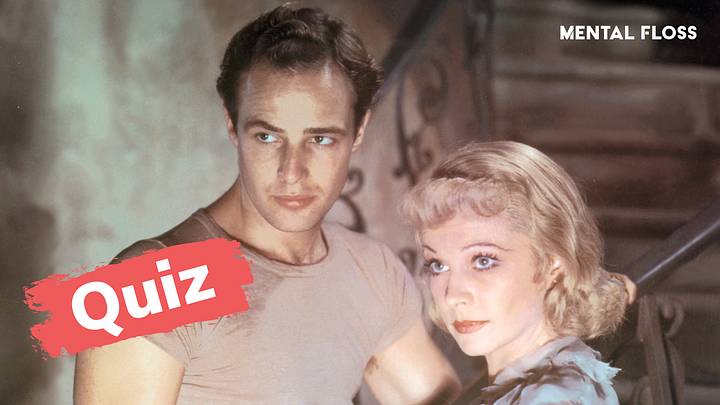
When it comes to movies of the past, the 1950s was an influential decade. More animated classics arrived, bringing magic to the storytelling for children, while adults saw a slow change from black and white movies to beautiful color. Just how well do you know the movies of the ’50s, though? We have a quiz that will give you one quote to match to the film.
It wasn’t easy, was it? There are so many excellent movies, and sometimes, those quotes feel like they could come from a variety of options. So, if you didn’t get all of the answers correct, you are not alone. If you did get a perfect score, you’re a total film buff, and we definitely think you should share this with your friends to see who can get the answers right the fastest.
Take More Movie & TV Quizzes:
The Evolution of the Movies of the ‘50s
The 1950s saw technical change, as there was a bigger threat to the industry than anyone thought possible: the television! More and more people were able to afford the small box in their living rooms, and that meant that a night out to the movie theaters wasn’t as popular. So, as theater audiences shrunk, Hollywood had to rethink its plan.
That meant the widescreen offering, whether it was Cinerama or VistaVision. Those panoramic views were nothing like what people could get at home, and they created more of a visual feast.
On top of that, there was the 3D craze. Okay, so the technology has grown considerably since the 1950s, but there’s something special about the visual effects of 1953’s House of Wax and 1952’s Bwana Devil.
This was also the time that vibrant color started to make a move into movie theaters. Home TV was still in black and white, and it meant that there was something more visually appealing to the masses by going out to watch a flick.
At the same time, the cultural norms started to shift. No longer did we need the polished and idealized portrayals of men and women. There was no longer a need to push for the perfection of characters from the World War II era, and that meant the introduction of the anti-hero. Flaws were allowed, and there was a push for more rebellious symbols— for the men more than the women, of course.
Sidney Poitier also rose to fame during this time period, as the 1950s saw major strides in representation. No, it wasn’t on the level it needed or deserved to be, but there was a push for more Black actors on the screen, and it helped to push the Civil Rights Movement forward.
Don’t forget to bookmark the Mental Floss quiz page, where we publish new challenges daily.