%20%20--%3E%0A%3Csvg%20version%3D%221.1%22%20id%3D%22Layer_1%22%20xmlns%3D%22http%3A%2F%2Fwww.w3.org%2F2000%2Fsvg%22%20xmlns%3Axlink%3D%22http%3A%2F%2Fwww.w3.org%2F1999%2Fxlink%22%20x%3D%220px%22%20y%3D%220px%22%0A%09%20viewBox%3D%220%200%20684.6%2068.1%22%20style%3D%22enable-background%3Anew%200%200%20684.6%2068.1%3B%22%20xml%3Aspace%3D%22preserve%22%3E%0A%3Cg%3E%0A%09%3Cpath%20d%3D%22M444.1%2C29.3h-17.4v14.5h17.4V29.3z%20M36.4%2C68.1l29.3-50.8V0H50.4L32.9%2C36.8L15.5%2C0H0v68.1h16.7V45.8l12.4%2C22.3H36.4z%0A%09%09%20M49.1%2C68.1h16.6V23.4L49.1%2C52.1V68.1z%20M76.6%2C68.1h45V53.8H93.3V41.6h21V27.1h-21V14.8h28.3V0.1h-45V68.1z%20M175.6%2C68.1h17.3v-68%0A%09%09h-16.5v40.3L150%2C0.1h-17.6v68h16.7V27.7L175.6%2C68.1z%20M235.8%2C14.8h15.4V0.1h-47.4v14.7H219v53.2h16.8V14.8z%20M290.3%2C45.9h-17.1%0A%09%09l7.5-15.6h2L290.3%2C45.9z%20M298.7%2C68.1h18l-32.2-68h-5.7l-32%2C68h18l3.3-7.1h27.1L298.7%2C68.1z%20M325.2%2C68.1h46.2V53.8h-29.6V0.1h-16.7%0A%09%09V68.1z%20M423.7%2C14.8h27.2V0.1H407v68h16.7V14.8z%20M462%2C68.1h46.2V53.8h-29.6V0.1H462V68.1z%20M564.8%2C34.1c0%2C10.7-7.2%2C19.2-18.5%2C19.2%0A%09%09c-11.4%2C0-18.5-8.5-18.5-19.2s7.1-19.2%2C18.5-19.2C557.6%2C14.9%2C564.8%2C23.4%2C564.8%2C34.1%20M580.6%2C34.1c0-19-14.2-34-34.3-34%0A%09%09c-20.2%2C0-34.3%2C15-34.3%2C34c0%2C19%2C14.1%2C34%2C34.3%2C34C566.4%2C68.1%2C580.6%2C53.1%2C580.6%2C34.1%20M604.8%2C20.5c0-4.1%2C3.3-6.2%2C6.7-6.2%0A%09%09c4.4%2C0%2C6.6%2C3%2C6.6%2C6.6h14.7C631.8%2C9.1%2C625.1%2C0.1%2C611%2C0.1c-12%2C0-21.7%2C9.3-21.7%2C20.6c0%2C10.9%2C5.9%2C15.9%2C16.7%2C19.8%0A%09%09c5.2%2C1.8%2C11.5%2C3.2%2C11.5%2C8c0%2C3.3-2.4%2C5.5-6.4%2C5.5c-3.6%2C0-6.6-3-6.6-6.7h-15.2c0%2C11.5%2C7.9%2C20.8%2C21.8%2C20.8c12%2C0%2C21.6-9.3%2C21.6-20.6%0A%09%09c0-10-5.3-16.4-16.7-19.8C610.6%2C26.1%2C604.8%2C25.3%2C604.8%2C20.5%20M670%2C20.9h14.7C683.8%2C9.1%2C677.1%2C0.1%2C663%2C0.1c-12%2C0-21.7%2C9.3-21.7%2C20.6%0A%09%09c0%2C10.9%2C5.9%2C15.9%2C16.7%2C19.8c5.2%2C1.8%2C11.5%2C3.2%2C11.5%2C8c0%2C3.3-2.4%2C5.5-6.4%2C5.5c-3.6%2C0-6.6-3-6.6-6.7h-15.2c0%2C11.5%2C7.9%2C20.8%2C21.8%2C20.8%0A%09%09c12%2C0%2C21.6-9.3%2C21.6-20.6c0-10-5.3-16.4-16.7-19.8c-5.4-1.6-11.3-2.4-11.3-7.2c0-4.1%2C3.3-6.2%2C6.7-6.2C667.7%2C14.4%2C670%2C17.3%2C670%2C20.9%0A%09%09%22%2F%3E%0A%3C%2Fg%3E%0A%3C%2Fsvg%3E%0A)

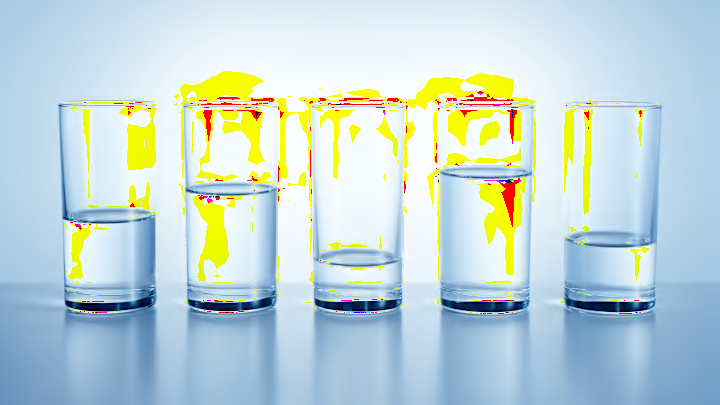
For decades, we’ve been told that we need to drink eight glasses of water a day, but is this advice truly science-backed or just a convenient guideline?
According to medical professionals at the Mayo Clinic, the real answer is less general and more personalized.
THE SCIENCE OF STAYING HYDRATED
Water isn't just for quenching thirst; it's the subtle savior of every bodily system. Your body is composed of approximately 50% to 70% water, and literally depends on it. Water helps regulate your body temperature, flushes out waste through sweat and urine, keeps joints lubricated, and supports every cell and organ in the body. Even slight dehydration from improper fluid intake can zap your energy and make basic bodily functions more difficult.
IT'S NOTHING PERSONAL (OR IS IT?)
There's no one-size-fits-all answer. Your needs depend on activity, climate, health, and diet. Still, experts recommend around 3.7 liters (15.5 cups) of fluids per day for men and 2.7 liters (11.5 cups) for women.
Those amounts account for all fluids you consume (not just plain water), including beverages and water-rich foods like broth, melon, and greens. This total far exceeds the old “eight 8-ounce glasses” guideline (which equals 64 ounces). Still, for many people, aiming for eight glasses remains a simple and practical starting point.
TAKE SMARTER SIPS
Your recommended daily fluid intake can increase depending on your circumstances.
Activity: When you sweat, you lose water, and replacing it before, during, and after a workout matters.
Heat: The hotter it is outside, the more you sweat. The more you sweat, the more hydration your body requires.
Sickness: Fever, vomiting, diarrhea, or certain medical conditions can increase your fluid needs.
Pregnancy and Breastfeeding: Your body is supporting two systems; therefore, your water intake should be higher.
So, while the baseline is useful, listen to your own body, especially when changes in activity or weather increase your hydration needs.
WHEN YOU KNOW, YOU KNOW
Instead of obsessing over a glass count, Mayo Clinic suggests simple, real-world markers. You're likely drinking enough water if you rarely feel thirsty, and if your urine is light yellow or nearly clear. These simple cues are often more reliable indicators of your hydration status than any formula.
There is such a thing as drinking too much water. "Hyponatremia" occurs when you consume excessive amounts of water, overwhelming your kidneys and decreasing the sodium levels in your blood. Although it can be life-threatening, hyponatremia is very rare.
GLASS HALF FULL
So, how much water should you drink every day? Put simply, enough to support your body's functions, adjusted for your lifestyle and environment (yes, it's probably more than eight). But don't panic, your body will give you clues if something is wrong. When in doubt, let thirst, pale urine, and daily activity be your guide.
That way, every sip counts, and you get the health benefits without overthinking the exact amount.