%20%20--%3E%0A%3Csvg%20version%3D%221.1%22%20id%3D%22Layer_1%22%20xmlns%3D%22http%3A%2F%2Fwww.w3.org%2F2000%2Fsvg%22%20xmlns%3Axlink%3D%22http%3A%2F%2Fwww.w3.org%2F1999%2Fxlink%22%20x%3D%220px%22%20y%3D%220px%22%0A%09%20viewBox%3D%220%200%20684.6%2068.1%22%20style%3D%22enable-background%3Anew%200%200%20684.6%2068.1%3B%22%20xml%3Aspace%3D%22preserve%22%3E%0A%3Cg%3E%0A%09%3Cpath%20d%3D%22M444.1%2C29.3h-17.4v14.5h17.4V29.3z%20M36.4%2C68.1l29.3-50.8V0H50.4L32.9%2C36.8L15.5%2C0H0v68.1h16.7V45.8l12.4%2C22.3H36.4z%0A%09%09%20M49.1%2C68.1h16.6V23.4L49.1%2C52.1V68.1z%20M76.6%2C68.1h45V53.8H93.3V41.6h21V27.1h-21V14.8h28.3V0.1h-45V68.1z%20M175.6%2C68.1h17.3v-68%0A%09%09h-16.5v40.3L150%2C0.1h-17.6v68h16.7V27.7L175.6%2C68.1z%20M235.8%2C14.8h15.4V0.1h-47.4v14.7H219v53.2h16.8V14.8z%20M290.3%2C45.9h-17.1%0A%09%09l7.5-15.6h2L290.3%2C45.9z%20M298.7%2C68.1h18l-32.2-68h-5.7l-32%2C68h18l3.3-7.1h27.1L298.7%2C68.1z%20M325.2%2C68.1h46.2V53.8h-29.6V0.1h-16.7%0A%09%09V68.1z%20M423.7%2C14.8h27.2V0.1H407v68h16.7V14.8z%20M462%2C68.1h46.2V53.8h-29.6V0.1H462V68.1z%20M564.8%2C34.1c0%2C10.7-7.2%2C19.2-18.5%2C19.2%0A%09%09c-11.4%2C0-18.5-8.5-18.5-19.2s7.1-19.2%2C18.5-19.2C557.6%2C14.9%2C564.8%2C23.4%2C564.8%2C34.1%20M580.6%2C34.1c0-19-14.2-34-34.3-34%0A%09%09c-20.2%2C0-34.3%2C15-34.3%2C34c0%2C19%2C14.1%2C34%2C34.3%2C34C566.4%2C68.1%2C580.6%2C53.1%2C580.6%2C34.1%20M604.8%2C20.5c0-4.1%2C3.3-6.2%2C6.7-6.2%0A%09%09c4.4%2C0%2C6.6%2C3%2C6.6%2C6.6h14.7C631.8%2C9.1%2C625.1%2C0.1%2C611%2C0.1c-12%2C0-21.7%2C9.3-21.7%2C20.6c0%2C10.9%2C5.9%2C15.9%2C16.7%2C19.8%0A%09%09c5.2%2C1.8%2C11.5%2C3.2%2C11.5%2C8c0%2C3.3-2.4%2C5.5-6.4%2C5.5c-3.6%2C0-6.6-3-6.6-6.7h-15.2c0%2C11.5%2C7.9%2C20.8%2C21.8%2C20.8c12%2C0%2C21.6-9.3%2C21.6-20.6%0A%09%09c0-10-5.3-16.4-16.7-19.8C610.6%2C26.1%2C604.8%2C25.3%2C604.8%2C20.5%20M670%2C20.9h14.7C683.8%2C9.1%2C677.1%2C0.1%2C663%2C0.1c-12%2C0-21.7%2C9.3-21.7%2C20.6%0A%09%09c0%2C10.9%2C5.9%2C15.9%2C16.7%2C19.8c5.2%2C1.8%2C11.5%2C3.2%2C11.5%2C8c0%2C3.3-2.4%2C5.5-6.4%2C5.5c-3.6%2C0-6.6-3-6.6-6.7h-15.2c0%2C11.5%2C7.9%2C20.8%2C21.8%2C20.8%0A%09%09c12%2C0%2C21.6-9.3%2C21.6-20.6c0-10-5.3-16.4-16.7-19.8c-5.4-1.6-11.3-2.4-11.3-7.2c0-4.1%2C3.3-6.2%2C6.7-6.2C667.7%2C14.4%2C670%2C17.3%2C670%2C20.9%0A%09%09%22%2F%3E%0A%3C%2Fg%3E%0A%3C%2Fsvg%3E%0A)

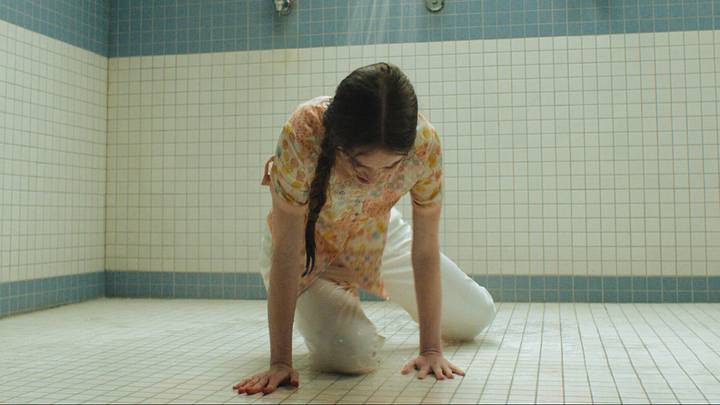
If we’re talking the movie version, where someone slides a glass across a table or slams a door by staring at it, the answer is no: no one has proven telekinesis under conditions a scientist would sign off on. But it isn’t for lack of trying: American universities have been studying psychokinesis—what it’s also known as in the field—since the early 20th century. What they’ve found is smaller and stranger than anything you might see in Mike Flanagan’s new Carrie adaptation.
Early researchers asked volunteers to influence how dice fell, and later ones swapped the dice for random number generators, machines that spit out an unpredictable string of ones and zeros that a person could try to nudge.
The Most Notable Research

In 2006, researchers Holger Bösch, Fiona Steinkamp, and Emil Boller pooled 380 of those studies in a meta-analysis for Psychological Bulletin. They did find an effect, statistically significant but very small, and the pattern around it was the problem: the smaller the study, the bigger the effect, and the results swung wildly from one study to the next.
A simulation showed that all three features could in principle come from publication bias, where the small studies that happened to look impressive got published and the ones that found nothing stayed in a drawer.
The most famous lab to try was in the basement of Princeton’s engineering school. The Princeton Engineering Anomalies Research lab, or PEAR, was founded in 1979 by Robert Jahn, then the dean of engineering, and ran random event generators for 28 years. Lab manager Brenda Dunne described the machine to NPR this way: “Imagine flipping a coin 1,000 times a second and looking at 200 such flips and seeing how many heads you’ve gotten.”
Volunteers tried to push the count high or low, and PEAR reported that its benchmark experiment, 2.5 million trials by 91 operators over 12 years, beat chance at odds of about 15,000 to 1. Then PEAR joined labs in Giessen and Freiburg, Germany, to run the same experiment with the same software, hardware and protocol, and on its primary measure the replication failed: all three labs saw positive but nonsignificant trends. PEAR closed in 2007, its findings largely rejected by the scientific community.
Still Nothing Conclusive

The most public test was run by the magician James Randi. In 1964, after a parapsychologist on a radio panel told him to put his money where his mouth was, Randi offered $1,000 of his own to anyone who could prove a paranormal ability, and by 1996, with backing from internet entrepreneur Rick Adams, the prize was $1 million. His foundation said more than 1,000 people applied, and nobody collected before the challenge ended in 2015.
Physicists have a more basic objection. Sean Carroll laid it out in 2008 using a spoon, which is made of up and down quarks, gluons, electrons and photons, and nothing else. Only two known forces reach far enough to move an object that size, gravity and electromagnetism, and neither works: the gravity from the arrangement of particles in your brain is far too feeble, and an electromagnetic field strong enough to bend a spoon would be laughably easy to detect.
A new, undiscovered force is possible, Carroll allowed, but existing experiments limit any such force to a range of less than a millimeter or a strength much weaker than gravity.
There is one way to move things with your mind, and it runs through a wire. In 2012, researchers in the BrainGate2 trial reported in Nature that two people paralyzed by strokes had steered robotic arms using implants of almost 100 hair-thin electrodes in the motor cortex.
One of them, identified as Cathy, used a robot arm to lift a bottle of coffee to her lips and drink for the first time in 15 years, and she managed it in four of six tries. The signal goes through electrodes, a decoder and a motor, so it isn’t telekinesis, but it’s the only version of mind over matter that has held up in peer review.