%20%20--%3E%0A%3Csvg%20version%3D%221.1%22%20id%3D%22Layer_1%22%20xmlns%3D%22http%3A%2F%2Fwww.w3.org%2F2000%2Fsvg%22%20xmlns%3Axlink%3D%22http%3A%2F%2Fwww.w3.org%2F1999%2Fxlink%22%20x%3D%220px%22%20y%3D%220px%22%0A%09%20viewBox%3D%220%200%20684.6%2068.1%22%20style%3D%22enable-background%3Anew%200%200%20684.6%2068.1%3B%22%20xml%3Aspace%3D%22preserve%22%3E%0A%3Cg%3E%0A%09%3Cpath%20d%3D%22M444.1%2C29.3h-17.4v14.5h17.4V29.3z%20M36.4%2C68.1l29.3-50.8V0H50.4L32.9%2C36.8L15.5%2C0H0v68.1h16.7V45.8l12.4%2C22.3H36.4z%0A%09%09%20M49.1%2C68.1h16.6V23.4L49.1%2C52.1V68.1z%20M76.6%2C68.1h45V53.8H93.3V41.6h21V27.1h-21V14.8h28.3V0.1h-45V68.1z%20M175.6%2C68.1h17.3v-68%0A%09%09h-16.5v40.3L150%2C0.1h-17.6v68h16.7V27.7L175.6%2C68.1z%20M235.8%2C14.8h15.4V0.1h-47.4v14.7H219v53.2h16.8V14.8z%20M290.3%2C45.9h-17.1%0A%09%09l7.5-15.6h2L290.3%2C45.9z%20M298.7%2C68.1h18l-32.2-68h-5.7l-32%2C68h18l3.3-7.1h27.1L298.7%2C68.1z%20M325.2%2C68.1h46.2V53.8h-29.6V0.1h-16.7%0A%09%09V68.1z%20M423.7%2C14.8h27.2V0.1H407v68h16.7V14.8z%20M462%2C68.1h46.2V53.8h-29.6V0.1H462V68.1z%20M564.8%2C34.1c0%2C10.7-7.2%2C19.2-18.5%2C19.2%0A%09%09c-11.4%2C0-18.5-8.5-18.5-19.2s7.1-19.2%2C18.5-19.2C557.6%2C14.9%2C564.8%2C23.4%2C564.8%2C34.1%20M580.6%2C34.1c0-19-14.2-34-34.3-34%0A%09%09c-20.2%2C0-34.3%2C15-34.3%2C34c0%2C19%2C14.1%2C34%2C34.3%2C34C566.4%2C68.1%2C580.6%2C53.1%2C580.6%2C34.1%20M604.8%2C20.5c0-4.1%2C3.3-6.2%2C6.7-6.2%0A%09%09c4.4%2C0%2C6.6%2C3%2C6.6%2C6.6h14.7C631.8%2C9.1%2C625.1%2C0.1%2C611%2C0.1c-12%2C0-21.7%2C9.3-21.7%2C20.6c0%2C10.9%2C5.9%2C15.9%2C16.7%2C19.8%0A%09%09c5.2%2C1.8%2C11.5%2C3.2%2C11.5%2C8c0%2C3.3-2.4%2C5.5-6.4%2C5.5c-3.6%2C0-6.6-3-6.6-6.7h-15.2c0%2C11.5%2C7.9%2C20.8%2C21.8%2C20.8c12%2C0%2C21.6-9.3%2C21.6-20.6%0A%09%09c0-10-5.3-16.4-16.7-19.8C610.6%2C26.1%2C604.8%2C25.3%2C604.8%2C20.5%20M670%2C20.9h14.7C683.8%2C9.1%2C677.1%2C0.1%2C663%2C0.1c-12%2C0-21.7%2C9.3-21.7%2C20.6%0A%09%09c0%2C10.9%2C5.9%2C15.9%2C16.7%2C19.8c5.2%2C1.8%2C11.5%2C3.2%2C11.5%2C8c0%2C3.3-2.4%2C5.5-6.4%2C5.5c-3.6%2C0-6.6-3-6.6-6.7h-15.2c0%2C11.5%2C7.9%2C20.8%2C21.8%2C20.8%0A%09%09c12%2C0%2C21.6-9.3%2C21.6-20.6c0-10-5.3-16.4-16.7-19.8c-5.4-1.6-11.3-2.4-11.3-7.2c0-4.1%2C3.3-6.2%2C6.7-6.2C667.7%2C14.4%2C670%2C17.3%2C670%2C20.9%0A%09%09%22%2F%3E%0A%3C%2Fg%3E%0A%3C%2Fsvg%3E%0A)

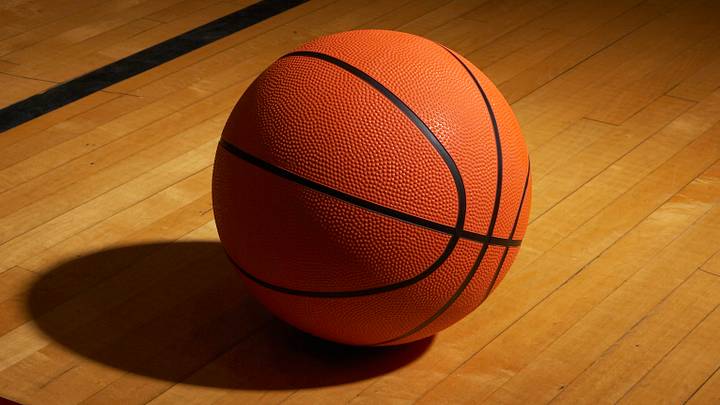
Basketball was invented by a YMCA physical education instructor named James Naismith in Springfield, Massachusetts, in 1891 (making it the only sport whose origins are entirely rooted in the modern United States).
Naismith, who was trying to find a new game that could be played indoors in autumn and winter, likewise wanted a sport that could be played by teams and would be just as enjoyable, yet safer and less rough, than football. His answer was a game that has since gone on to become one of both America and the wider world’s most popular team sports, played globally by almost half a billion people.
The First Basketballs

In the nearly 150 years since Naismith conceived the sport, some things have understandably changed about basketball. The original baskets, for instance, were actual peach baskets that Naismith nailed to the top of a high pole. The original ball, meanwhile, was a dark brown laced leather soccer ball simply repurposed for the game Naismith had invented.
A specific basketball—slightly larger and lighter than a soccer ball—was introduced two years later, but like the soccer ball it replaced, it too was rather hard, made of dark leather, and kept together with fabric laces. Those laces made the ball’s bounce erratic and unpredictable, and inconsistent rules and standards around the U.S. meant that the balls used by different teams and venues were often different sizes too.
For the sport to progress, and players to be able to play with consistent kit no matter where they were, further changes would clearly have to be made.
The Basketball Gets a Makeover
The rubber, leather, or synthetic molded balls now used to play basketball—the introduction of which did away with flawed laces of the past—arrived in the late 1940s, becoming a standard size and weight in 1949. The following decade, however, one last change was made to the ball that was the brainchild of another legendary physical education teacher, Chicago’s Paul “Tony” Hinkle.
Hinkle was a star player and later coach in a number of sports in Chicago, but it is for his contribution to basketball that he is arguably best remembered today. By the 1950s, he was working on the coaching staff at Butler University in Indianapolis, having first taken over the basketball program there in 1926.
Why Basketballs Became Orange

More than 30 years later, Hinkle conceived an improvement to the game that would make its fast-paced action easier to follow for fans and players alike. The rubber molded balls that had been introduced to the sport the previous decade were, he decided, to be made bright orange.
Although rubber balls had replaced leather soccer balls the previous decade, the balls had been kept the same rather dull, dark brown color. This could make them difficult to see both on the court among the players and from the stands by spectators.
Hinkle’s simple idea, ultimately, was to replace the dark brown ball with a bright orange one that would make it far more visible during play. The idea was a success, and the standard orange ball was quickly adopted by teams, venues, and competitions across the U.S. and beyond.
Although different franchises, leagues, and contests have occasionally opted for different colors and patterns, the standard orange ball remains popular today, allowing players, fans, and viewers at home to keep track of the game no matter how fast the gameplay.