%20%20--%3E%0A%3Csvg%20version%3D%221.1%22%20id%3D%22Layer_1%22%20xmlns%3D%22http%3A%2F%2Fwww.w3.org%2F2000%2Fsvg%22%20xmlns%3Axlink%3D%22http%3A%2F%2Fwww.w3.org%2F1999%2Fxlink%22%20x%3D%220px%22%20y%3D%220px%22%0A%09%20viewBox%3D%220%200%20684.6%2068.1%22%20style%3D%22enable-background%3Anew%200%200%20684.6%2068.1%3B%22%20xml%3Aspace%3D%22preserve%22%3E%0A%3Cg%3E%0A%09%3Cpath%20d%3D%22M444.1%2C29.3h-17.4v14.5h17.4V29.3z%20M36.4%2C68.1l29.3-50.8V0H50.4L32.9%2C36.8L15.5%2C0H0v68.1h16.7V45.8l12.4%2C22.3H36.4z%0A%09%09%20M49.1%2C68.1h16.6V23.4L49.1%2C52.1V68.1z%20M76.6%2C68.1h45V53.8H93.3V41.6h21V27.1h-21V14.8h28.3V0.1h-45V68.1z%20M175.6%2C68.1h17.3v-68%0A%09%09h-16.5v40.3L150%2C0.1h-17.6v68h16.7V27.7L175.6%2C68.1z%20M235.8%2C14.8h15.4V0.1h-47.4v14.7H219v53.2h16.8V14.8z%20M290.3%2C45.9h-17.1%0A%09%09l7.5-15.6h2L290.3%2C45.9z%20M298.7%2C68.1h18l-32.2-68h-5.7l-32%2C68h18l3.3-7.1h27.1L298.7%2C68.1z%20M325.2%2C68.1h46.2V53.8h-29.6V0.1h-16.7%0A%09%09V68.1z%20M423.7%2C14.8h27.2V0.1H407v68h16.7V14.8z%20M462%2C68.1h46.2V53.8h-29.6V0.1H462V68.1z%20M564.8%2C34.1c0%2C10.7-7.2%2C19.2-18.5%2C19.2%0A%09%09c-11.4%2C0-18.5-8.5-18.5-19.2s7.1-19.2%2C18.5-19.2C557.6%2C14.9%2C564.8%2C23.4%2C564.8%2C34.1%20M580.6%2C34.1c0-19-14.2-34-34.3-34%0A%09%09c-20.2%2C0-34.3%2C15-34.3%2C34c0%2C19%2C14.1%2C34%2C34.3%2C34C566.4%2C68.1%2C580.6%2C53.1%2C580.6%2C34.1%20M604.8%2C20.5c0-4.1%2C3.3-6.2%2C6.7-6.2%0A%09%09c4.4%2C0%2C6.6%2C3%2C6.6%2C6.6h14.7C631.8%2C9.1%2C625.1%2C0.1%2C611%2C0.1c-12%2C0-21.7%2C9.3-21.7%2C20.6c0%2C10.9%2C5.9%2C15.9%2C16.7%2C19.8%0A%09%09c5.2%2C1.8%2C11.5%2C3.2%2C11.5%2C8c0%2C3.3-2.4%2C5.5-6.4%2C5.5c-3.6%2C0-6.6-3-6.6-6.7h-15.2c0%2C11.5%2C7.9%2C20.8%2C21.8%2C20.8c12%2C0%2C21.6-9.3%2C21.6-20.6%0A%09%09c0-10-5.3-16.4-16.7-19.8C610.6%2C26.1%2C604.8%2C25.3%2C604.8%2C20.5%20M670%2C20.9h14.7C683.8%2C9.1%2C677.1%2C0.1%2C663%2C0.1c-12%2C0-21.7%2C9.3-21.7%2C20.6%0A%09%09c0%2C10.9%2C5.9%2C15.9%2C16.7%2C19.8c5.2%2C1.8%2C11.5%2C3.2%2C11.5%2C8c0%2C3.3-2.4%2C5.5-6.4%2C5.5c-3.6%2C0-6.6-3-6.6-6.7h-15.2c0%2C11.5%2C7.9%2C20.8%2C21.8%2C20.8%0A%09%09c12%2C0%2C21.6-9.3%2C21.6-20.6c0-10-5.3-16.4-16.7-19.8c-5.4-1.6-11.3-2.4-11.3-7.2c0-4.1%2C3.3-6.2%2C6.7-6.2C667.7%2C14.4%2C670%2C17.3%2C670%2C20.9%0A%09%09%22%2F%3E%0A%3C%2Fg%3E%0A%3C%2Fsvg%3E%0A)

As the phrase coined by former player-turned TV pundit Jimmy Greaves goes: “football—it's a funny old game.” These days, it's certainly a hotly contested one too. Over the last few decades, soccer (or football) has become big business, with players earning millions, billionaire club ownership , and more matches played than ever before. This year's World Cup, which sees national teams from all over the globe compete to be the best of the best, will be the largest ever organized.
While passions understandably erupt in any sport, soccer doesn't have a reputation for violence, at least on the field. This is why rare occurrences of such have become enshrined in soccer lore. See, for example, French great Eric Cantona's astonishing two-footed assault on a spectator in 1995, Newcastle United teammates Lee Bowyer and Kieron Dyer coming to blows ten years later, or the downright viciousness of the 1970 FA Cup Final, in which Leeds United and Chelsea went to war.
None of the above-mentioned incidents, however, comes close to matching the game that would come to be known as “The Battle of Santiago.” The year was 1962, the occasion was the seventh FIFA World Cup, and the location was the capital and largest city in Chile: Santiago. On June 2nd, the hosts, Chile, took to the field to face their great rivals, Italy. Both teams were desperate for a win in order to progress from the initial group stage to the knockout rounds. Sixty thousand home fans packed the stadium to watch a match that had become, for the entire country, a matter of pride.
Before Kickoff

Six years previously, Chile had managed to secure the vote to host the 1962 tournament, and preparations had proceeded smoothly until 1960, when a terrible natural disaster struck. On May 22 that year, the Valdivia earthquake ravaged the country, killing thousands, destroying the economy, and ruining half of Chile's World Cup stadiums. Rebuilding the country in time for the 1962 competition drew the nation together.
Shortly before the tournament began, however, two Italian journalists, Antonio Ghirelli and Corrado Pizzinelli, started a metaphorical fire that swiftly became an inferno. Writing in La Nazione and Corriere della Sera, they described Chile as a slum country, a backwater, stating that Santiago in particular was terrible. It was, they wrote, a place where “entire neighborhoods are given over to open prostitution.”
The Battle of Santiago

As a result, even before the Chile versus Italy match kicked off, passions were high. Within twelve seconds of the start, the game's first foul was committed. Things only deteriorated from there. Over ninety minutes, two players were sent off, countless punches were thrown, and police were called onto the field to intervene on no less than four occasions. So bad did things get that BBC commentator David Coleman would later describe the match as being "…the most stupid, appalling, disgusting and disgraceful exhibition of football in the history of the game."
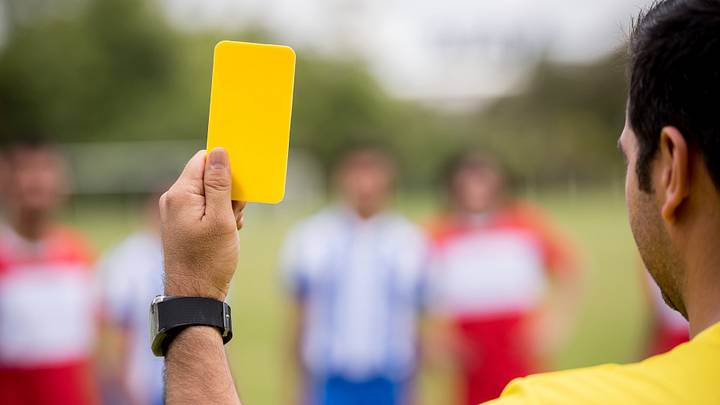
The besieged referee at the heart of the storm was an English former soldier named Ken Aston. Aston, understandably, was left shaken by these events and, four years later, successfully introduced the now-standard yellow and red card system—an easily understood penalty method which has gone a great way to ensuring such dark scenes never again occur on a soccer field.