%20%20--%3E%0A%3Csvg%20version%3D%221.1%22%20id%3D%22Layer_1%22%20xmlns%3D%22http%3A%2F%2Fwww.w3.org%2F2000%2Fsvg%22%20xmlns%3Axlink%3D%22http%3A%2F%2Fwww.w3.org%2F1999%2Fxlink%22%20x%3D%220px%22%20y%3D%220px%22%0A%09%20viewBox%3D%220%200%20684.6%2068.1%22%20style%3D%22enable-background%3Anew%200%200%20684.6%2068.1%3B%22%20xml%3Aspace%3D%22preserve%22%3E%0A%3Cg%3E%0A%09%3Cpath%20d%3D%22M444.1%2C29.3h-17.4v14.5h17.4V29.3z%20M36.4%2C68.1l29.3-50.8V0H50.4L32.9%2C36.8L15.5%2C0H0v68.1h16.7V45.8l12.4%2C22.3H36.4z%0A%09%09%20M49.1%2C68.1h16.6V23.4L49.1%2C52.1V68.1z%20M76.6%2C68.1h45V53.8H93.3V41.6h21V27.1h-21V14.8h28.3V0.1h-45V68.1z%20M175.6%2C68.1h17.3v-68%0A%09%09h-16.5v40.3L150%2C0.1h-17.6v68h16.7V27.7L175.6%2C68.1z%20M235.8%2C14.8h15.4V0.1h-47.4v14.7H219v53.2h16.8V14.8z%20M290.3%2C45.9h-17.1%0A%09%09l7.5-15.6h2L290.3%2C45.9z%20M298.7%2C68.1h18l-32.2-68h-5.7l-32%2C68h18l3.3-7.1h27.1L298.7%2C68.1z%20M325.2%2C68.1h46.2V53.8h-29.6V0.1h-16.7%0A%09%09V68.1z%20M423.7%2C14.8h27.2V0.1H407v68h16.7V14.8z%20M462%2C68.1h46.2V53.8h-29.6V0.1H462V68.1z%20M564.8%2C34.1c0%2C10.7-7.2%2C19.2-18.5%2C19.2%0A%09%09c-11.4%2C0-18.5-8.5-18.5-19.2s7.1-19.2%2C18.5-19.2C557.6%2C14.9%2C564.8%2C23.4%2C564.8%2C34.1%20M580.6%2C34.1c0-19-14.2-34-34.3-34%0A%09%09c-20.2%2C0-34.3%2C15-34.3%2C34c0%2C19%2C14.1%2C34%2C34.3%2C34C566.4%2C68.1%2C580.6%2C53.1%2C580.6%2C34.1%20M604.8%2C20.5c0-4.1%2C3.3-6.2%2C6.7-6.2%0A%09%09c4.4%2C0%2C6.6%2C3%2C6.6%2C6.6h14.7C631.8%2C9.1%2C625.1%2C0.1%2C611%2C0.1c-12%2C0-21.7%2C9.3-21.7%2C20.6c0%2C10.9%2C5.9%2C15.9%2C16.7%2C19.8%0A%09%09c5.2%2C1.8%2C11.5%2C3.2%2C11.5%2C8c0%2C3.3-2.4%2C5.5-6.4%2C5.5c-3.6%2C0-6.6-3-6.6-6.7h-15.2c0%2C11.5%2C7.9%2C20.8%2C21.8%2C20.8c12%2C0%2C21.6-9.3%2C21.6-20.6%0A%09%09c0-10-5.3-16.4-16.7-19.8C610.6%2C26.1%2C604.8%2C25.3%2C604.8%2C20.5%20M670%2C20.9h14.7C683.8%2C9.1%2C677.1%2C0.1%2C663%2C0.1c-12%2C0-21.7%2C9.3-21.7%2C20.6%0A%09%09c0%2C10.9%2C5.9%2C15.9%2C16.7%2C19.8c5.2%2C1.8%2C11.5%2C3.2%2C11.5%2C8c0%2C3.3-2.4%2C5.5-6.4%2C5.5c-3.6%2C0-6.6-3-6.6-6.7h-15.2c0%2C11.5%2C7.9%2C20.8%2C21.8%2C20.8%0A%09%09c12%2C0%2C21.6-9.3%2C21.6-20.6c0-10-5.3-16.4-16.7-19.8c-5.4-1.6-11.3-2.4-11.3-7.2c0-4.1%2C3.3-6.2%2C6.7-6.2C667.7%2C14.4%2C670%2C17.3%2C670%2C20.9%0A%09%09%22%2F%3E%0A%3C%2Fg%3E%0A%3C%2Fsvg%3E%0A)

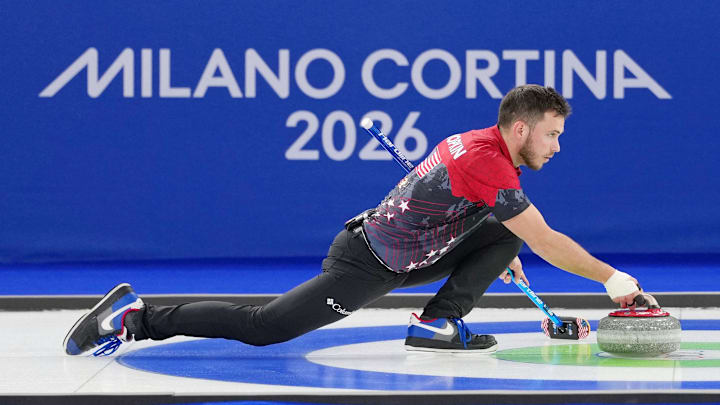
This month marks the first time in the 130-year history of the Olympics that there are two official host cities: The bustling metropolis of Milan and the alpine resort town of Cortina d’Ampezzo (often called Cortina).
Both Italian cities might have had a strong case to make it as a sole Olympic host in earlier times. However, we might be reaching the point where no one city can realistically handle the demands of the Winter Olympics as they exist today.
Let’s start with Cortina: Cortina is an Alpine resort town located in the Ampezzo Dolomites (hence the long version of the name). It boasts a large lodging capacity, top-tier amenities, and challenging terrain for both Nordic and downhill events. What’s more, the city has already hosted the Winter Olympics in 1956.

While larger metropolises always have more amenities and infrastructure, smaller cities have been able to supply everything the games needed. Ice skating rings, cross-country courses, and slopes covered the vast majority of events.
All that was needed was to build a bobsled track (to be shared with luge when it was introduced in 1964) and a ski jumping ramp, and voila! It also made sense because the elevation of these towns would ensure that the requisite cold and snowfall were likely for the facilities before modern methods of snowmaking entered the scene.
Why Just One City Won’t Cut It
But here’s the catch. In the 1956 Olympics, there were 821 athletes, along with much smaller media, sponsor, and staffing contingents. This Winter Olympics, 2,916 athletes are participating. If one counts the lodging, the town has a winter capacity of 40,000. Easily enough to accommodate the athletes today, right?
Not exactly. On top of the athletes, the television operations of the event have expanded greatly.
According to the IOC reports, there were 8,100 accredited reporters, over 12,000 accredited coaches and support staff in the 2022 Beijing Winter Olympics, and around 1.2 million spectators at the 2018 PyeongChang Winter Olympics (Beijing did not have a traditional spectator set-up, so we’re going back one more).
But what would happen if a host city decided, “Well, even if this city is pushed to capacity, let’s go for it!”? It isn’t that easy. The biggest risk to derailing Olympic bids is referendums from unhappy citizens. In 1970, Denver won the bid to host the 1976 Olympics. The Mile High City was already two years into the planning process when the city’s voters rejected a ballot referendum that would have given the games the requisite funding. The city had to withdraw, and the games moved to Innsbruck, Austria, as a result.
Increasingly, the games are in a state of crisis, with cities jumping ship all over the place. As the International Olympic Committee has refused to budge on sharing the costs, the price tags on the Olympics have seemed unappealing to most denizens and city governments as well.

In 2022, three of the six candidate cities—Oslo, Stockholm, and Krakow—pulled out due to concerns about the high costs. By the time Lviv, Ukraine, pulled out due to internal conflicts, the IOC was forced to choose between two potential hosts—Beijing and Almaty—with problematic human rights records and unideal winter conditions. This was when some might remember TV comedian John Oliver famously offered to bid for his studio as an Olympics host.
Price tags for the games since 1988 have ranged from $1.2 billion in 1998 to $8.7 billion for the 2022 Olympics. While proponents of the games argue that the investments spent on the games can enhance the city’s facilities and infrastructure, it’s debatable that this is always the case. It does help that certain countries like Russia and China have gleefully overspent on the games because they see it as a form of propaganda.
Why These Two Cities Specifically?
Which brings us to Milan and Cortina joining forces. Both cities can benefit from the publicity from the Olympics while spreading out the cost and infrastructure demands.
Milan has the country’s third-largest tourism industry. It is a hub of modern urban design, fashion, and art. With a population of over 3 million people, it is more than equipped to handle the tourism rush. However, it is more than 250 miles from the mountains, which leads to inconveniences in infrastructure, lodging, and lag times for athletes. This has plagued other Olympics in which there were massive distances between the primary metropolis and the centers of alpine activity.

Meanwhile, Cortina boasts such striking beauty that it was cited by Ernest Hemingway as “one of the most beautiful places on Earth” and can draw attention to that particular portion of the Dolomites (as opposed to other mountain ranges within the country).
Additionally, the games will be hosted in a sprawling area of 22,000 square kilometers, which will allow 11 of 13 venues to be built from existing infrastructure—a higher reusage rate than any previous Olympics. Environmental sustainability, after all, was one of the main reasons that derailed the Denver bid in the 1970s.
If the idea of two host cities sounds funny to you, consider that it will lead to a more environmentally friendly Games, a better athlete experience, and, more importantly, two parallel opening ceremonies.
Love trivia? Pre-order Mental Floss’s new trivia game, Brain Brawl, on Amazon and Barnes and Noble.