%20%20--%3E%0A%3Csvg%20version%3D%221.1%22%20id%3D%22Layer_1%22%20xmlns%3D%22http%3A%2F%2Fwww.w3.org%2F2000%2Fsvg%22%20xmlns%3Axlink%3D%22http%3A%2F%2Fwww.w3.org%2F1999%2Fxlink%22%20x%3D%220px%22%20y%3D%220px%22%0A%09%20viewBox%3D%220%200%20684.6%2068.1%22%20style%3D%22enable-background%3Anew%200%200%20684.6%2068.1%3B%22%20xml%3Aspace%3D%22preserve%22%3E%0A%3Cg%3E%0A%09%3Cpath%20d%3D%22M444.1%2C29.3h-17.4v14.5h17.4V29.3z%20M36.4%2C68.1l29.3-50.8V0H50.4L32.9%2C36.8L15.5%2C0H0v68.1h16.7V45.8l12.4%2C22.3H36.4z%0A%09%09%20M49.1%2C68.1h16.6V23.4L49.1%2C52.1V68.1z%20M76.6%2C68.1h45V53.8H93.3V41.6h21V27.1h-21V14.8h28.3V0.1h-45V68.1z%20M175.6%2C68.1h17.3v-68%0A%09%09h-16.5v40.3L150%2C0.1h-17.6v68h16.7V27.7L175.6%2C68.1z%20M235.8%2C14.8h15.4V0.1h-47.4v14.7H219v53.2h16.8V14.8z%20M290.3%2C45.9h-17.1%0A%09%09l7.5-15.6h2L290.3%2C45.9z%20M298.7%2C68.1h18l-32.2-68h-5.7l-32%2C68h18l3.3-7.1h27.1L298.7%2C68.1z%20M325.2%2C68.1h46.2V53.8h-29.6V0.1h-16.7%0A%09%09V68.1z%20M423.7%2C14.8h27.2V0.1H407v68h16.7V14.8z%20M462%2C68.1h46.2V53.8h-29.6V0.1H462V68.1z%20M564.8%2C34.1c0%2C10.7-7.2%2C19.2-18.5%2C19.2%0A%09%09c-11.4%2C0-18.5-8.5-18.5-19.2s7.1-19.2%2C18.5-19.2C557.6%2C14.9%2C564.8%2C23.4%2C564.8%2C34.1%20M580.6%2C34.1c0-19-14.2-34-34.3-34%0A%09%09c-20.2%2C0-34.3%2C15-34.3%2C34c0%2C19%2C14.1%2C34%2C34.3%2C34C566.4%2C68.1%2C580.6%2C53.1%2C580.6%2C34.1%20M604.8%2C20.5c0-4.1%2C3.3-6.2%2C6.7-6.2%0A%09%09c4.4%2C0%2C6.6%2C3%2C6.6%2C6.6h14.7C631.8%2C9.1%2C625.1%2C0.1%2C611%2C0.1c-12%2C0-21.7%2C9.3-21.7%2C20.6c0%2C10.9%2C5.9%2C15.9%2C16.7%2C19.8%0A%09%09c5.2%2C1.8%2C11.5%2C3.2%2C11.5%2C8c0%2C3.3-2.4%2C5.5-6.4%2C5.5c-3.6%2C0-6.6-3-6.6-6.7h-15.2c0%2C11.5%2C7.9%2C20.8%2C21.8%2C20.8c12%2C0%2C21.6-9.3%2C21.6-20.6%0A%09%09c0-10-5.3-16.4-16.7-19.8C610.6%2C26.1%2C604.8%2C25.3%2C604.8%2C20.5%20M670%2C20.9h14.7C683.8%2C9.1%2C677.1%2C0.1%2C663%2C0.1c-12%2C0-21.7%2C9.3-21.7%2C20.6%0A%09%09c0%2C10.9%2C5.9%2C15.9%2C16.7%2C19.8c5.2%2C1.8%2C11.5%2C3.2%2C11.5%2C8c0%2C3.3-2.4%2C5.5-6.4%2C5.5c-3.6%2C0-6.6-3-6.6-6.7h-15.2c0%2C11.5%2C7.9%2C20.8%2C21.8%2C20.8%0A%09%09c12%2C0%2C21.6-9.3%2C21.6-20.6c0-10-5.3-16.4-16.7-19.8c-5.4-1.6-11.3-2.4-11.3-7.2c0-4.1%2C3.3-6.2%2C6.7-6.2C667.7%2C14.4%2C670%2C17.3%2C670%2C20.9%0A%09%09%22%2F%3E%0A%3C%2Fg%3E%0A%3C%2Fsvg%3E%0A)

Tradition and unpredictability collide in the sporting spectacle that is the Winter Olympics. One moment, a judge is carefully debating the artistic execution of a figure skating routine, the next, an athlete is sliding face-first down an ice track at speeds that would earn them a traffic ticket.
According to ESPN, in addition to a lineup of several new events, the 2026 Olympic Winter Games in Milan and Cortina d'Ampezzo, Italy, will be the most gender-balanced edition yet, with 47% of athletes being women. The International Olympic Committee isn't chasing reinvention; they're making smart additions, sharpening the competition, and giving a few long-overdue disciplines their rightful place on the biggest stage winter sports has to offer.
Let's learn about the new events being added to the 2026 Milan-Cortina Winter Games before the torch is lit.
- SKI MOUNTAINEERING- MEN'S SPRINT, WOMEN'S SPRINT, MIXED RELAY
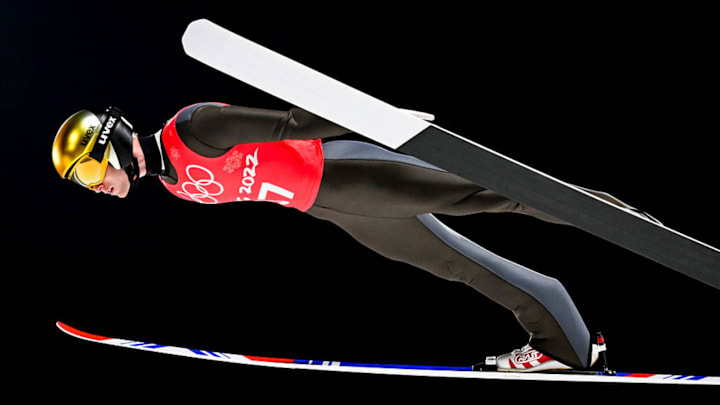
- SKI JUMPING- WOMEN'S LARGE HILL
- SKELETON- MIXED TEAM RELAY
- FREESTYLE SKIING- MEN'S AND WOMEN'S DUAL MOGULS
- ALPINE SKIING- TEAM COMBINED
- LUGE - WOMEN'S DOUBLES
SKI MOUNTAINEERING- MEN'S SPRINT, WOMEN'S SPRINT, MIXED RELAY
Ski mountaineering makes its Winter Olympic debut in 2026 with a men's sprint, women's sprint, and a mixed-gender relay variation. This is skiing in its rawest form. Athletes climb uphill with skins on their skis, continue to hike with their skis on their backs, transition their equipment mid-race, and then ski back down as fast as their legs allow. Ski mountaineering, "skimo" for short, is less about style points and more about endurance. It was first showcased at the 2020 Youth Olympic Games and was approved by the International Olympic Committee in 2021.
HISTORICAL FACT: Ski mountaineering originated as a means for people to travel snowy mountain ranges in the Alps and Scandinavia.
SKI JUMPING- WOMEN'S LARGE HILL

Women's ski jumping moves to the large hill in 2026, and not a moment too soon. The larger venue allows for longer flights, higher speeds, and a clearer display of technical skills. Timing and body position remain the same, but the margin for error decreases. Female athletes have been competing on the normal hill for years, but this is the first time they're able to showcase their talent on the large hill.
HISTORICAL FACT: Men's large hill ski jumping debuted at the Olympic Winter Games, Chamonix 1924, 40 years before men's normal hill ski jump was introduced.
SKELETON- MIXED TEAM RELAY
What is skeleton racing? Considered the "world's first sliding sport," this event sees athletes sliding down an ice track face-first on a steerable sled.
Skeleton racing brings the velocity (with athletes reaching speeds up to 130km per hour), as a mixed team relay for the first time in the history of the Olympics in 2026. Each team consists of a male and a female athlete, with their times added together. Consistency, cooperation, and clean runs are key when it comes to skeleton racing.
HISTORICAL FACT: The first skeleton ice track, dubbed the Cresta Run, was built in 1885. Two years later, participants started sliding down face-first, laying the groundwork for the modern-day Olympic skeleton event.
FREESTYLE SKIING- MEN'S AND WOMEN'S DUAL MOGULS

Freestyle skiing's dual moguls format replaces solo runs with direct competition. Two skiers take on parallel courses at the same time, navigating bumps and jumps while the judges decide who advances. The head-to-head structure, debuting at the 2026 Winter Olympics, adds old-fashioned sporting tension to the creativity each athlete brings to their freestyle run.
HISTORICAL FACT: Freestyle skiing is a direct result of the social change that called for freedom of expression in the 1960s. This event was first called "hotdogging."
ALPINE SKIING- TEAM COMBINED

The Alpine combined event is also getting an update in 2026. Instead of one skier taking on both downhill and slalom runs, two teammates will split the duties. One will tackle the downhill, and the other, the slalom, shredding side-to-side as they navigate numerous poles. One brings the speed, one brings the style, and the clock settles the argument. This event will reward teamwork for the first time in the history of the Olympics.
HISTORICAL FACT: Alpine skiing debuted at the Olympic Winter Games in 1936 in Garmisch-Partenkirchen, featuring combined events for both men and women. Downhill and Slalom weren't added as separate events until 1948.
LUGE - WOMEN'S DOUBLES
Luge doubles has always been a study of trust and timing, but up until this year, women didn't have their own doubles event. That changes in 2026. Women's doubles adds competitive balance to a sport where the difference between gold and going home without a medal is literally measured in thousandths of a second.
The luge is similar to the skeleton in that both involve sliding, but the luge is feet-forward instead of face-forward, and competitors often reach higher speeds.
HISTORICAL FACT: The luge's roots date back to the 1700s, but the event did not officially debut at the Olympics until the 1964 Olympic Winter Games in Innsbruck.