%20%20--%3E%0A%3Csvg%20version%3D%221.1%22%20id%3D%22Layer_1%22%20xmlns%3D%22http%3A%2F%2Fwww.w3.org%2F2000%2Fsvg%22%20xmlns%3Axlink%3D%22http%3A%2F%2Fwww.w3.org%2F1999%2Fxlink%22%20x%3D%220px%22%20y%3D%220px%22%0A%09%20viewBox%3D%220%200%20684.6%2068.1%22%20style%3D%22enable-background%3Anew%200%200%20684.6%2068.1%3B%22%20xml%3Aspace%3D%22preserve%22%3E%0A%3Cg%3E%0A%09%3Cpath%20d%3D%22M444.1%2C29.3h-17.4v14.5h17.4V29.3z%20M36.4%2C68.1l29.3-50.8V0H50.4L32.9%2C36.8L15.5%2C0H0v68.1h16.7V45.8l12.4%2C22.3H36.4z%0A%09%09%20M49.1%2C68.1h16.6V23.4L49.1%2C52.1V68.1z%20M76.6%2C68.1h45V53.8H93.3V41.6h21V27.1h-21V14.8h28.3V0.1h-45V68.1z%20M175.6%2C68.1h17.3v-68%0A%09%09h-16.5v40.3L150%2C0.1h-17.6v68h16.7V27.7L175.6%2C68.1z%20M235.8%2C14.8h15.4V0.1h-47.4v14.7H219v53.2h16.8V14.8z%20M290.3%2C45.9h-17.1%0A%09%09l7.5-15.6h2L290.3%2C45.9z%20M298.7%2C68.1h18l-32.2-68h-5.7l-32%2C68h18l3.3-7.1h27.1L298.7%2C68.1z%20M325.2%2C68.1h46.2V53.8h-29.6V0.1h-16.7%0A%09%09V68.1z%20M423.7%2C14.8h27.2V0.1H407v68h16.7V14.8z%20M462%2C68.1h46.2V53.8h-29.6V0.1H462V68.1z%20M564.8%2C34.1c0%2C10.7-7.2%2C19.2-18.5%2C19.2%0A%09%09c-11.4%2C0-18.5-8.5-18.5-19.2s7.1-19.2%2C18.5-19.2C557.6%2C14.9%2C564.8%2C23.4%2C564.8%2C34.1%20M580.6%2C34.1c0-19-14.2-34-34.3-34%0A%09%09c-20.2%2C0-34.3%2C15-34.3%2C34c0%2C19%2C14.1%2C34%2C34.3%2C34C566.4%2C68.1%2C580.6%2C53.1%2C580.6%2C34.1%20M604.8%2C20.5c0-4.1%2C3.3-6.2%2C6.7-6.2%0A%09%09c4.4%2C0%2C6.6%2C3%2C6.6%2C6.6h14.7C631.8%2C9.1%2C625.1%2C0.1%2C611%2C0.1c-12%2C0-21.7%2C9.3-21.7%2C20.6c0%2C10.9%2C5.9%2C15.9%2C16.7%2C19.8%0A%09%09c5.2%2C1.8%2C11.5%2C3.2%2C11.5%2C8c0%2C3.3-2.4%2C5.5-6.4%2C5.5c-3.6%2C0-6.6-3-6.6-6.7h-15.2c0%2C11.5%2C7.9%2C20.8%2C21.8%2C20.8c12%2C0%2C21.6-9.3%2C21.6-20.6%0A%09%09c0-10-5.3-16.4-16.7-19.8C610.6%2C26.1%2C604.8%2C25.3%2C604.8%2C20.5%20M670%2C20.9h14.7C683.8%2C9.1%2C677.1%2C0.1%2C663%2C0.1c-12%2C0-21.7%2C9.3-21.7%2C20.6%0A%09%09c0%2C10.9%2C5.9%2C15.9%2C16.7%2C19.8c5.2%2C1.8%2C11.5%2C3.2%2C11.5%2C8c0%2C3.3-2.4%2C5.5-6.4%2C5.5c-3.6%2C0-6.6-3-6.6-6.7h-15.2c0%2C11.5%2C7.9%2C20.8%2C21.8%2C20.8%0A%09%09c12%2C0%2C21.6-9.3%2C21.6-20.6c0-10-5.3-16.4-16.7-19.8c-5.4-1.6-11.3-2.4-11.3-7.2c0-4.1%2C3.3-6.2%2C6.7-6.2C667.7%2C14.4%2C670%2C17.3%2C670%2C20.9%0A%09%09%22%2F%3E%0A%3C%2Fg%3E%0A%3C%2Fsvg%3E%0A)

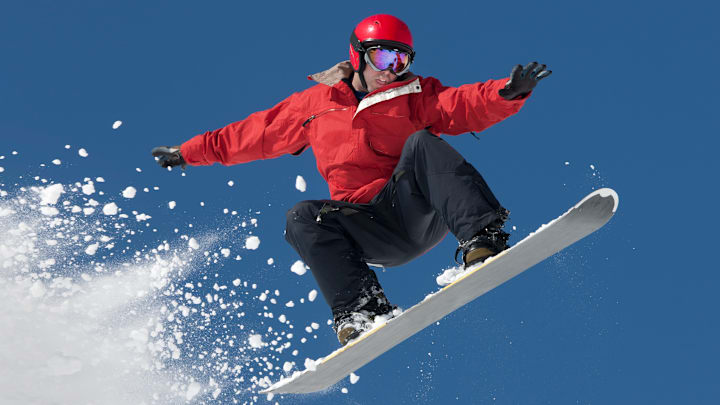
Street style may have only recently traded skinny jeans for baggy pants, but snowboarders embraced the loose-fitting look long before it hit the mainstream. If you’ve ever hit the slopes—or even just tuned into the Winter Olympics—you’ve probably noticed that winter sports uniforms vary widely.
Snow gear isn’t one-size-fits-all, and nowhere is that more obvious than in the divide between skiers and snowboarders. Despite sharing the same mountains, skiers typically opt for sleek, form-fitting suits, while snowboarders favor noticeably baggier clothes. So where did snowboarding’s unofficial uniform come from? The answer lies in a mix of comfort and culture.
From the Streets to the Slopes

Despite what you might’ve seen at the mall in the 2010s, tight-fitting clothes weren’t always the norm. Fashion has swung from loose to tight and back again over the years, with baggy clothing first making a splash in the 1980s. Around the same time, snowboarding emerged as a counterculture alternative to skiing.
The sport originated in the 1960s in Michigan, and in its early days, snowboarders were often banned from ski resorts, branded as too reckless to share the slopes with skiers—a label that only strengthened their outsider identity.
To set themselves apart from the strict, polished ski scene, early snowboarders borrowed style cues from skateboarding, punk, and hip-hop culture, favoring roomy pants and long sleeve tops that prioritized freedom of movement—and thought.
Function First

Snowboarding style isn’t just about making a statement: those loose fits prove incredibly practical on the mountain. Unlike skiers, who stick to slimmer, streamlined outfits designed for speed, snowboarders opt for oversized clothing with extra padding, bright colors, and bold patterns—a reflection of the sport’s playful style and focus on mobility.
Baggy bottoms and big jackets let riders layer for warmth without restricting motion, whether they’re carving down groomed runs or launching into tricks off a halfpipe. The relaxed fit also provides a buffer against falls, absorbs impacts, and makes it easier to sit or slide in the snow without feeling cramped.
Over time, function caught up with fashion, shaping modern snowboard gear: today’s jackets and pants mix technical fabrics, ventilation, and reinforced padding with the classic loose cut. From counterculture to comfort, baggy clothes remain a defining feature of snowboarding today.