%20%20--%3E%0A%3Csvg%20version%3D%221.1%22%20id%3D%22Layer_1%22%20xmlns%3D%22http%3A%2F%2Fwww.w3.org%2F2000%2Fsvg%22%20xmlns%3Axlink%3D%22http%3A%2F%2Fwww.w3.org%2F1999%2Fxlink%22%20x%3D%220px%22%20y%3D%220px%22%0A%09%20viewBox%3D%220%200%20684.6%2068.1%22%20style%3D%22enable-background%3Anew%200%200%20684.6%2068.1%3B%22%20xml%3Aspace%3D%22preserve%22%3E%0A%3Cg%3E%0A%09%3Cpath%20d%3D%22M444.1%2C29.3h-17.4v14.5h17.4V29.3z%20M36.4%2C68.1l29.3-50.8V0H50.4L32.9%2C36.8L15.5%2C0H0v68.1h16.7V45.8l12.4%2C22.3H36.4z%0A%09%09%20M49.1%2C68.1h16.6V23.4L49.1%2C52.1V68.1z%20M76.6%2C68.1h45V53.8H93.3V41.6h21V27.1h-21V14.8h28.3V0.1h-45V68.1z%20M175.6%2C68.1h17.3v-68%0A%09%09h-16.5v40.3L150%2C0.1h-17.6v68h16.7V27.7L175.6%2C68.1z%20M235.8%2C14.8h15.4V0.1h-47.4v14.7H219v53.2h16.8V14.8z%20M290.3%2C45.9h-17.1%0A%09%09l7.5-15.6h2L290.3%2C45.9z%20M298.7%2C68.1h18l-32.2-68h-5.7l-32%2C68h18l3.3-7.1h27.1L298.7%2C68.1z%20M325.2%2C68.1h46.2V53.8h-29.6V0.1h-16.7%0A%09%09V68.1z%20M423.7%2C14.8h27.2V0.1H407v68h16.7V14.8z%20M462%2C68.1h46.2V53.8h-29.6V0.1H462V68.1z%20M564.8%2C34.1c0%2C10.7-7.2%2C19.2-18.5%2C19.2%0A%09%09c-11.4%2C0-18.5-8.5-18.5-19.2s7.1-19.2%2C18.5-19.2C557.6%2C14.9%2C564.8%2C23.4%2C564.8%2C34.1%20M580.6%2C34.1c0-19-14.2-34-34.3-34%0A%09%09c-20.2%2C0-34.3%2C15-34.3%2C34c0%2C19%2C14.1%2C34%2C34.3%2C34C566.4%2C68.1%2C580.6%2C53.1%2C580.6%2C34.1%20M604.8%2C20.5c0-4.1%2C3.3-6.2%2C6.7-6.2%0A%09%09c4.4%2C0%2C6.6%2C3%2C6.6%2C6.6h14.7C631.8%2C9.1%2C625.1%2C0.1%2C611%2C0.1c-12%2C0-21.7%2C9.3-21.7%2C20.6c0%2C10.9%2C5.9%2C15.9%2C16.7%2C19.8%0A%09%09c5.2%2C1.8%2C11.5%2C3.2%2C11.5%2C8c0%2C3.3-2.4%2C5.5-6.4%2C5.5c-3.6%2C0-6.6-3-6.6-6.7h-15.2c0%2C11.5%2C7.9%2C20.8%2C21.8%2C20.8c12%2C0%2C21.6-9.3%2C21.6-20.6%0A%09%09c0-10-5.3-16.4-16.7-19.8C610.6%2C26.1%2C604.8%2C25.3%2C604.8%2C20.5%20M670%2C20.9h14.7C683.8%2C9.1%2C677.1%2C0.1%2C663%2C0.1c-12%2C0-21.7%2C9.3-21.7%2C20.6%0A%09%09c0%2C10.9%2C5.9%2C15.9%2C16.7%2C19.8c5.2%2C1.8%2C11.5%2C3.2%2C11.5%2C8c0%2C3.3-2.4%2C5.5-6.4%2C5.5c-3.6%2C0-6.6-3-6.6-6.7h-15.2c0%2C11.5%2C7.9%2C20.8%2C21.8%2C20.8%0A%09%09c12%2C0%2C21.6-9.3%2C21.6-20.6c0-10-5.3-16.4-16.7-19.8c-5.4-1.6-11.3-2.4-11.3-7.2c0-4.1%2C3.3-6.2%2C6.7-6.2C667.7%2C14.4%2C670%2C17.3%2C670%2C20.9%0A%09%09%22%2F%3E%0A%3C%2Fg%3E%0A%3C%2Fsvg%3E%0A)

Gatorade was invented in 1965 by researchers at the University of Florida, who wanted to create a drink that would keep the Florida Gators football team hydrated during intense heat.
What they created has since become a phenomenon that can be found in locker rooms, vending machines, and bodega refrigerators all across the globe.
Though it was invented for a football team, Gatorade has long been associated with basketball. The brand became the official sports drink partner of the NBA in 1984, and in 1991, Gatorade partnered with Michael Jordan for a series of iconic ads that used the slogan “Be Like Mike.”
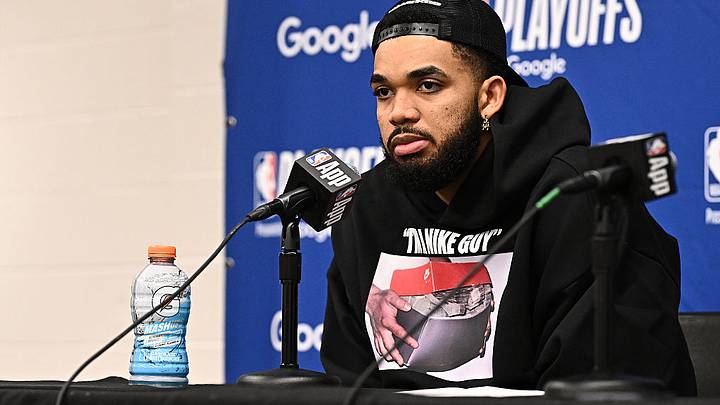
Today, Gatorade remains the NBA’s longest-lasting official sponsor. One ongoing aspect of their partnership? Bottles of the drink are typically displayed at post-game press conferences.
Over the years, though, some basketball stars have raised eyebrows by pointedly moving their bottles of Gatorade away from themselves during interviews, or sometimes even reacting to the taste or even the mere presence of Gatorade with outright disgust and anger.
In 2020, a clip of Kawhi Leonard moving his bottle away from his table right after winning his first All-Star Game MVP went viral. Klay Thompson has also famously swiped his bottles off of press conference tables after games, and once even jokingly slammed the bottle down on the table in an imitation of a wrestling-match smackdown.
So why don’t some basketball players want anything to do with the sweet, colorful drink? There are a couple of different possible reasons.
Rival Brand Partnerships and Financial Reasons
One major reason why fans think some major players might tend to avoid Gatorade? They’re partnering with rival drink brands.
That may have been the case for Leonard, who became a shareholder in the energy drink brand X2 Performance the same year that the video of him getting rid of his bottle of Gatorade during a press conference went viral.
The same logic might apply to Thompson, who had a deal with Gatorade competitor BodyArmor and was being sponsored by Built with Chocolate Milk at the time that he was filmed body-slamming his Gatorade bottle.
A similar explanation might apply to LeBron James, who was sponsored by another Gatorade competitor, Powerade, for years, which meant he wasn’t supposed to use anything bearing the Gatorade logo. However, eagle-eyed commentators occasionally noticed that he was still drinking Gatorade in the stands, but would just take the label off before doing so.
Additionally, some NBA fans have also theorized that players might be frustrated with Gatorade since they don’t receive any payments from using the drink, making their use of it on camera into a kind of unpaid sponsorship. However, this is just a rumor.
Health Reasons
There are other reasons why Gatorade might be falling out of favor in the NBA. Some players have cited health concerns as reasons why they’re leaving their Gatorade bottles unopened—or tossing them to the ground.
During a 2025 press conference, Leonard removed his bottle of Gatorade and could be heard saying, “Kids don't need to be drinking that,” as he did so. Additionally, representatives for Victor Wembayana—who is also known for removing Gatorade bottles during press conferences—have also cited similar concerns. “We’re not gonna mix his image with sodas like Coca-Cola,” said Jeremy Medjana, one of Wembayana’s agents. “They all want him, but Victor will never sell soda. Because he doesn’t want to kill the kids.”
Most experts do agree that drinking Gatorade regularly isn’t a great idea if you’re not an athlete who’s sweating heavily every day, noting that drinking Gatorade when you aren’t sweating can lead to a buildup of sodium and potassium in your body, not to mention a sugar and calorie surplus.
For athletes, though, the drink can be a good way to replenish vital fluids and electrolytes. But in short, Leonard might have the right idea—kids really shouldn’t be drinking Gatorade regularly, unless it’s after a long, hot day of playing pickup outside. Regularly consuming sugary sports drinks is also associated with higher risks of diabetes, weight gain, and tooth issues, among other concerns.
Some players have chosen to personally abdicate from Gatorade and sports drinks entirely due to health reasons. “There’s so much sugar. I don’t drink Gatorade or Powerade or any sports drink really,” NBA player De’Aaron Fox said in a 2026 press conference.
Regular Gatorade is loaded with sugar, salt, and carbohydrates, which may not align with the highly specific diets that some NBA players follow. Also, the drink can sometimes upset people’s stomachs thanks to its high sugar content, which can cause bloating, gas, and other issues you definitely don’t want to be experiencing on the basketball court.
Still, despite all this, Gatorade remains a constant presence on the court and in vending machines around the world. But given the power and influence of NBA players on culture, it wouldn’t be surprising if we see Gatorade-flavored alkaline water on those press conference tables sooner rather than later.