%20%20--%3E%0A%3Csvg%20version%3D%221.1%22%20id%3D%22Layer_1%22%20xmlns%3D%22http%3A%2F%2Fwww.w3.org%2F2000%2Fsvg%22%20xmlns%3Axlink%3D%22http%3A%2F%2Fwww.w3.org%2F1999%2Fxlink%22%20x%3D%220px%22%20y%3D%220px%22%0A%09%20viewBox%3D%220%200%20684.6%2068.1%22%20style%3D%22enable-background%3Anew%200%200%20684.6%2068.1%3B%22%20xml%3Aspace%3D%22preserve%22%3E%0A%3Cg%3E%0A%09%3Cpath%20d%3D%22M444.1%2C29.3h-17.4v14.5h17.4V29.3z%20M36.4%2C68.1l29.3-50.8V0H50.4L32.9%2C36.8L15.5%2C0H0v68.1h16.7V45.8l12.4%2C22.3H36.4z%0A%09%09%20M49.1%2C68.1h16.6V23.4L49.1%2C52.1V68.1z%20M76.6%2C68.1h45V53.8H93.3V41.6h21V27.1h-21V14.8h28.3V0.1h-45V68.1z%20M175.6%2C68.1h17.3v-68%0A%09%09h-16.5v40.3L150%2C0.1h-17.6v68h16.7V27.7L175.6%2C68.1z%20M235.8%2C14.8h15.4V0.1h-47.4v14.7H219v53.2h16.8V14.8z%20M290.3%2C45.9h-17.1%0A%09%09l7.5-15.6h2L290.3%2C45.9z%20M298.7%2C68.1h18l-32.2-68h-5.7l-32%2C68h18l3.3-7.1h27.1L298.7%2C68.1z%20M325.2%2C68.1h46.2V53.8h-29.6V0.1h-16.7%0A%09%09V68.1z%20M423.7%2C14.8h27.2V0.1H407v68h16.7V14.8z%20M462%2C68.1h46.2V53.8h-29.6V0.1H462V68.1z%20M564.8%2C34.1c0%2C10.7-7.2%2C19.2-18.5%2C19.2%0A%09%09c-11.4%2C0-18.5-8.5-18.5-19.2s7.1-19.2%2C18.5-19.2C557.6%2C14.9%2C564.8%2C23.4%2C564.8%2C34.1%20M580.6%2C34.1c0-19-14.2-34-34.3-34%0A%09%09c-20.2%2C0-34.3%2C15-34.3%2C34c0%2C19%2C14.1%2C34%2C34.3%2C34C566.4%2C68.1%2C580.6%2C53.1%2C580.6%2C34.1%20M604.8%2C20.5c0-4.1%2C3.3-6.2%2C6.7-6.2%0A%09%09c4.4%2C0%2C6.6%2C3%2C6.6%2C6.6h14.7C631.8%2C9.1%2C625.1%2C0.1%2C611%2C0.1c-12%2C0-21.7%2C9.3-21.7%2C20.6c0%2C10.9%2C5.9%2C15.9%2C16.7%2C19.8%0A%09%09c5.2%2C1.8%2C11.5%2C3.2%2C11.5%2C8c0%2C3.3-2.4%2C5.5-6.4%2C5.5c-3.6%2C0-6.6-3-6.6-6.7h-15.2c0%2C11.5%2C7.9%2C20.8%2C21.8%2C20.8c12%2C0%2C21.6-9.3%2C21.6-20.6%0A%09%09c0-10-5.3-16.4-16.7-19.8C610.6%2C26.1%2C604.8%2C25.3%2C604.8%2C20.5%20M670%2C20.9h14.7C683.8%2C9.1%2C677.1%2C0.1%2C663%2C0.1c-12%2C0-21.7%2C9.3-21.7%2C20.6%0A%09%09c0%2C10.9%2C5.9%2C15.9%2C16.7%2C19.8c5.2%2C1.8%2C11.5%2C3.2%2C11.5%2C8c0%2C3.3-2.4%2C5.5-6.4%2C5.5c-3.6%2C0-6.6-3-6.6-6.7h-15.2c0%2C11.5%2C7.9%2C20.8%2C21.8%2C20.8%0A%09%09c12%2C0%2C21.6-9.3%2C21.6-20.6c0-10-5.3-16.4-16.7-19.8c-5.4-1.6-11.3-2.4-11.3-7.2c0-4.1%2C3.3-6.2%2C6.7-6.2C667.7%2C14.4%2C670%2C17.3%2C670%2C20.9%0A%09%09%22%2F%3E%0A%3C%2Fg%3E%0A%3C%2Fsvg%3E%0A)

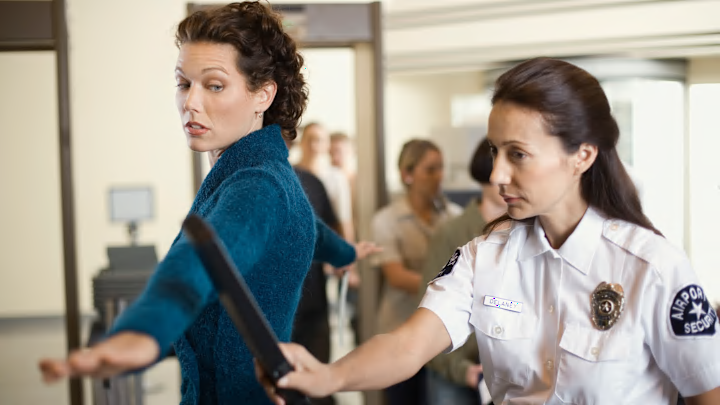
Airport security is a routine part of travel. Shoes off, laptops out, hands up!
Many people arrive at the airport early, expecting lengthy lines, but rarely consider being singled out by the Transportation Security Administration (TSA) for extra screening. While frustrating in the moment, there are specific reasons behind these extra checks. Some travelers are pulled aside for security concerns and travel history, while others are flagged for lesser-known factors.
Why are these lines necessary? What prompts extra screening? Let’s take a closer look at airport security to find out.
TSA PROCEDURES

The TSA exists to ensure air travel safety by detecting possible threats before anyone boards a flight. Agents use a combination of screening tools, including X-ray machines, body scanners, and even chemical detection swabs. These technologies help identify prohibited items and suspicious materials that pose potential safety risks for passengers.
While some screenings are seemingly spontaneous, others happen because TSA officers notice something unusual about a passenger's travel details, belongings, or behavior. In many cases, the extra inspection is simply to verify that nothing dangerous is present.
UNEXPECTED REASONS FOR EXTRA SCREENING

Specific markings on a traveler's boarding pass can result in them being chosen for additional screening, such as the "SSSS" designation (which stands for Secondary Security Screening Selection). This means the traveler will automatically undergo a more thorough inspection before boarding their flight due to factors including their name, destination, or a last-minute booking.
Did you know that your travel history can impact your airport security experience? Travelers who have visited destinations considered "high risk" by the U.S. government may be flagged for extra security checks on future flights.
Your name could also lead to you being pulled aside for additional security checks. If your name closely matches someone on a government watch list, the system may produce a "false positive." This can result in repeated screening or delays until the traveler resolves the issue through a government redress program.
Your behavior can also attract attention. TSA officers observe travelers for signs of unusual stress or suspicious actions. Excessive nervousness, unusual body language, or tense behaviors may raise concerns and lead to additional screening.
What you wear also matters. Bulky clothing can prompt extra checks because it's harder for scanners to clearly detect objects underneath the fabric. Clothing with heavy metal elements (large belt buckles or chunky jewelry) may also set off security machines during the screening process.
Another unusual factor involves personal hygiene products. Some cosmetic products contain ingredients such as glycerin, which can resemble chemical compounds associated with explosives. If machines detect this substance, TSA agents might open your luggage to take a closer look.
ROUTINE SAFETY CHECK

Although being pulled aside for additional TSA screening feels inconvenient, it's a necessary safety procedure. Screening technology, travel history, and everyday cosmetics can prompt extra checks with simple explanations.