%20%20--%3E%0A%3Csvg%20version%3D%221.1%22%20id%3D%22Layer_1%22%20xmlns%3D%22http%3A%2F%2Fwww.w3.org%2F2000%2Fsvg%22%20xmlns%3Axlink%3D%22http%3A%2F%2Fwww.w3.org%2F1999%2Fxlink%22%20x%3D%220px%22%20y%3D%220px%22%0A%09%20viewBox%3D%220%200%20684.6%2068.1%22%20style%3D%22enable-background%3Anew%200%200%20684.6%2068.1%3B%22%20xml%3Aspace%3D%22preserve%22%3E%0A%3Cg%3E%0A%09%3Cpath%20d%3D%22M444.1%2C29.3h-17.4v14.5h17.4V29.3z%20M36.4%2C68.1l29.3-50.8V0H50.4L32.9%2C36.8L15.5%2C0H0v68.1h16.7V45.8l12.4%2C22.3H36.4z%0A%09%09%20M49.1%2C68.1h16.6V23.4L49.1%2C52.1V68.1z%20M76.6%2C68.1h45V53.8H93.3V41.6h21V27.1h-21V14.8h28.3V0.1h-45V68.1z%20M175.6%2C68.1h17.3v-68%0A%09%09h-16.5v40.3L150%2C0.1h-17.6v68h16.7V27.7L175.6%2C68.1z%20M235.8%2C14.8h15.4V0.1h-47.4v14.7H219v53.2h16.8V14.8z%20M290.3%2C45.9h-17.1%0A%09%09l7.5-15.6h2L290.3%2C45.9z%20M298.7%2C68.1h18l-32.2-68h-5.7l-32%2C68h18l3.3-7.1h27.1L298.7%2C68.1z%20M325.2%2C68.1h46.2V53.8h-29.6V0.1h-16.7%0A%09%09V68.1z%20M423.7%2C14.8h27.2V0.1H407v68h16.7V14.8z%20M462%2C68.1h46.2V53.8h-29.6V0.1H462V68.1z%20M564.8%2C34.1c0%2C10.7-7.2%2C19.2-18.5%2C19.2%0A%09%09c-11.4%2C0-18.5-8.5-18.5-19.2s7.1-19.2%2C18.5-19.2C557.6%2C14.9%2C564.8%2C23.4%2C564.8%2C34.1%20M580.6%2C34.1c0-19-14.2-34-34.3-34%0A%09%09c-20.2%2C0-34.3%2C15-34.3%2C34c0%2C19%2C14.1%2C34%2C34.3%2C34C566.4%2C68.1%2C580.6%2C53.1%2C580.6%2C34.1%20M604.8%2C20.5c0-4.1%2C3.3-6.2%2C6.7-6.2%0A%09%09c4.4%2C0%2C6.6%2C3%2C6.6%2C6.6h14.7C631.8%2C9.1%2C625.1%2C0.1%2C611%2C0.1c-12%2C0-21.7%2C9.3-21.7%2C20.6c0%2C10.9%2C5.9%2C15.9%2C16.7%2C19.8%0A%09%09c5.2%2C1.8%2C11.5%2C3.2%2C11.5%2C8c0%2C3.3-2.4%2C5.5-6.4%2C5.5c-3.6%2C0-6.6-3-6.6-6.7h-15.2c0%2C11.5%2C7.9%2C20.8%2C21.8%2C20.8c12%2C0%2C21.6-9.3%2C21.6-20.6%0A%09%09c0-10-5.3-16.4-16.7-19.8C610.6%2C26.1%2C604.8%2C25.3%2C604.8%2C20.5%20M670%2C20.9h14.7C683.8%2C9.1%2C677.1%2C0.1%2C663%2C0.1c-12%2C0-21.7%2C9.3-21.7%2C20.6%0A%09%09c0%2C10.9%2C5.9%2C15.9%2C16.7%2C19.8c5.2%2C1.8%2C11.5%2C3.2%2C11.5%2C8c0%2C3.3-2.4%2C5.5-6.4%2C5.5c-3.6%2C0-6.6-3-6.6-6.7h-15.2c0%2C11.5%2C7.9%2C20.8%2C21.8%2C20.8%0A%09%09c12%2C0%2C21.6-9.3%2C21.6-20.6c0-10-5.3-16.4-16.7-19.8c-5.4-1.6-11.3-2.4-11.3-7.2c0-4.1%2C3.3-6.2%2C6.7-6.2C667.7%2C14.4%2C670%2C17.3%2C670%2C20.9%0A%09%09%22%2F%3E%0A%3C%2Fg%3E%0A%3C%2Fsvg%3E%0A)

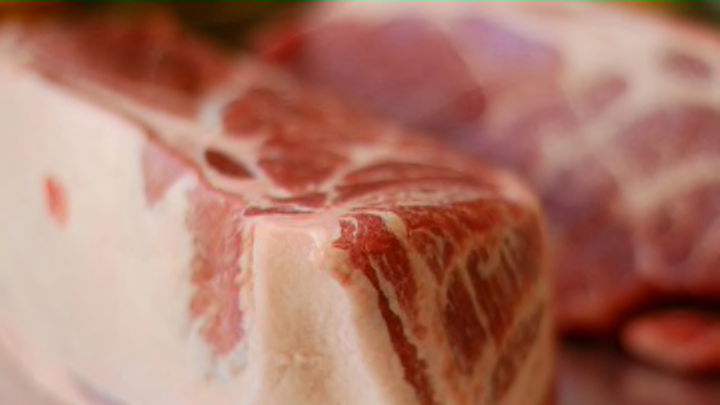
Ever find yourself standing in front of a butcher's counter and wonder where in the world certain cuts and preparations of meat got their names? Here are the stories behind a few popular meals.
1. Boston butt
Don't be too grossed out when you hear this name; it doesn't mean "butt" as in "rear end." Instead, the cut comes from the front shoulder of the pig. So why "butt"? During colonial days New England butchers tended to take less prized cuts of pork like these and pack them into barrels for storage and transport. The barrels the pork went into were called butts. This particular shoulder cut became known around the country as a New England specialty, and hence it became the "Boston butt."
2. Porterhouse steak
The origin of the term "porterhouse" is surprisingly contentious, as several cities and establishments claim to have coined it. The name might have originated on Manhattan's Pearl Street around 1814, when porter house proprietor Martin Morrison started serving particularly large T-bones. The Oxford English Dictionary lists this etymology as the likely origin of the steak's name while noting that there's no contemporary evidence to support or contradict the tale.
This origin story gained traction in the late 19th century, but other carnivores contend a Cambridge, Mass. hotel and restaurant proprietor named Zachariah B. Porter lent his name to the cut. Still others claim that the steak takes its name from the Porter House, a popular 19th-century hotel in Flowery Branch, Ga.
3. Filet mignon
The term filet mignon is French for "dainty fillet." Somehow this makes eating one seem a bit less manly, although no less delicious.
4. Canadian bacon
When you chomp into a slice of pizza with Canadian bacon on it, are you sending a little bit of culinary support to our neighbors to the north? Not quite. Canadian bacon is simply a leaner, brined type of bacon that comes from a loin cut further back on the pig. Americans started calling this type of pork "Canadian bacon" because we were under the impression that Canadians particularly loved their back bacon.
5. Swiss steak
At least Canadian bacon has some theoretical tie back to the Great White North. Swiss steak, the bane of school cafeterias everywhere, has nothing to do with Switzerland. Instead, the term "Swiss steak" refers to the meat having gone through a process called "swissing" before being cooked. Swissing, which is also used in textile production, refers to a process of hammering, pounding, or rolling a material to soften it up. In the cast of Swiss steak, butchers take tough cuts of beef and pound them or roll them to make them tender.
6. Hanger steak

The bistro favorite is so named because it "hangs" from the diaphragm between the rib and the loin of the steer from which it is cut.
7. Chateaubriand steak

This preparation for a thick cut from the tenderloin allegedly takes its name from the first diner to enjoy it, Vicomte Francois-Rene de Chateubriand (1768-1848). Chateaubriand was a foodie, but he got quite a bit done away from the dinner table, too. He served as France's ambassador to Prussia, and his writing earned him praises as the father of French Romanticism.
Chateubriand enjoyed a good steak, too. At some point during his life, the writer's personal chef whipped up a dish of a very large peppered beef tenderloin topped with a buttery wine-and-shallot sauce, and a new meat sensation was born.
8. 7-Bone roast
Don't let the name fool you; this isn't a particularly bony piece of beef. The 7-Bone roast actually comes from a cross cut of a cow's shoulder blade, which leaves a large bone shaped like the number seven in the meat. Although it's not as bony as you'd think, it's not a particularly easy cut to cook. It's generally so tough that it's best for braising.
9. Flat iron steak

This trendy, tasty cut is a fairly recent development. In the early 21st century meat science professors at the University of Nebraska and the University of Florida searched cattle with a fine-toothed comb in the hopes of finding an exquisite new cut they could bring to market. After much research, they found an underappreciated muscle in the shoulder that would provide a delicious, well-marbled piece of beef if cut correctly. The new cut was dubbed the "flat iron steak," supposedly because it is shaped somewhat like an old-fashioned flat iron.