%20%20--%3E%0A%3Csvg%20version%3D%221.1%22%20id%3D%22Layer_1%22%20xmlns%3D%22http%3A%2F%2Fwww.w3.org%2F2000%2Fsvg%22%20xmlns%3Axlink%3D%22http%3A%2F%2Fwww.w3.org%2F1999%2Fxlink%22%20x%3D%220px%22%20y%3D%220px%22%0A%09%20viewBox%3D%220%200%20684.6%2068.1%22%20style%3D%22enable-background%3Anew%200%200%20684.6%2068.1%3B%22%20xml%3Aspace%3D%22preserve%22%3E%0A%3Cg%3E%0A%09%3Cpath%20d%3D%22M444.1%2C29.3h-17.4v14.5h17.4V29.3z%20M36.4%2C68.1l29.3-50.8V0H50.4L32.9%2C36.8L15.5%2C0H0v68.1h16.7V45.8l12.4%2C22.3H36.4z%0A%09%09%20M49.1%2C68.1h16.6V23.4L49.1%2C52.1V68.1z%20M76.6%2C68.1h45V53.8H93.3V41.6h21V27.1h-21V14.8h28.3V0.1h-45V68.1z%20M175.6%2C68.1h17.3v-68%0A%09%09h-16.5v40.3L150%2C0.1h-17.6v68h16.7V27.7L175.6%2C68.1z%20M235.8%2C14.8h15.4V0.1h-47.4v14.7H219v53.2h16.8V14.8z%20M290.3%2C45.9h-17.1%0A%09%09l7.5-15.6h2L290.3%2C45.9z%20M298.7%2C68.1h18l-32.2-68h-5.7l-32%2C68h18l3.3-7.1h27.1L298.7%2C68.1z%20M325.2%2C68.1h46.2V53.8h-29.6V0.1h-16.7%0A%09%09V68.1z%20M423.7%2C14.8h27.2V0.1H407v68h16.7V14.8z%20M462%2C68.1h46.2V53.8h-29.6V0.1H462V68.1z%20M564.8%2C34.1c0%2C10.7-7.2%2C19.2-18.5%2C19.2%0A%09%09c-11.4%2C0-18.5-8.5-18.5-19.2s7.1-19.2%2C18.5-19.2C557.6%2C14.9%2C564.8%2C23.4%2C564.8%2C34.1%20M580.6%2C34.1c0-19-14.2-34-34.3-34%0A%09%09c-20.2%2C0-34.3%2C15-34.3%2C34c0%2C19%2C14.1%2C34%2C34.3%2C34C566.4%2C68.1%2C580.6%2C53.1%2C580.6%2C34.1%20M604.8%2C20.5c0-4.1%2C3.3-6.2%2C6.7-6.2%0A%09%09c4.4%2C0%2C6.6%2C3%2C6.6%2C6.6h14.7C631.8%2C9.1%2C625.1%2C0.1%2C611%2C0.1c-12%2C0-21.7%2C9.3-21.7%2C20.6c0%2C10.9%2C5.9%2C15.9%2C16.7%2C19.8%0A%09%09c5.2%2C1.8%2C11.5%2C3.2%2C11.5%2C8c0%2C3.3-2.4%2C5.5-6.4%2C5.5c-3.6%2C0-6.6-3-6.6-6.7h-15.2c0%2C11.5%2C7.9%2C20.8%2C21.8%2C20.8c12%2C0%2C21.6-9.3%2C21.6-20.6%0A%09%09c0-10-5.3-16.4-16.7-19.8C610.6%2C26.1%2C604.8%2C25.3%2C604.8%2C20.5%20M670%2C20.9h14.7C683.8%2C9.1%2C677.1%2C0.1%2C663%2C0.1c-12%2C0-21.7%2C9.3-21.7%2C20.6%0A%09%09c0%2C10.9%2C5.9%2C15.9%2C16.7%2C19.8c5.2%2C1.8%2C11.5%2C3.2%2C11.5%2C8c0%2C3.3-2.4%2C5.5-6.4%2C5.5c-3.6%2C0-6.6-3-6.6-6.7h-15.2c0%2C11.5%2C7.9%2C20.8%2C21.8%2C20.8%0A%09%09c12%2C0%2C21.6-9.3%2C21.6-20.6c0-10-5.3-16.4-16.7-19.8c-5.4-1.6-11.3-2.4-11.3-7.2c0-4.1%2C3.3-6.2%2C6.7-6.2C667.7%2C14.4%2C670%2C17.3%2C670%2C20.9%0A%09%09%22%2F%3E%0A%3C%2Fg%3E%0A%3C%2Fsvg%3E%0A)

The Sleep of Reason Produces Monsters, a 1799 etching by the great Spanish artist Francisco Goya, depicts a man asleep at his writing desk, a swarm of ominous-looking bats and owls emerging behind him.
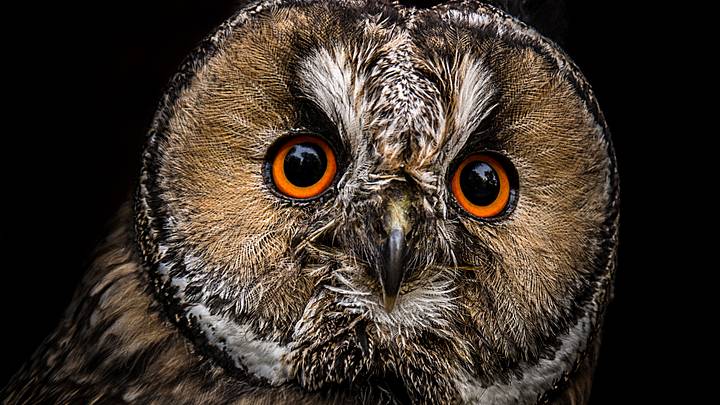
The bats make sense. The owls, less so. At least to modern Western audiences. While bats carry connotations similar to those of witches and vampires, owls are generally associated with wisdom – even though they too have been connected to scary and foreboding historical anecdotes.
One might think of these two sides of the owl as a symbol – one comforting, the other distressing – that emerged from two different times and cultures, but this is not the case.
The Owl’s Ancient Roots

Both can be traced back to classical antiquity, when owls – particularly the little owl or Athena noctua, a common sight in Italy and Greece to this day – were closely linked to both Athena and Minerva, goddesses of art, crafts, warfare, trade, strategy, and more.
Athena and Minerva were also goddesses of wisdom, albeit wisdom in a rather narrow sense of the word. As explained in an article on the blog Roman Mythology, wisdom didn’t mean “contemplative knowledge for its own sake” but “practical intelligence applied to real problems: how to design a building that would not fall, how to defeat an enemy who outnumbered you.”
The owl’s link with Athena and (later) her Roman counterpart, Minerva, seems to be connected to the animal’s geographic distribution – it lived in particularly large numbers around Athens, where worship of Athena was at its strongest – and its key characteristics. The owl’s excellent hearing and eyesight allow it to hunt in the dark of night, a time when many of our own human senses become utterly worthless.
Owls as Omens

The owl’s status as an omen of danger and death probably stems from its nocturnal lifestyle. To the ancient Greeks and Romans – like many other cultures – darkness was related to the underworld: the ultimate destination awaiting all mortals at the end of life. For this reason, it is perhaps not surprising that owls feature prominently in ancient sources relating the deaths of famous Romans like Julius Caesar and Augustus.
One such source notes that Tiberius Gracchus, a politician who campaigned for land reforms on behalf of poor farmers and thereby earned the enmity of landowning senators, “on the day he died, ignored bad omens,” including the appearance of an owl.
While the ancient world embraced the owl’s duality, modern-day pop culture tends to focus on either one of its two sides. Some owls, like Owl in Winnie the Pooh, represent a warm wisdom, while other owls – like those in Mark Frost and David Lynch’s classic TV series Twin Peaks – symbolize only death and darkness.