%20%20--%3E%0A%3Csvg%20version%3D%221.1%22%20id%3D%22Layer_1%22%20xmlns%3D%22http%3A%2F%2Fwww.w3.org%2F2000%2Fsvg%22%20xmlns%3Axlink%3D%22http%3A%2F%2Fwww.w3.org%2F1999%2Fxlink%22%20x%3D%220px%22%20y%3D%220px%22%0A%09%20viewBox%3D%220%200%20684.6%2068.1%22%20style%3D%22enable-background%3Anew%200%200%20684.6%2068.1%3B%22%20xml%3Aspace%3D%22preserve%22%3E%0A%3Cg%3E%0A%09%3Cpath%20d%3D%22M444.1%2C29.3h-17.4v14.5h17.4V29.3z%20M36.4%2C68.1l29.3-50.8V0H50.4L32.9%2C36.8L15.5%2C0H0v68.1h16.7V45.8l12.4%2C22.3H36.4z%0A%09%09%20M49.1%2C68.1h16.6V23.4L49.1%2C52.1V68.1z%20M76.6%2C68.1h45V53.8H93.3V41.6h21V27.1h-21V14.8h28.3V0.1h-45V68.1z%20M175.6%2C68.1h17.3v-68%0A%09%09h-16.5v40.3L150%2C0.1h-17.6v68h16.7V27.7L175.6%2C68.1z%20M235.8%2C14.8h15.4V0.1h-47.4v14.7H219v53.2h16.8V14.8z%20M290.3%2C45.9h-17.1%0A%09%09l7.5-15.6h2L290.3%2C45.9z%20M298.7%2C68.1h18l-32.2-68h-5.7l-32%2C68h18l3.3-7.1h27.1L298.7%2C68.1z%20M325.2%2C68.1h46.2V53.8h-29.6V0.1h-16.7%0A%09%09V68.1z%20M423.7%2C14.8h27.2V0.1H407v68h16.7V14.8z%20M462%2C68.1h46.2V53.8h-29.6V0.1H462V68.1z%20M564.8%2C34.1c0%2C10.7-7.2%2C19.2-18.5%2C19.2%0A%09%09c-11.4%2C0-18.5-8.5-18.5-19.2s7.1-19.2%2C18.5-19.2C557.6%2C14.9%2C564.8%2C23.4%2C564.8%2C34.1%20M580.6%2C34.1c0-19-14.2-34-34.3-34%0A%09%09c-20.2%2C0-34.3%2C15-34.3%2C34c0%2C19%2C14.1%2C34%2C34.3%2C34C566.4%2C68.1%2C580.6%2C53.1%2C580.6%2C34.1%20M604.8%2C20.5c0-4.1%2C3.3-6.2%2C6.7-6.2%0A%09%09c4.4%2C0%2C6.6%2C3%2C6.6%2C6.6h14.7C631.8%2C9.1%2C625.1%2C0.1%2C611%2C0.1c-12%2C0-21.7%2C9.3-21.7%2C20.6c0%2C10.9%2C5.9%2C15.9%2C16.7%2C19.8%0A%09%09c5.2%2C1.8%2C11.5%2C3.2%2C11.5%2C8c0%2C3.3-2.4%2C5.5-6.4%2C5.5c-3.6%2C0-6.6-3-6.6-6.7h-15.2c0%2C11.5%2C7.9%2C20.8%2C21.8%2C20.8c12%2C0%2C21.6-9.3%2C21.6-20.6%0A%09%09c0-10-5.3-16.4-16.7-19.8C610.6%2C26.1%2C604.8%2C25.3%2C604.8%2C20.5%20M670%2C20.9h14.7C683.8%2C9.1%2C677.1%2C0.1%2C663%2C0.1c-12%2C0-21.7%2C9.3-21.7%2C20.6%0A%09%09c0%2C10.9%2C5.9%2C15.9%2C16.7%2C19.8c5.2%2C1.8%2C11.5%2C3.2%2C11.5%2C8c0%2C3.3-2.4%2C5.5-6.4%2C5.5c-3.6%2C0-6.6-3-6.6-6.7h-15.2c0%2C11.5%2C7.9%2C20.8%2C21.8%2C20.8%0A%09%09c12%2C0%2C21.6-9.3%2C21.6-20.6c0-10-5.3-16.4-16.7-19.8c-5.4-1.6-11.3-2.4-11.3-7.2c0-4.1%2C3.3-6.2%2C6.7-6.2C667.7%2C14.4%2C670%2C17.3%2C670%2C20.9%0A%09%09%22%2F%3E%0A%3C%2Fg%3E%0A%3C%2Fsvg%3E%0A)

It’s hard to underestimate just how much the arrival of the internet has changed our everyday lives. With almost three-quarters of the entire population of the world now online, we’re better connected to one another, more swiftly, more easily, and more rapidly than at any time in history. Add to that the fact that a lot of us are carrying the internet (and through it, practically the total of all human knowledge and culture) around in our pockets everywhere we go in the form of our smartphones, and where once we would have needed to pop by a library or slip headphones into a hi-fi to find something out or listen to the latest music, we now have access to everything we could ever possibly want or need just at the swipe of a button.
An unexpected outcome of the internet becoming so ubiquitous, however, is that some once-common experiences have now been quietly rendered obsolete—with many people from Gen Z onwards perhaps having never experienced them at all.
Cultural Anticipation

These days, an artist can announce a single or an upcoming album, and release a snippet, a lead-single download, or a lyric video on YouTube to keep their fans' curiosity satiated ahead of release day. Just a few decades ago, though, if you wanted to hear an upcoming song played ahead of its release, you’d be left waiting for it to come up on your local radio station playlist (and pounce on the tape deck if you wanted to record it), or else sit through hours of music videos on television waiting for it to come around again.
Fans are no less enthusiastic today than they were in the past, but this kind of breathless anticipation—left entirely to the whims of radio playlists and MTV schedules—is long gone in a world where we can watch and rewatch videos and interviews with our favorite artists time and again (as well as keeping track of their every move on social media).
Tactile Tech

Think of the kinds of sensory, tactile experiences you get from technology today, and you’ll likely think of the haptics settings of your smartphone or similar digital device, and all the confirmatory whirrs, clicks, and vibrations it makes as you use it. As this smart digital tech has confined a whole host of analog devices to the scrapheap, though, an entire library of tactile experiences has gone with them.
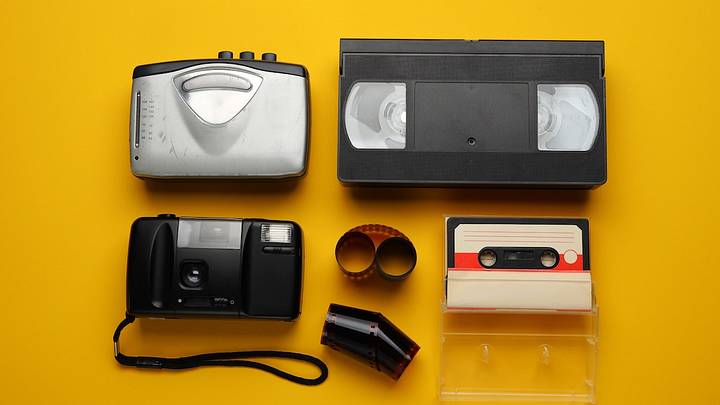
Few young people in the 2020s will have ever forced a VHS tape into a player, felt the weighty resistance of pressing the "play" and "record" buttons down together on a cassette recorder, or, earlier still, had to manually clasp shut a computer drive after inserting a 5.25" floppy disk.
Video Rental Stores

Perhaps one of the most obvious wholesale experiences of the pre-internet past was that found in a Blockbuster store. With an internet connection, you can buy, rent, and stream practically any film you want to, anywhere in the world today—but in the past, if you arrived too late to your local video rental store to pick up one of the first copies of whatever the latest movie to make the leap from the big to the small screen was, then you’d have to wait two nights to try again once everyone else had returned theirs.
Besides the rush for the latest releases, though, rental stores made browsing for movies a far more physical, social, and haphazard process than the algorithm-driven scrolling of streaming apps today. (Plus there was always the added risk of catching sight of the nightmare-fuel cover of some 1980s video nasty if you wandered into the wrong section…)
The Family Album

If you had to name the medium that has been changed the most by the arrival of the internet, chances are you’d pick something from the streaming age, like film, television, or music. But the internet’s impact on photography must surely rank among its most extraordinary lasting effects, with the simple act of taking a photo now almost entirely different from the past.
Where once you would be limited by the number of exposures left on a spool of camera film—and would have to wait a week or so to have them developed to see if any of them even came out correctly—you can now take, edit, and store as many pictures as you want, before sharing them with the entire world, should you be so inclined. The digitization of photography, and the sharing of pictures online, ultimately, has made the padded family album something of an anachronism—along with the hazy, out-of-focus, red-eyed, thumb-over-the-lens, overexposed photos that you had to include in it as they were the best ones off the roll.
Being in the Dark

Overhear a song on the radio or in a movie, and these days you can Google the lyrics or use an app to identify it, and have it downloaded and added to your playlist in a matter of seconds. In the pre-internet era, though, if the DJ didn’t name the song when it was finished, or you didn’t quite catch the title or who sang it, it was all but lost for good.
And that’s not the only way in which the pre-internet world rather kept us in the dark and forced us to be a little more proactive when it came to finding things out. Want to know about opening hours, cinema times, last orders, or last seatings? A quick search online or a check of a business' social media accounts will likely sort you out nowadays. Just a few years ago, though, you’d be left having to track down a business' details in the phone book, and telephoning them to ask them directly. If they were too busy to take the call, or no one answered, you’d simply just not know for sure.