%20%20--%3E%0A%3Csvg%20version%3D%221.1%22%20id%3D%22Layer_1%22%20xmlns%3D%22http%3A%2F%2Fwww.w3.org%2F2000%2Fsvg%22%20xmlns%3Axlink%3D%22http%3A%2F%2Fwww.w3.org%2F1999%2Fxlink%22%20x%3D%220px%22%20y%3D%220px%22%0A%09%20viewBox%3D%220%200%20684.6%2068.1%22%20style%3D%22enable-background%3Anew%200%200%20684.6%2068.1%3B%22%20xml%3Aspace%3D%22preserve%22%3E%0A%3Cg%3E%0A%09%3Cpath%20d%3D%22M444.1%2C29.3h-17.4v14.5h17.4V29.3z%20M36.4%2C68.1l29.3-50.8V0H50.4L32.9%2C36.8L15.5%2C0H0v68.1h16.7V45.8l12.4%2C22.3H36.4z%0A%09%09%20M49.1%2C68.1h16.6V23.4L49.1%2C52.1V68.1z%20M76.6%2C68.1h45V53.8H93.3V41.6h21V27.1h-21V14.8h28.3V0.1h-45V68.1z%20M175.6%2C68.1h17.3v-68%0A%09%09h-16.5v40.3L150%2C0.1h-17.6v68h16.7V27.7L175.6%2C68.1z%20M235.8%2C14.8h15.4V0.1h-47.4v14.7H219v53.2h16.8V14.8z%20M290.3%2C45.9h-17.1%0A%09%09l7.5-15.6h2L290.3%2C45.9z%20M298.7%2C68.1h18l-32.2-68h-5.7l-32%2C68h18l3.3-7.1h27.1L298.7%2C68.1z%20M325.2%2C68.1h46.2V53.8h-29.6V0.1h-16.7%0A%09%09V68.1z%20M423.7%2C14.8h27.2V0.1H407v68h16.7V14.8z%20M462%2C68.1h46.2V53.8h-29.6V0.1H462V68.1z%20M564.8%2C34.1c0%2C10.7-7.2%2C19.2-18.5%2C19.2%0A%09%09c-11.4%2C0-18.5-8.5-18.5-19.2s7.1-19.2%2C18.5-19.2C557.6%2C14.9%2C564.8%2C23.4%2C564.8%2C34.1%20M580.6%2C34.1c0-19-14.2-34-34.3-34%0A%09%09c-20.2%2C0-34.3%2C15-34.3%2C34c0%2C19%2C14.1%2C34%2C34.3%2C34C566.4%2C68.1%2C580.6%2C53.1%2C580.6%2C34.1%20M604.8%2C20.5c0-4.1%2C3.3-6.2%2C6.7-6.2%0A%09%09c4.4%2C0%2C6.6%2C3%2C6.6%2C6.6h14.7C631.8%2C9.1%2C625.1%2C0.1%2C611%2C0.1c-12%2C0-21.7%2C9.3-21.7%2C20.6c0%2C10.9%2C5.9%2C15.9%2C16.7%2C19.8%0A%09%09c5.2%2C1.8%2C11.5%2C3.2%2C11.5%2C8c0%2C3.3-2.4%2C5.5-6.4%2C5.5c-3.6%2C0-6.6-3-6.6-6.7h-15.2c0%2C11.5%2C7.9%2C20.8%2C21.8%2C20.8c12%2C0%2C21.6-9.3%2C21.6-20.6%0A%09%09c0-10-5.3-16.4-16.7-19.8C610.6%2C26.1%2C604.8%2C25.3%2C604.8%2C20.5%20M670%2C20.9h14.7C683.8%2C9.1%2C677.1%2C0.1%2C663%2C0.1c-12%2C0-21.7%2C9.3-21.7%2C20.6%0A%09%09c0%2C10.9%2C5.9%2C15.9%2C16.7%2C19.8c5.2%2C1.8%2C11.5%2C3.2%2C11.5%2C8c0%2C3.3-2.4%2C5.5-6.4%2C5.5c-3.6%2C0-6.6-3-6.6-6.7h-15.2c0%2C11.5%2C7.9%2C20.8%2C21.8%2C20.8%0A%09%09c12%2C0%2C21.6-9.3%2C21.6-20.6c0-10-5.3-16.4-16.7-19.8c-5.4-1.6-11.3-2.4-11.3-7.2c0-4.1%2C3.3-6.2%2C6.7-6.2C667.7%2C14.4%2C670%2C17.3%2C670%2C20.9%0A%09%09%22%2F%3E%0A%3C%2Fg%3E%0A%3C%2Fsvg%3E%0A)

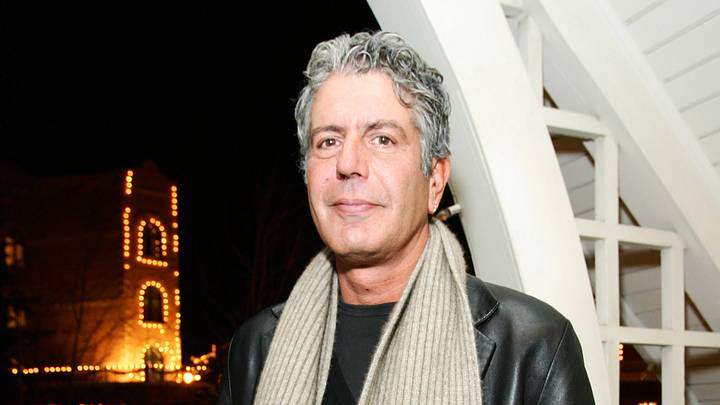
Anthony Bourdain may no longer be with us, but he left behind enough restaurant and travel recommendations to craft a lifetime's worth of itineraries. He also shared his opinions on media with the world, frequently discussing the books and movies that shaped his worldview.
Conveniently, Bourdain made his film recommendations extremely accessible by listing them out on the Criterion Collection. These films run the gamut from horror and neo-noir classics to 1940s satire, and none of them are from later than 1994. Here’s what you might have caught Bourdain watching on a plane to his next destination.
- The Friends of Eddie Coyle
- Eyes Without a Face
- The Battle of Algiers
- Chungking Express
- Kiss Me Deadly
- Merry Christmas, Mr. Lawrence
- Withnail and I
- Army of Shadows
- House of Games
- Sullivan’s Travels
The Friends of Eddie Coyle
This 1973 neo-noir is an adaptation of the novel of the same name. It follows a gunrunner facing arrest if he doesn’t provide information to law enforcement. Ultimately, he comes forward with information about a gang of bank robbers, then finds himself facing their wrath.
Bourdain, who wrote crime novels himself, called this a “superb and uncompromising adaptation of George V. Higgins’s bleak masterpiece of low-level criminality—and possibly Robert Mitchum’s finest performance.”
Eyes Without a Face
This haunting 1960 film follows a doctor who attempts to reconstruct his daughter’s face by transplanting another woman’s visage onto hers, with horrific results. Its gory content and dreamlike imagery have made it a classic among horror fans. “Georges Franju’s eerie, face-transplant melodrama has stuck in my memory since the first time I saw it as a freaked-out kid on late-night TV,” Bourdain wrote of it.
The Battle of Algiers
This 1966 movie dramatizes the people of Algiers’ fight for independence from the French government. Based on real-world rebels, it uses a newsreel format and focuses on a guerrilla fighter named Ali La Pointe as he helps to organize the revolution. It also explores the brutal methods the French used to crush the resistance. This was “the film that politicized me overnight,” Bourdain wrote. “It’s riveting, multidimensional agitprop with a compelling documentary feel—still relevant and still the best of its kind.”
Chungking Express
This evocative 1994 film tells two stories about different Hong Kong policemen as they reflect on the endings of their respective relationships. Famously poetic and abstract, it’s often interpreted as a meditation on loneliness in a crowded city. Bourdain, like many viewers, simply seemed to enjoy it for its visual beauty. “I could watch the work of Wong Kar-wai (and the brilliant cinematographer Christopher Doyle) all day long,” he wrote. “I don’t have to understand what’s going on…I don’t care. Beautiful people, photographed beautifully. His films are the best, most romantic out there.”
Kiss Me Deadly
This 1955 film noir classic is an adaptation of a Mickey Spillane novel of the same name. It follows a private investigator who picks up a hitchhiker and winds up falling down a criminal rabbit hole. Mired in Cold War paranoia, this is an uneasy and grim movie that clearly resonated with Bourdain, who called it “easily the ugliest, greasiest, darkest, and most influential noir of its day.” He added simply, “Love it.”
Merry Christmas, Mr. Lawrence
This 1983 movie stars David Bowie as a British soldier kidnapped by Japanese forces and kept in a prison camp. His behavior winds up catching the attention of the Japanese camp’s commander, and ultimately, a translator tries to bridge the gap between their very different cultural values. Bourdain called this “breathtakingly shot, with a fantastic, memorable score, and great performances by David Bowie, Tom Conti, and ‘Beat’ Takeshi Kitano.”
Withnail and I
This 1887 black comedy follows two struggling actors—one alcoholic, one neurotic—as they vacation in northern England and return home again. Noted for its general lack of plot and its distinctly British humor, it is loosely based on the life of writer and director Bruce Robinson. Bourdain called this “one of the funniest goddamn films ever made—with an amazing performance by the brilliant Richard E. Grant.”
Army of Shadows
This movie is an adaptation of Joseph Kessel’s book of the same name and is loosely based on Kessel’s experience as part of the French Resistance during World War II. Bourdain, like many viewers, appreciated its raw, realistic depiction of the harsh realities of war and the sacrifices required of those participating in the resistance. According to the chef, this was “a hard, unflinching look at what it was like to resist during wartime France. Personally, I prefer Bob le flambeur, but any Melville is good Melville,” he added. “And this is very, very good.”
House of Games
Yet another neo-noir, this 1987 movie was famed director David Mamet’s directorial debut. It follows a psychiatrist who becomes embroiled in a world of high-stakes gambling while trying to find the root of a suicidal patient’s anxiety. Bourdain called this “Mamet’s best film. Joe Mantegna’s best film. A suspense film about the big con. With a tight, delightfully convoluted script, great dialogue—and Ricky Jay!”
Sullivan’s Travels
The final film on Bourdain’s list is a 1941 satire of Hollywood. It follows a director who decides to live as a homeless person to experience suffering, which he believes is necessary for a serious film he wants to make.
Bourdain described this as “simply one of the best films ever made—and it perfectly conveys everything you need to know about film.” He seemed to particularly enjoy a scene where prisoners watch a slapstick cartoon projection, which drives home the power and importance of lightheartedness and comedy for the protagonist; Bourdain called it “a timeless, classic, and life-enriching moment.”