%20%20--%3E%0A%3Csvg%20version%3D%221.1%22%20id%3D%22Layer_1%22%20xmlns%3D%22http%3A%2F%2Fwww.w3.org%2F2000%2Fsvg%22%20xmlns%3Axlink%3D%22http%3A%2F%2Fwww.w3.org%2F1999%2Fxlink%22%20x%3D%220px%22%20y%3D%220px%22%0A%09%20viewBox%3D%220%200%20684.6%2068.1%22%20style%3D%22enable-background%3Anew%200%200%20684.6%2068.1%3B%22%20xml%3Aspace%3D%22preserve%22%3E%0A%3Cg%3E%0A%09%3Cpath%20d%3D%22M444.1%2C29.3h-17.4v14.5h17.4V29.3z%20M36.4%2C68.1l29.3-50.8V0H50.4L32.9%2C36.8L15.5%2C0H0v68.1h16.7V45.8l12.4%2C22.3H36.4z%0A%09%09%20M49.1%2C68.1h16.6V23.4L49.1%2C52.1V68.1z%20M76.6%2C68.1h45V53.8H93.3V41.6h21V27.1h-21V14.8h28.3V0.1h-45V68.1z%20M175.6%2C68.1h17.3v-68%0A%09%09h-16.5v40.3L150%2C0.1h-17.6v68h16.7V27.7L175.6%2C68.1z%20M235.8%2C14.8h15.4V0.1h-47.4v14.7H219v53.2h16.8V14.8z%20M290.3%2C45.9h-17.1%0A%09%09l7.5-15.6h2L290.3%2C45.9z%20M298.7%2C68.1h18l-32.2-68h-5.7l-32%2C68h18l3.3-7.1h27.1L298.7%2C68.1z%20M325.2%2C68.1h46.2V53.8h-29.6V0.1h-16.7%0A%09%09V68.1z%20M423.7%2C14.8h27.2V0.1H407v68h16.7V14.8z%20M462%2C68.1h46.2V53.8h-29.6V0.1H462V68.1z%20M564.8%2C34.1c0%2C10.7-7.2%2C19.2-18.5%2C19.2%0A%09%09c-11.4%2C0-18.5-8.5-18.5-19.2s7.1-19.2%2C18.5-19.2C557.6%2C14.9%2C564.8%2C23.4%2C564.8%2C34.1%20M580.6%2C34.1c0-19-14.2-34-34.3-34%0A%09%09c-20.2%2C0-34.3%2C15-34.3%2C34c0%2C19%2C14.1%2C34%2C34.3%2C34C566.4%2C68.1%2C580.6%2C53.1%2C580.6%2C34.1%20M604.8%2C20.5c0-4.1%2C3.3-6.2%2C6.7-6.2%0A%09%09c4.4%2C0%2C6.6%2C3%2C6.6%2C6.6h14.7C631.8%2C9.1%2C625.1%2C0.1%2C611%2C0.1c-12%2C0-21.7%2C9.3-21.7%2C20.6c0%2C10.9%2C5.9%2C15.9%2C16.7%2C19.8%0A%09%09c5.2%2C1.8%2C11.5%2C3.2%2C11.5%2C8c0%2C3.3-2.4%2C5.5-6.4%2C5.5c-3.6%2C0-6.6-3-6.6-6.7h-15.2c0%2C11.5%2C7.9%2C20.8%2C21.8%2C20.8c12%2C0%2C21.6-9.3%2C21.6-20.6%0A%09%09c0-10-5.3-16.4-16.7-19.8C610.6%2C26.1%2C604.8%2C25.3%2C604.8%2C20.5%20M670%2C20.9h14.7C683.8%2C9.1%2C677.1%2C0.1%2C663%2C0.1c-12%2C0-21.7%2C9.3-21.7%2C20.6%0A%09%09c0%2C10.9%2C5.9%2C15.9%2C16.7%2C19.8c5.2%2C1.8%2C11.5%2C3.2%2C11.5%2C8c0%2C3.3-2.4%2C5.5-6.4%2C5.5c-3.6%2C0-6.6-3-6.6-6.7h-15.2c0%2C11.5%2C7.9%2C20.8%2C21.8%2C20.8%0A%09%09c12%2C0%2C21.6-9.3%2C21.6-20.6c0-10-5.3-16.4-16.7-19.8c-5.4-1.6-11.3-2.4-11.3-7.2c0-4.1%2C3.3-6.2%2C6.7-6.2C667.7%2C14.4%2C670%2C17.3%2C670%2C20.9%0A%09%09%22%2F%3E%0A%3C%2Fg%3E%0A%3C%2Fsvg%3E%0A)

There are plenty of mobster movies out there, mostly dramas about the inner workings of the mafia and the intrigue, violence, and family dynamics surrounding rival organizations. You also might find the occasional comedy that sneaks in among the heavier material.
Writers, actors, and directors have been inspired by plenty of real-life mobsters over the years, but two movie makers were actually inspired by the same real-life figures—and took very different approaches for two very different movies.
The Mobster
Henry Hill was 12 years old and living in Brooklyn, New York, when he approached a man at a cab stand looking for a job, beginning his career with the Lucchese crime family. His work as an errand boy for Paul Vario, who was part of the organization, started with delivering messages and performing other tasks.
But as he became more embedded with the crime family, he started to take on bigger and bigger roles. He became a felon who was involved in major crimes in the 1960s and 1970s. He was part of a group of robbers who stole more than $400,000 during a heist at John F. Kennedy Airport and nabbed $6 million in cash and jewels in the Lufthansa heist led by one of his mentors, mobster Jimmy Burke.
The heist, however, ended up going bad, with Hill’s associates killed as part of a plan by Burke, and Hill himself feared for his life. Only a few years after the heist, Hill was arrested on narcotics-trafficking charges and decided at that point to become an FBI informant.
The Movies
Hill’s story was so compelling that it was made into a book written by Nicholas Pileggi. Wiseguy: Life in a Mafia Family was published in 1985 and detailed Hill’s life from gangster to government informant.
By the time the book was released, Hill had already blown his cover as Martin Todd Lewis a year earlier and had been cooperating with Pileggi on the book about his life, even calling Pileggi’s house to talk about his mobster life on a regular basis.
That’s how he would sometimes end up on the phone with Pileggi’s wife, film director Nora Ephron, who helmed hits like You’ve Got Mail and Sleepless in Seattle, and wrote When Harry Met Sally. She would talk to Hill while Pileggi was sleeping or before handing the phone over to her husband. What Hill didn’t know was that she was also taking notes about their conversations.
“She was picking my brain for a script she was writing,” Hill recalled in his own memoir. “I had no idea. She was on the other end taking notes.”
Those conversations inspired Ephron to write My Blue Heaven, a comedy about a mobster stuck in witness protection, played by Steve Martin. The movie featured Martin’s Vincent Antonelli as a fish out of water trying to stay hidden from the mob in the suburbs.
Meanwhile, Pileggi’s gritty nonfiction book about Hill’s life ended up in the hands of Martin Scorsese, the legendary director who connected with Pileggi to write a screenplay based on his book.
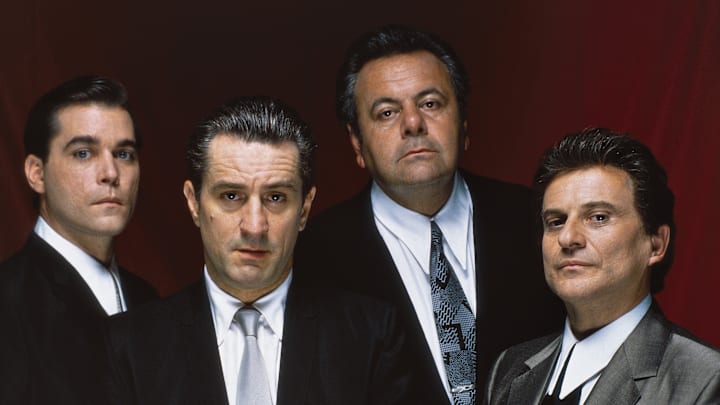
That movie became Goodfellas, a biographical drama that followed the real-life events of Henry Hill’s life in the Lucchese crime family. The drama starred Robert De Niro and Joe Pesci, as well as Ray Liotta as Henry Hill, and is widely considered to be one of Scorsese’s best movies of all time.
Goodfellas earned six Oscar nominations, including Best Picture, Best Director for Scorsese, and Best Adapted Screenplay for Scorsese and Pileggi. Pesci won the Oscar for his supporting role in the movie.
Both movies were released in 1990, with My Blue Heaven beating Goodfellas to theaters by a month.