%20%20--%3E%0A%3Csvg%20version%3D%221.1%22%20id%3D%22Layer_1%22%20xmlns%3D%22http%3A%2F%2Fwww.w3.org%2F2000%2Fsvg%22%20xmlns%3Axlink%3D%22http%3A%2F%2Fwww.w3.org%2F1999%2Fxlink%22%20x%3D%220px%22%20y%3D%220px%22%0A%09%20viewBox%3D%220%200%20684.6%2068.1%22%20style%3D%22enable-background%3Anew%200%200%20684.6%2068.1%3B%22%20xml%3Aspace%3D%22preserve%22%3E%0A%3Cg%3E%0A%09%3Cpath%20d%3D%22M444.1%2C29.3h-17.4v14.5h17.4V29.3z%20M36.4%2C68.1l29.3-50.8V0H50.4L32.9%2C36.8L15.5%2C0H0v68.1h16.7V45.8l12.4%2C22.3H36.4z%0A%09%09%20M49.1%2C68.1h16.6V23.4L49.1%2C52.1V68.1z%20M76.6%2C68.1h45V53.8H93.3V41.6h21V27.1h-21V14.8h28.3V0.1h-45V68.1z%20M175.6%2C68.1h17.3v-68%0A%09%09h-16.5v40.3L150%2C0.1h-17.6v68h16.7V27.7L175.6%2C68.1z%20M235.8%2C14.8h15.4V0.1h-47.4v14.7H219v53.2h16.8V14.8z%20M290.3%2C45.9h-17.1%0A%09%09l7.5-15.6h2L290.3%2C45.9z%20M298.7%2C68.1h18l-32.2-68h-5.7l-32%2C68h18l3.3-7.1h27.1L298.7%2C68.1z%20M325.2%2C68.1h46.2V53.8h-29.6V0.1h-16.7%0A%09%09V68.1z%20M423.7%2C14.8h27.2V0.1H407v68h16.7V14.8z%20M462%2C68.1h46.2V53.8h-29.6V0.1H462V68.1z%20M564.8%2C34.1c0%2C10.7-7.2%2C19.2-18.5%2C19.2%0A%09%09c-11.4%2C0-18.5-8.5-18.5-19.2s7.1-19.2%2C18.5-19.2C557.6%2C14.9%2C564.8%2C23.4%2C564.8%2C34.1%20M580.6%2C34.1c0-19-14.2-34-34.3-34%0A%09%09c-20.2%2C0-34.3%2C15-34.3%2C34c0%2C19%2C14.1%2C34%2C34.3%2C34C566.4%2C68.1%2C580.6%2C53.1%2C580.6%2C34.1%20M604.8%2C20.5c0-4.1%2C3.3-6.2%2C6.7-6.2%0A%09%09c4.4%2C0%2C6.6%2C3%2C6.6%2C6.6h14.7C631.8%2C9.1%2C625.1%2C0.1%2C611%2C0.1c-12%2C0-21.7%2C9.3-21.7%2C20.6c0%2C10.9%2C5.9%2C15.9%2C16.7%2C19.8%0A%09%09c5.2%2C1.8%2C11.5%2C3.2%2C11.5%2C8c0%2C3.3-2.4%2C5.5-6.4%2C5.5c-3.6%2C0-6.6-3-6.6-6.7h-15.2c0%2C11.5%2C7.9%2C20.8%2C21.8%2C20.8c12%2C0%2C21.6-9.3%2C21.6-20.6%0A%09%09c0-10-5.3-16.4-16.7-19.8C610.6%2C26.1%2C604.8%2C25.3%2C604.8%2C20.5%20M670%2C20.9h14.7C683.8%2C9.1%2C677.1%2C0.1%2C663%2C0.1c-12%2C0-21.7%2C9.3-21.7%2C20.6%0A%09%09c0%2C10.9%2C5.9%2C15.9%2C16.7%2C19.8c5.2%2C1.8%2C11.5%2C3.2%2C11.5%2C8c0%2C3.3-2.4%2C5.5-6.4%2C5.5c-3.6%2C0-6.6-3-6.6-6.7h-15.2c0%2C11.5%2C7.9%2C20.8%2C21.8%2C20.8%0A%09%09c12%2C0%2C21.6-9.3%2C21.6-20.6c0-10-5.3-16.4-16.7-19.8c-5.4-1.6-11.3-2.4-11.3-7.2c0-4.1%2C3.3-6.2%2C6.7-6.2C667.7%2C14.4%2C670%2C17.3%2C670%2C20.9%0A%09%09%22%2F%3E%0A%3C%2Fg%3E%0A%3C%2Fsvg%3E%0A)

The product of brainwave activity during sleep, dreams have long been a subject of creative and philosophical fascination. Their exact purpose is not known, though some theories hold that they help with processing emotions, strengthening memory, and analyzing events.
The exact meaning of various dreams has also been widely debated and extensively studied. Sometimes, after all, dreams are almost impossible to interpret given their abstract nature. At other times, they’ve provided writers and creatives with viable ideas for real-world stories that made their ways onto the big screen—and perhaps into the dreams of countless viewers as well. Here are seven iconic movies inspired by dreams.
Misery
Stephen King’s Misery tells the story of an obsessive fan who holds the author she adores hostage. It turns out that the idea for the book was born on an American Airlines flight.
“I fell asleep on the plane and had a dream about a popular writer…who fell into the clutches of a psychotic fan living on a farm somewhere out in the back of the beyond,” King wrote in his book On Writing. In the dream, the fan even owned a pet pig that she named Misery, after the main character in the author’s popular books.
When he woke up, King quickly began writing down what he had dreamed. “She speaks earnestly but never quite makes eye contact. A big woman and solid all through; she is the absence of hiatus,” he scribbled on a cocktail napkin.
That idea spawned the book Misery, which was later adapted into a film starring Kathy Bates. King later went on to explain that the obsessive fan in the book, Annie Wilkes, was a metaphor for drug and alcohol addiction, and the book also draws on his own experience with fans and critics. Ultimately, though, it all began in a dream, thousands of feet in the air.
It Follows
If the movie It Follows feels like a nightmare in every sense, that’s because it was inspired by one. The movie tells the story of a girl who contracts a curse that causes her to be perpetually stalked by slow-moving, determined monsters—unless she passes the curse to someone else.
This concept first appeared in a recurring nightmare that director David Robert Mitchell had as a child, in which he repeatedly dreamed that he was being stalked by a slow, malignant force.
“In the nightmare, I was followed by a monster, and I instinctively knew it was bad,” Mitchell told Den of Geek. “It looked like different people, and it seemed like I was the only person who could see or was reacting to it. It was very slow, and it was always coming towards me. It would walk towards me when I was with friends or family, at all different times. I’d have to run away, or climb out of a window, or run down the street. It was just this constant feeling of dread and anxiety. That’s where that part of it came from. I started adding to it later, as an adult, when I started thinking about taking that feeling and turning it into a movie.”
The Terminator
James Cameron’s The Terminator has spawned a massively successful franchise and has terrified and awed countless viewers with its depiction of extraordinarily violent robots. One of its most famous images comes near the very end, when a fireball devours the car holding the evil humanoid robot who has been terrorizing the Earth. They think he’s gone forever—but then he emerges from the flames in his full Terminator form.
This image quite literally came from a fever dream Cameron had during an illness when he was just starting out as a filmmaker. “Nightmares are a business asset; that’s the way I look at it,” he told Entertainment Weekly. “I was sick, I was broke, I had a high fever, and I had a dream about this metal death figure coming out of a fire. And the implication was that it had been stripped of its skin by the fire and exposed for what it really was.”
Understandably, given the success of The Terminator, Cameron has kept up a practice of mining his dreams for inspiration ever since. “When I have some particularly vivid image,” he added, “I’ll draw it or I’ll write some notes, and that goes on to this day.”
Avatar
It seems like creatively fruitful dreams might run in James Cameron's family, as the Na'vi in the Avatar movies actually originated in a dream had by Cameron's mother, who saw a ten-foot-tall, blue-skinned woman in her sleep one night and told her son about it.
Cameron also took inspiration for the film from one of his own dreams, which featured a "bioluminescent forest," and out of these oneiric visions, the surreal Avatar universe was born.
Frankenstein
Mary Shelley’s Frankenstein has inspired numerous film adaptations, with one of the most recent entries being Guillermo del Toro’s version starring Jacob Elordi and Mia Goth.
The book left an indelible impact on the horror genre and is also often credited with launching the genre of science fiction, among other achievements. Yet the seeds for the idea that became Frankenstein originated deep in the depths of the night.
It was likely around two in the morning on June 16, 1816. Earlier that day, Shelley’s friend Lord Byron—who was hosting a group at a rented estate in Geneva—had challenged everyone to write a ghost story. That night, Shelley saw a vision of a “pale student of unhallowed arts kneeling beside the thing he had put together,” according to a preface to the 1831 introduction to the book.
“I saw the hideous phantasm of a man stretched out, and then, on the working of some powerful engine, show signs of life, and stir with an uneasy, half vital motion,” she continued. “Swift as light and as cheering was the idea that broke in upon me. 'I have found it! What terrified me will terrify others; and I need only describe the spectre which had haunted my midnight pillow.’”
Whether what she saw was a vision, a dream, or some kind of hazy denizen of the netherworlds between the two remains unclear. But what Shelley experienced that night has indeed continued to haunt, terrify, and delight countless readers and viewers for over two centuries now.
Waking Life
Richard Linklater’s Waking Life is a hallucinatory journey through a maze of lucid dreams and metaphysical inquiry, so in some ways, it’s unsurprising that a dream inspired it.
“Believe it or not, a movie that’s so unreal takes all its cues from personal experience,” Linklater told PopMatters. “That really happened to me. It was a really formative lucid dream, like in the movie, that series of false awakenings. It seemed to go on for weeks and weeks, and got creepy near the end. So the narrative structure is something out of my own experience.” Still, it took years before the director felt confident that he was ready to bring his dreams to the screen.
Inception
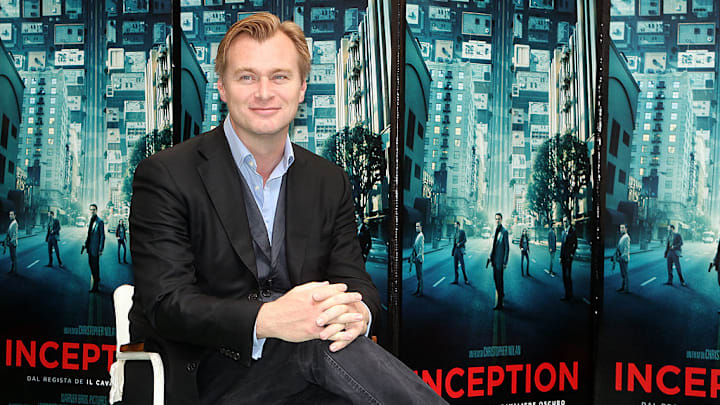
Inception follows a man who is an expert at gathering secrets by entering other people’s dreams. Fittingly, it was inspired by director Christopher Nolan’s own experiences with lucid dreaming—and specifically, with the lucid dreams he often experienced immediately after waking up and falling back asleep. Sometimes, Nolan would try to take control of the dreams, a task he found “frustratingly elusive” but was able to completely explore in Inception.
“You can look around and examine the details and pick up a handful of sand on the beach,” Nolan told The Los Angeles Times of his early adventures in lucid dreaming. “I never particularly found a limit to that; that is to say, that while in that state your brain can fill in all that reality. I tried to work that idea of manipulation and management of a conscious dream being a skill that these people have. Really the script is based on those common, very basic experiences and concepts, and where can those take you?”