%20%20--%3E%0A%3Csvg%20version%3D%221.1%22%20id%3D%22Layer_1%22%20xmlns%3D%22http%3A%2F%2Fwww.w3.org%2F2000%2Fsvg%22%20xmlns%3Axlink%3D%22http%3A%2F%2Fwww.w3.org%2F1999%2Fxlink%22%20x%3D%220px%22%20y%3D%220px%22%0A%09%20viewBox%3D%220%200%20684.6%2068.1%22%20style%3D%22enable-background%3Anew%200%200%20684.6%2068.1%3B%22%20xml%3Aspace%3D%22preserve%22%3E%0A%3Cg%3E%0A%09%3Cpath%20d%3D%22M444.1%2C29.3h-17.4v14.5h17.4V29.3z%20M36.4%2C68.1l29.3-50.8V0H50.4L32.9%2C36.8L15.5%2C0H0v68.1h16.7V45.8l12.4%2C22.3H36.4z%0A%09%09%20M49.1%2C68.1h16.6V23.4L49.1%2C52.1V68.1z%20M76.6%2C68.1h45V53.8H93.3V41.6h21V27.1h-21V14.8h28.3V0.1h-45V68.1z%20M175.6%2C68.1h17.3v-68%0A%09%09h-16.5v40.3L150%2C0.1h-17.6v68h16.7V27.7L175.6%2C68.1z%20M235.8%2C14.8h15.4V0.1h-47.4v14.7H219v53.2h16.8V14.8z%20M290.3%2C45.9h-17.1%0A%09%09l7.5-15.6h2L290.3%2C45.9z%20M298.7%2C68.1h18l-32.2-68h-5.7l-32%2C68h18l3.3-7.1h27.1L298.7%2C68.1z%20M325.2%2C68.1h46.2V53.8h-29.6V0.1h-16.7%0A%09%09V68.1z%20M423.7%2C14.8h27.2V0.1H407v68h16.7V14.8z%20M462%2C68.1h46.2V53.8h-29.6V0.1H462V68.1z%20M564.8%2C34.1c0%2C10.7-7.2%2C19.2-18.5%2C19.2%0A%09%09c-11.4%2C0-18.5-8.5-18.5-19.2s7.1-19.2%2C18.5-19.2C557.6%2C14.9%2C564.8%2C23.4%2C564.8%2C34.1%20M580.6%2C34.1c0-19-14.2-34-34.3-34%0A%09%09c-20.2%2C0-34.3%2C15-34.3%2C34c0%2C19%2C14.1%2C34%2C34.3%2C34C566.4%2C68.1%2C580.6%2C53.1%2C580.6%2C34.1%20M604.8%2C20.5c0-4.1%2C3.3-6.2%2C6.7-6.2%0A%09%09c4.4%2C0%2C6.6%2C3%2C6.6%2C6.6h14.7C631.8%2C9.1%2C625.1%2C0.1%2C611%2C0.1c-12%2C0-21.7%2C9.3-21.7%2C20.6c0%2C10.9%2C5.9%2C15.9%2C16.7%2C19.8%0A%09%09c5.2%2C1.8%2C11.5%2C3.2%2C11.5%2C8c0%2C3.3-2.4%2C5.5-6.4%2C5.5c-3.6%2C0-6.6-3-6.6-6.7h-15.2c0%2C11.5%2C7.9%2C20.8%2C21.8%2C20.8c12%2C0%2C21.6-9.3%2C21.6-20.6%0A%09%09c0-10-5.3-16.4-16.7-19.8C610.6%2C26.1%2C604.8%2C25.3%2C604.8%2C20.5%20M670%2C20.9h14.7C683.8%2C9.1%2C677.1%2C0.1%2C663%2C0.1c-12%2C0-21.7%2C9.3-21.7%2C20.6%0A%09%09c0%2C10.9%2C5.9%2C15.9%2C16.7%2C19.8c5.2%2C1.8%2C11.5%2C3.2%2C11.5%2C8c0%2C3.3-2.4%2C5.5-6.4%2C5.5c-3.6%2C0-6.6-3-6.6-6.7h-15.2c0%2C11.5%2C7.9%2C20.8%2C21.8%2C20.8%0A%09%09c12%2C0%2C21.6-9.3%2C21.6-20.6c0-10-5.3-16.4-16.7-19.8c-5.4-1.6-11.3-2.4-11.3-7.2c0-4.1%2C3.3-6.2%2C6.7-6.2C667.7%2C14.4%2C670%2C17.3%2C670%2C20.9%0A%09%09%22%2F%3E%0A%3C%2Fg%3E%0A%3C%2Fsvg%3E%0A)

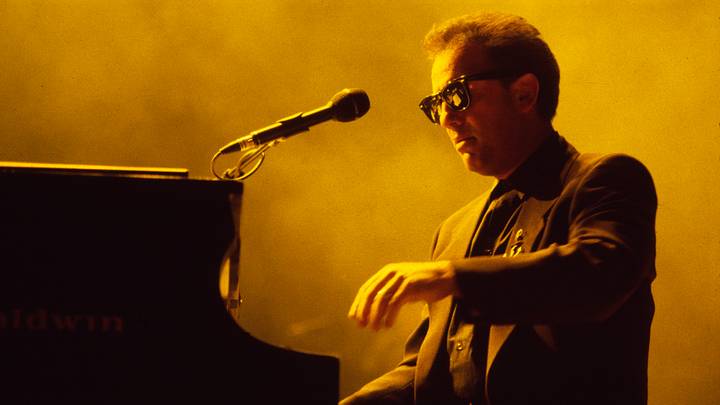
"Piano Man" Billy Joel will go down in history as one of the most popular singer-songwriters of his era. Born in the Bronx, New York City, in 1949, Joel's father, Howard, was a classical pianist of some note. Young Billy began taking piano lessons at just four.
At sixteen, he joined his first pop group, The Echoes. In 1967, he joined The Hassles and then formed a duet with drummer Jon Small called Attila. It wasn't until 1971 that Joel released his first solo album, Cold Spring Harbor. Since then, he's released a further twelve LPs over four decades, winning six Grammy Awards and selling millions of records.
The Classical Connection

Joel's hit singles, including the fantastic, swinging "Uptown Girl," the anthemic "We Didn't Start the Fire," and the beautiful "River of Dreams," sit firmly in the pop-rock camp, so you might be surprised to learn that many of his enduring influences come from a very different genre. As his official bio for the Songwriters Hall of Fame notes, Billy's earliest inspirations came from listening to classical music, with Beethoven, Debussy, and Chopin listed alongside American composers Aaron Copland and George Gershwin.
Speaking of his absolute favorite, Joel explained: "From early on, I felt Beethoven. I still think he is the greatest composer who ever lived. To me, he was the most human composer. With Beethoven, I hear the stops and the starts and the friction and the struggles that he had when he was writing. He had to struggle. The man was deaf when he wrote most of this stuff."
Beethoven's influence on the singer can be heard explicitly on Joel's ninth solo album, 1983's An Innocent Man. The chorus of one of Billy's tracks on this record, "This Night," was adapted from the second movement of Beethoven's Pathétique Sonata. Beethoven composed that piece in 1799, when he was 27 years old. It's fascinating to think that, nearly two hundred years later, part of Beethoven's sonata would appear again on a record by one of pop's greatest artists.
A Wider Spectrum of Sound

Classical music isn't the only influence stated by Joel. Despite his enduring love for that genre, he inevitably incorporated more contemporary styles into his work, citing jazz bandleader and composer extraordinaire Duke Ellington, fellow pianist Dave Brubeck, legendary soul and R&B artist Ray Charles, the fantastic soul singer Otis Redding, guitar wizard Jimi Hendrix, and the Beatles as other musical obsessions.