%20%20--%3E%0A%3Csvg%20version%3D%221.1%22%20id%3D%22Layer_1%22%20xmlns%3D%22http%3A%2F%2Fwww.w3.org%2F2000%2Fsvg%22%20xmlns%3Axlink%3D%22http%3A%2F%2Fwww.w3.org%2F1999%2Fxlink%22%20x%3D%220px%22%20y%3D%220px%22%0A%09%20viewBox%3D%220%200%20684.6%2068.1%22%20style%3D%22enable-background%3Anew%200%200%20684.6%2068.1%3B%22%20xml%3Aspace%3D%22preserve%22%3E%0A%3Cg%3E%0A%09%3Cpath%20d%3D%22M444.1%2C29.3h-17.4v14.5h17.4V29.3z%20M36.4%2C68.1l29.3-50.8V0H50.4L32.9%2C36.8L15.5%2C0H0v68.1h16.7V45.8l12.4%2C22.3H36.4z%0A%09%09%20M49.1%2C68.1h16.6V23.4L49.1%2C52.1V68.1z%20M76.6%2C68.1h45V53.8H93.3V41.6h21V27.1h-21V14.8h28.3V0.1h-45V68.1z%20M175.6%2C68.1h17.3v-68%0A%09%09h-16.5v40.3L150%2C0.1h-17.6v68h16.7V27.7L175.6%2C68.1z%20M235.8%2C14.8h15.4V0.1h-47.4v14.7H219v53.2h16.8V14.8z%20M290.3%2C45.9h-17.1%0A%09%09l7.5-15.6h2L290.3%2C45.9z%20M298.7%2C68.1h18l-32.2-68h-5.7l-32%2C68h18l3.3-7.1h27.1L298.7%2C68.1z%20M325.2%2C68.1h46.2V53.8h-29.6V0.1h-16.7%0A%09%09V68.1z%20M423.7%2C14.8h27.2V0.1H407v68h16.7V14.8z%20M462%2C68.1h46.2V53.8h-29.6V0.1H462V68.1z%20M564.8%2C34.1c0%2C10.7-7.2%2C19.2-18.5%2C19.2%0A%09%09c-11.4%2C0-18.5-8.5-18.5-19.2s7.1-19.2%2C18.5-19.2C557.6%2C14.9%2C564.8%2C23.4%2C564.8%2C34.1%20M580.6%2C34.1c0-19-14.2-34-34.3-34%0A%09%09c-20.2%2C0-34.3%2C15-34.3%2C34c0%2C19%2C14.1%2C34%2C34.3%2C34C566.4%2C68.1%2C580.6%2C53.1%2C580.6%2C34.1%20M604.8%2C20.5c0-4.1%2C3.3-6.2%2C6.7-6.2%0A%09%09c4.4%2C0%2C6.6%2C3%2C6.6%2C6.6h14.7C631.8%2C9.1%2C625.1%2C0.1%2C611%2C0.1c-12%2C0-21.7%2C9.3-21.7%2C20.6c0%2C10.9%2C5.9%2C15.9%2C16.7%2C19.8%0A%09%09c5.2%2C1.8%2C11.5%2C3.2%2C11.5%2C8c0%2C3.3-2.4%2C5.5-6.4%2C5.5c-3.6%2C0-6.6-3-6.6-6.7h-15.2c0%2C11.5%2C7.9%2C20.8%2C21.8%2C20.8c12%2C0%2C21.6-9.3%2C21.6-20.6%0A%09%09c0-10-5.3-16.4-16.7-19.8C610.6%2C26.1%2C604.8%2C25.3%2C604.8%2C20.5%20M670%2C20.9h14.7C683.8%2C9.1%2C677.1%2C0.1%2C663%2C0.1c-12%2C0-21.7%2C9.3-21.7%2C20.6%0A%09%09c0%2C10.9%2C5.9%2C15.9%2C16.7%2C19.8c5.2%2C1.8%2C11.5%2C3.2%2C11.5%2C8c0%2C3.3-2.4%2C5.5-6.4%2C5.5c-3.6%2C0-6.6-3-6.6-6.7h-15.2c0%2C11.5%2C7.9%2C20.8%2C21.8%2C20.8%0A%09%09c12%2C0%2C21.6-9.3%2C21.6-20.6c0-10-5.3-16.4-16.7-19.8c-5.4-1.6-11.3-2.4-11.3-7.2c0-4.1%2C3.3-6.2%2C6.7-6.2C667.7%2C14.4%2C670%2C17.3%2C670%2C20.9%0A%09%09%22%2F%3E%0A%3C%2Fg%3E%0A%3C%2Fsvg%3E%0A)

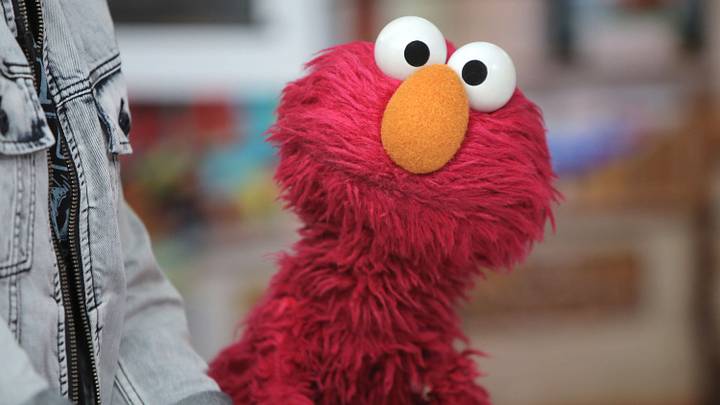
Can you imagine a world where Sesame Street is called 123 Avenue B?
Before the beloved children’s educational program was launched on November 10, 1969, that was the name co-creators Joan Ganz Cooney and Lloyd Morrisett were weighing with their team.
While the original show title doesn’t quite roll off the tongue, it is fun to say. Most importantly, it connected the series to New York City, the diverse populace Sesame Street would draw inspiration from in its design, character representation, and understanding of the world around it. But 123 Avenue B was deemed too on the nose because it’s an actual street in Alphabet City located in the East Village near the Lower East Side.
Naming the Street: From Alphabet City to Sesame

For a series sponsored by letters and numbers, Alphabet City would have been the perfect place to set the program. However, in choosing to name the show after a fictional street, a new idea took shape.
Sesame Street gets its name from “open sesame,” the phrase popularized by Antoine Galland’s translation of “Ali Baba and the Forty Thieves” from One Thousand and One Nights. In the story, the thieves use the phrase to open the secret entrance to their treasure trove. According to Sesame Workshop, the word ‘sesame’ is meant to invoke “a street where neat stuff happens,” and that’s exactly what the show has come to embody.
A Street Where Learning Happens

60 years ago, in 1966, the series was simply a thought based on the question of whether a television program could educate children. Cooney worked for the local PBS station, WNET THIRTEEN, as a documentarian. With the support of Morrisett, who was vice president of the Carnegie Corporation of New York, she conducted a study that spanned three months—The Potential Uses of Television in Preschool Education. Cooney interviewed early learning experts as well as children’s television producers and filmmakers to answer this question, and it became the basis for Sesame Street and the Children’s Television Workshop (now known as the Sesame Workshop).
The series is the first preschool program to blend education and entertainment to teach children basic skills through play, pretend, and storytelling. Young viewers learn and practice their alphabet and counting. They also expand their reasoning ability and strengthen their literacy through the show. Sesame Street incorporates topics on health, science, art, music, and dance. It helps parents develop their child’s social skills and healthily navigate their emotions as well.
Since 1969, the show has broadcast daily and remained committed to taking a multicultural approach to discussing and teaching about the diverse world its characters and audience live in. More than 300 PBS stations carry the program, and it’s available on Netflix and YouTube. The series has been watched by hundreds of millions of children across the world in more than 140 countries. Per Sesame Workshop, “Indigenous co-productions reflecting local languages, customs, and educational needs have since been produced for audiences in the Arab world, Israel, India, Indonesia, Bosnia, Portugal, Turkey, Germany, France, Poland, Norway, Sweden, Holland, Russia, China, South Africa, Egypt, the Philippines, Canada, Spain, and Latin America.”
Finding Sesame Street in the Real World

Though Sesame Street is fictional, and Alphabet City didn’t become its home, it is actually possible to visit. The show itself is filmed in Astoria, Queens, at Kaufman Astoria Studios. But if you want to take a picture beneath its sign in New York City, you’ll need to go to the block of West 63rd Street between Central Park West and Broadway in Manhattan on the Upper West Side. That’s where the official “Sesame Street” is located, right next to Sesame Workshop’s headquarters.
In 2019, Mayor Bill de Blasio bestowed the address on the series for its 50th anniversary. It’s possible to reach Sesame Street by subway, just like you can in the program. So, if anyone asks, “Can you tell me how to get to Sesame Street?” you can say yes and show them the way.