%20%20--%3E%0A%3Csvg%20version%3D%221.1%22%20id%3D%22Layer_1%22%20xmlns%3D%22http%3A%2F%2Fwww.w3.org%2F2000%2Fsvg%22%20xmlns%3Axlink%3D%22http%3A%2F%2Fwww.w3.org%2F1999%2Fxlink%22%20x%3D%220px%22%20y%3D%220px%22%0A%09%20viewBox%3D%220%200%20684.6%2068.1%22%20style%3D%22enable-background%3Anew%200%200%20684.6%2068.1%3B%22%20xml%3Aspace%3D%22preserve%22%3E%0A%3Cg%3E%0A%09%3Cpath%20d%3D%22M444.1%2C29.3h-17.4v14.5h17.4V29.3z%20M36.4%2C68.1l29.3-50.8V0H50.4L32.9%2C36.8L15.5%2C0H0v68.1h16.7V45.8l12.4%2C22.3H36.4z%0A%09%09%20M49.1%2C68.1h16.6V23.4L49.1%2C52.1V68.1z%20M76.6%2C68.1h45V53.8H93.3V41.6h21V27.1h-21V14.8h28.3V0.1h-45V68.1z%20M175.6%2C68.1h17.3v-68%0A%09%09h-16.5v40.3L150%2C0.1h-17.6v68h16.7V27.7L175.6%2C68.1z%20M235.8%2C14.8h15.4V0.1h-47.4v14.7H219v53.2h16.8V14.8z%20M290.3%2C45.9h-17.1%0A%09%09l7.5-15.6h2L290.3%2C45.9z%20M298.7%2C68.1h18l-32.2-68h-5.7l-32%2C68h18l3.3-7.1h27.1L298.7%2C68.1z%20M325.2%2C68.1h46.2V53.8h-29.6V0.1h-16.7%0A%09%09V68.1z%20M423.7%2C14.8h27.2V0.1H407v68h16.7V14.8z%20M462%2C68.1h46.2V53.8h-29.6V0.1H462V68.1z%20M564.8%2C34.1c0%2C10.7-7.2%2C19.2-18.5%2C19.2%0A%09%09c-11.4%2C0-18.5-8.5-18.5-19.2s7.1-19.2%2C18.5-19.2C557.6%2C14.9%2C564.8%2C23.4%2C564.8%2C34.1%20M580.6%2C34.1c0-19-14.2-34-34.3-34%0A%09%09c-20.2%2C0-34.3%2C15-34.3%2C34c0%2C19%2C14.1%2C34%2C34.3%2C34C566.4%2C68.1%2C580.6%2C53.1%2C580.6%2C34.1%20M604.8%2C20.5c0-4.1%2C3.3-6.2%2C6.7-6.2%0A%09%09c4.4%2C0%2C6.6%2C3%2C6.6%2C6.6h14.7C631.8%2C9.1%2C625.1%2C0.1%2C611%2C0.1c-12%2C0-21.7%2C9.3-21.7%2C20.6c0%2C10.9%2C5.9%2C15.9%2C16.7%2C19.8%0A%09%09c5.2%2C1.8%2C11.5%2C3.2%2C11.5%2C8c0%2C3.3-2.4%2C5.5-6.4%2C5.5c-3.6%2C0-6.6-3-6.6-6.7h-15.2c0%2C11.5%2C7.9%2C20.8%2C21.8%2C20.8c12%2C0%2C21.6-9.3%2C21.6-20.6%0A%09%09c0-10-5.3-16.4-16.7-19.8C610.6%2C26.1%2C604.8%2C25.3%2C604.8%2C20.5%20M670%2C20.9h14.7C683.8%2C9.1%2C677.1%2C0.1%2C663%2C0.1c-12%2C0-21.7%2C9.3-21.7%2C20.6%0A%09%09c0%2C10.9%2C5.9%2C15.9%2C16.7%2C19.8c5.2%2C1.8%2C11.5%2C3.2%2C11.5%2C8c0%2C3.3-2.4%2C5.5-6.4%2C5.5c-3.6%2C0-6.6-3-6.6-6.7h-15.2c0%2C11.5%2C7.9%2C20.8%2C21.8%2C20.8%0A%09%09c12%2C0%2C21.6-9.3%2C21.6-20.6c0-10-5.3-16.4-16.7-19.8c-5.4-1.6-11.3-2.4-11.3-7.2c0-4.1%2C3.3-6.2%2C6.7-6.2C667.7%2C14.4%2C670%2C17.3%2C670%2C20.9%0A%09%09%22%2F%3E%0A%3C%2Fg%3E%0A%3C%2Fsvg%3E%0A)

Even if you’re a hopeless romantic, it’s easy to see that the fairytale romances in Bridgerton are more fantasy than fact. But the emotional vulnerability and swooning tendencies of the show’s men aren’t the only historical inaccuracies. Set in Regency-era England, Bridgerton brings society to life in dazzling gowns and daring racial diversity—but real life wasn’t nearly as colorful. Between glamorous balls and gossip columns, the series captures the spirit of Julia Quinn’s novels, even if it takes liberties with history. Some of Bridgerton’s Regency-era details hit the mark, but others are pure Hollywood. With season 4 on the way, let’s see which are fact and which are fiction.
1. RIGHT: "SCANDAL SHEETS" WERE ALL THE RAGE DURING THE REGENCY ERA

Gossip columns aren't new, and Lady Whistledown's Society Papers certainly weren't invented for the sake of drama. During the Regency era, publications known as “scandal sheets” thrived by reporting on high society, fueled by looser printing restrictions and a growing appetite for news about the powerful. These papers followed the comings and goings of the ton, spotlighting scandals, marriages, and whispered indiscretions, and they played a real role in shaping how people were perceived within elite circles.
2. RIGHT: THE "TON" WAS VERY REAL
When characters in the show refer to the “talk of the Ton,” they’re using a real Regency-era term for high society, not just a clever turn of phrase. The term comes from the French phrase le bon ton, meaning “good manners” or “good style,” and it referred to wealthy aristocrats and fashionable families whose behaviour, dress, and etiquette set the standards of the day. During the London Season—when Parliament was in session, and society gathered for balls and parties—strict social rules governed everything from introductions at court to how debutantes were presented and danced.
3. RIGHT: QUEEN CHARLOTTE HOSTED YEARLY DEBUTANTE BALLS

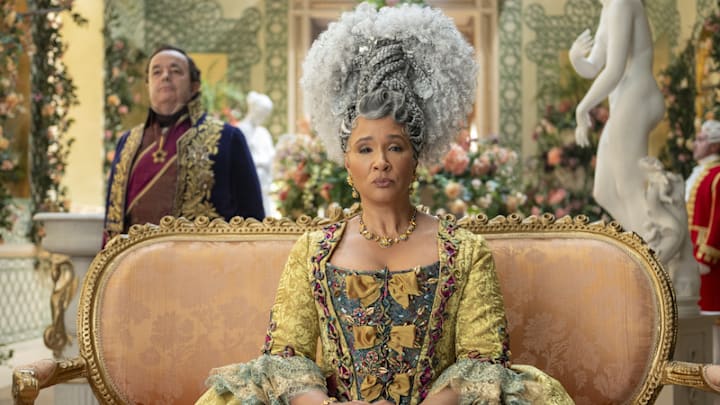
Queen Charlotte really did play a central role in the debutante tradition that Bridgerton dramatizes. The annual ball was founded in 1780 by King George III to celebrate the queen’s birthday, and it quickly became the highlight of the London social season, attracting the wealthiest and most influential families of Regency England. Far more than just glamorous parties, the balls functioned as a marriage market, giving young women the chance to be formally presented to society and elite families the opportunity to arrange advantageous matches. Etiquette and social rules were strictly observed, governing everything from introductions at court to the number of dances a debutante could accept.
4. WRONG: RACIAL DIVERSITY WAS RARE AMONG THE ELITE
Regency-era high society was far less cosmopolitan than Bridgerton suggests. While there were people of color in cities and port towns—Black sailors, servants, and some mixed-race families—the elite circles, like the ton, were overwhelmingly white. A few high-class South Asian women, such as Catherine “Kitty” Kirkpatrick, entered English society by marrying British men stationed in India, but these instances were rare. The show’s sweeping racial diversity, including a Black Queen Charlotte granting equality and characters like Kate Sharma moving freely into high society, is largely a creative reimagining rather than historical fact.
5: WRONG: THE CHARACTERS' CORSETS STRAYED FROM REGENCY STYLE

While the corsets in Bridgerton make for striking silhouettes, they aren’t historically accurate. During the Regency era, women typically wore stays or lighter corsets that provided support without dramatically cinching the waist. Tight-lacing—where the waist was drawn in to extreme, cartoonishly tiny proportions—was not common at the time, and the tiny hourglass shape seen on screen would have been nearly impossible to achieve.
The show also replaced bonnets—a staple for women at the time—with decorative hats, and muted dresses with vibrant gowns. In short, Hollywood took liberties: the corsets may look elegant, but real Regency fashion was more about structure than extreme waist reduction.
6. WRONG: QUEEN CHARLOTTE WASN'T ACTUALLY IN CHARGE
Bridgerton shows Queen Charlotte as a commanding ruler who takes over when King George III is incapacitated, but in reality, women—even queens—had very limited political authority. When George III’s health declined in 1811, their son, George IV, became Regent and ran the kingdom. Legally, Charlotte was her husband’s guardian and oversaw the royal children, but she didn't govern.
Instead, she withdrew from public life, kept her distance from the king, and focused on family and private matters rather than ruling the country. So while the show gives Charlotte a bold, hands-on role, real life was a bit more “behind the scenes” than behind the throne.