%20%20--%3E%0A%3Csvg%20version%3D%221.1%22%20id%3D%22Layer_1%22%20xmlns%3D%22http%3A%2F%2Fwww.w3.org%2F2000%2Fsvg%22%20xmlns%3Axlink%3D%22http%3A%2F%2Fwww.w3.org%2F1999%2Fxlink%22%20x%3D%220px%22%20y%3D%220px%22%0A%09%20viewBox%3D%220%200%20684.6%2068.1%22%20style%3D%22enable-background%3Anew%200%200%20684.6%2068.1%3B%22%20xml%3Aspace%3D%22preserve%22%3E%0A%3Cg%3E%0A%09%3Cpath%20d%3D%22M444.1%2C29.3h-17.4v14.5h17.4V29.3z%20M36.4%2C68.1l29.3-50.8V0H50.4L32.9%2C36.8L15.5%2C0H0v68.1h16.7V45.8l12.4%2C22.3H36.4z%0A%09%09%20M49.1%2C68.1h16.6V23.4L49.1%2C52.1V68.1z%20M76.6%2C68.1h45V53.8H93.3V41.6h21V27.1h-21V14.8h28.3V0.1h-45V68.1z%20M175.6%2C68.1h17.3v-68%0A%09%09h-16.5v40.3L150%2C0.1h-17.6v68h16.7V27.7L175.6%2C68.1z%20M235.8%2C14.8h15.4V0.1h-47.4v14.7H219v53.2h16.8V14.8z%20M290.3%2C45.9h-17.1%0A%09%09l7.5-15.6h2L290.3%2C45.9z%20M298.7%2C68.1h18l-32.2-68h-5.7l-32%2C68h18l3.3-7.1h27.1L298.7%2C68.1z%20M325.2%2C68.1h46.2V53.8h-29.6V0.1h-16.7%0A%09%09V68.1z%20M423.7%2C14.8h27.2V0.1H407v68h16.7V14.8z%20M462%2C68.1h46.2V53.8h-29.6V0.1H462V68.1z%20M564.8%2C34.1c0%2C10.7-7.2%2C19.2-18.5%2C19.2%0A%09%09c-11.4%2C0-18.5-8.5-18.5-19.2s7.1-19.2%2C18.5-19.2C557.6%2C14.9%2C564.8%2C23.4%2C564.8%2C34.1%20M580.6%2C34.1c0-19-14.2-34-34.3-34%0A%09%09c-20.2%2C0-34.3%2C15-34.3%2C34c0%2C19%2C14.1%2C34%2C34.3%2C34C566.4%2C68.1%2C580.6%2C53.1%2C580.6%2C34.1%20M604.8%2C20.5c0-4.1%2C3.3-6.2%2C6.7-6.2%0A%09%09c4.4%2C0%2C6.6%2C3%2C6.6%2C6.6h14.7C631.8%2C9.1%2C625.1%2C0.1%2C611%2C0.1c-12%2C0-21.7%2C9.3-21.7%2C20.6c0%2C10.9%2C5.9%2C15.9%2C16.7%2C19.8%0A%09%09c5.2%2C1.8%2C11.5%2C3.2%2C11.5%2C8c0%2C3.3-2.4%2C5.5-6.4%2C5.5c-3.6%2C0-6.6-3-6.6-6.7h-15.2c0%2C11.5%2C7.9%2C20.8%2C21.8%2C20.8c12%2C0%2C21.6-9.3%2C21.6-20.6%0A%09%09c0-10-5.3-16.4-16.7-19.8C610.6%2C26.1%2C604.8%2C25.3%2C604.8%2C20.5%20M670%2C20.9h14.7C683.8%2C9.1%2C677.1%2C0.1%2C663%2C0.1c-12%2C0-21.7%2C9.3-21.7%2C20.6%0A%09%09c0%2C10.9%2C5.9%2C15.9%2C16.7%2C19.8c5.2%2C1.8%2C11.5%2C3.2%2C11.5%2C8c0%2C3.3-2.4%2C5.5-6.4%2C5.5c-3.6%2C0-6.6-3-6.6-6.7h-15.2c0%2C11.5%2C7.9%2C20.8%2C21.8%2C20.8%0A%09%09c12%2C0%2C21.6-9.3%2C21.6-20.6c0-10-5.3-16.4-16.7-19.8c-5.4-1.6-11.3-2.4-11.3-7.2c0-4.1%2C3.3-6.2%2C6.7-6.2C667.7%2C14.4%2C670%2C17.3%2C670%2C20.9%0A%09%09%22%2F%3E%0A%3C%2Fg%3E%0A%3C%2Fsvg%3E%0A)

You know the saying, "an apple a day keeps the doctor away," but does it really?
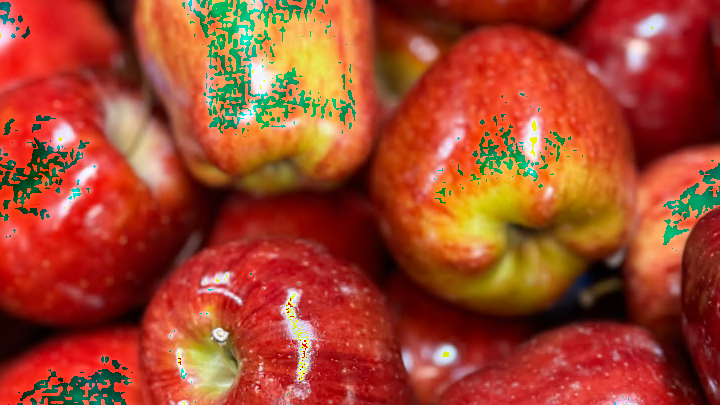
The apples at the grocery store look shiny and fresh enough to place in your cart and promptly sink your teeth into the moment you get home. Sure, they seem appealing, but what makes them so glossy and flawless? And if it's safe to consume, what exactly is it?
Wax on apples: produce hack or red flag? Let's find out.
WHY DO GROCERY STORE APPLES LOOK SO SHINY?

Apples produce a natural wax to protect their peel from fungus and trap moisture, but this is not the shine you see on the fruit in the crates at the grocery store. According to McGill, once picked, apples are washed to remove residue and dirt, which also removes their natural wax. They receive an additional wax coating made from one of three sources: carnauba wax (derived from Brazilian palm leaves), candelilla wax (from the candelilla succulent), or shellac (produced by the lac bug native to India).
Some apples are sprayed with synthetic combinations of sucrose and fatty acids and coated with a thin layer of polyethylene (plastic). Morpholine oleate (a chemical emulsifier) is also added to the mixture to increase the spreadability. Washing an apple with any of these coatings prior to consumption removes the pesticides, and the wax itself does not absorb into the apple.
Organic apples are also coated before you pick them up at the grocery store, but only with natural sources such as wood resin, carnauba wax, and beeswax. While washing the fruit does not remove the wax coating, it does remove any possible dirt and bacteria.
WHY WAX?

So why are we coating our apples anyway?
Adding wax not only makes the apples look more appetizing, but it also protects them from molds and lengthens their shelf life. Without a wax coating, apples would lose moisture, become susceptible to fungal growth, and spoil much more rapidly. So, the wax is assurance that no microorganisms have entered the apple, and that its moisture is retained, giving it that crisp, juicy taste we crave.
The Department of Agriculture has conducted studies that show apples without wax coatings become softer quicker and more likely to harbor bacteria.
Fun Fact: We've been coating apples and other fruits (tomatoes, peppers, melons, cucumbers, rutabagas, and citrus fruits) with wax since 1924.
IS IT SAFE TO CONSUME?

All forms of wax mentioned above, organic and non-organic, are approved by the FDA and, allegedly, do not disrupt the digestive system.
While certified for safety, if you personally feel it’s not in your best interest to consume the wax, you can purchase a vegetable brush that, after the apple is submerged in lukewarm water, will help remove much of the coating, in addition to any dirt. If you're still not convinced and refuse to let shellac produced by a bug or plastic used to make shopping bags enter your body, you might want to remove the peel altogether.
HOW TO READ THE STICKER

If the PLU code present on the apple's sticker is a four-digit code that starts with a 3 or a 4, it's likely coated in synthetic or petroleum-based wax and was grown with pesticides.
A five-digit PLU code beginning with 9 indicates the produce is organically grown and coated with a natural wax, such as carnauba wax or beeswax. This designation also means the fruit was cultivated without synthetic fertilizers or chemicals, relying instead on manure or plant-based pesticides, like neem oil.
DOES AN APPLE A DAY KEEP THE DOCTOR AWAY?

Apples are very nutritious. They contain an array of antioxidants that aid in digestion, reduce inflammation, and protect against cancer. They have also been known to regulate blood sugar, improve lung function, aid in weight loss, increase the "good bacteria" in the gut, and reduce oxidative stress in the brain.
If the only thing you do to support your overall health is eat an apple a day, it might not keep the doctor away, but it can certainly benefit your body. As for the wax coating, that's up to you! The FDA assures its safety, but you have the option to wash it, scrub it with a vegetable brush, or remove the peel before consumption if that's what you prefer.