%20%20--%3E%0A%3Csvg%20version%3D%221.1%22%20id%3D%22Layer_1%22%20xmlns%3D%22http%3A%2F%2Fwww.w3.org%2F2000%2Fsvg%22%20xmlns%3Axlink%3D%22http%3A%2F%2Fwww.w3.org%2F1999%2Fxlink%22%20x%3D%220px%22%20y%3D%220px%22%0A%09%20viewBox%3D%220%200%20684.6%2068.1%22%20style%3D%22enable-background%3Anew%200%200%20684.6%2068.1%3B%22%20xml%3Aspace%3D%22preserve%22%3E%0A%3Cg%3E%0A%09%3Cpath%20d%3D%22M444.1%2C29.3h-17.4v14.5h17.4V29.3z%20M36.4%2C68.1l29.3-50.8V0H50.4L32.9%2C36.8L15.5%2C0H0v68.1h16.7V45.8l12.4%2C22.3H36.4z%0A%09%09%20M49.1%2C68.1h16.6V23.4L49.1%2C52.1V68.1z%20M76.6%2C68.1h45V53.8H93.3V41.6h21V27.1h-21V14.8h28.3V0.1h-45V68.1z%20M175.6%2C68.1h17.3v-68%0A%09%09h-16.5v40.3L150%2C0.1h-17.6v68h16.7V27.7L175.6%2C68.1z%20M235.8%2C14.8h15.4V0.1h-47.4v14.7H219v53.2h16.8V14.8z%20M290.3%2C45.9h-17.1%0A%09%09l7.5-15.6h2L290.3%2C45.9z%20M298.7%2C68.1h18l-32.2-68h-5.7l-32%2C68h18l3.3-7.1h27.1L298.7%2C68.1z%20M325.2%2C68.1h46.2V53.8h-29.6V0.1h-16.7%0A%09%09V68.1z%20M423.7%2C14.8h27.2V0.1H407v68h16.7V14.8z%20M462%2C68.1h46.2V53.8h-29.6V0.1H462V68.1z%20M564.8%2C34.1c0%2C10.7-7.2%2C19.2-18.5%2C19.2%0A%09%09c-11.4%2C0-18.5-8.5-18.5-19.2s7.1-19.2%2C18.5-19.2C557.6%2C14.9%2C564.8%2C23.4%2C564.8%2C34.1%20M580.6%2C34.1c0-19-14.2-34-34.3-34%0A%09%09c-20.2%2C0-34.3%2C15-34.3%2C34c0%2C19%2C14.1%2C34%2C34.3%2C34C566.4%2C68.1%2C580.6%2C53.1%2C580.6%2C34.1%20M604.8%2C20.5c0-4.1%2C3.3-6.2%2C6.7-6.2%0A%09%09c4.4%2C0%2C6.6%2C3%2C6.6%2C6.6h14.7C631.8%2C9.1%2C625.1%2C0.1%2C611%2C0.1c-12%2C0-21.7%2C9.3-21.7%2C20.6c0%2C10.9%2C5.9%2C15.9%2C16.7%2C19.8%0A%09%09c5.2%2C1.8%2C11.5%2C3.2%2C11.5%2C8c0%2C3.3-2.4%2C5.5-6.4%2C5.5c-3.6%2C0-6.6-3-6.6-6.7h-15.2c0%2C11.5%2C7.9%2C20.8%2C21.8%2C20.8c12%2C0%2C21.6-9.3%2C21.6-20.6%0A%09%09c0-10-5.3-16.4-16.7-19.8C610.6%2C26.1%2C604.8%2C25.3%2C604.8%2C20.5%20M670%2C20.9h14.7C683.8%2C9.1%2C677.1%2C0.1%2C663%2C0.1c-12%2C0-21.7%2C9.3-21.7%2C20.6%0A%09%09c0%2C10.9%2C5.9%2C15.9%2C16.7%2C19.8c5.2%2C1.8%2C11.5%2C3.2%2C11.5%2C8c0%2C3.3-2.4%2C5.5-6.4%2C5.5c-3.6%2C0-6.6-3-6.6-6.7h-15.2c0%2C11.5%2C7.9%2C20.8%2C21.8%2C20.8%0A%09%09c12%2C0%2C21.6-9.3%2C21.6-20.6c0-10-5.3-16.4-16.7-19.8c-5.4-1.6-11.3-2.4-11.3-7.2c0-4.1%2C3.3-6.2%2C6.7-6.2C667.7%2C14.4%2C670%2C17.3%2C670%2C20.9%0A%09%09%22%2F%3E%0A%3C%2Fg%3E%0A%3C%2Fsvg%3E%0A)

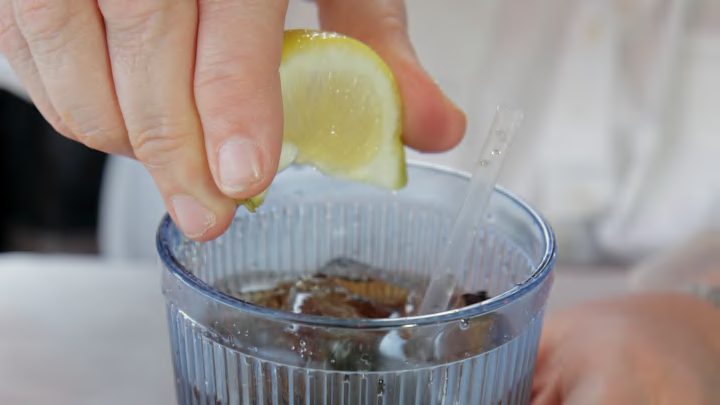
Seeing a lemon in your water when you go out to eat at a restaurant has become a pretty typical occurrence. Whether it’s a fancy restaurant or a quick sit-down spot, a slice of lemon is the default for any ice water on your table.
But there are plenty of different options out there that could’ve been chosen when it comes to adding something to your glass at a restaurant. Some restaurants even pride themselves on the design or variety of their drink garnishes, especially when it comes to trendy mocktails. A cocktail like a Bloody Mary encourages drinkers to load up on extra for their glasses. So why does your water almost always come with a lemon?
The Benefits of Lemon—At a Restaurant and at Home
Lemons have unique properties that make them well-suited for a glass of water, starting with their taste. Drinkers may find that the hint of citrus flavor from a slice of lemon can give their water glasses some extra flavor to go with their meal.
The hint of flavor can also hide some of the taste of tap water that may not be as appealing to the average restaurant customer when they sit down for a drink. Adding a lemon can give water a lighter taste, especially if it comes from a tap and isn’t filtered before it reaches someone’s table.

Adding lemon to your water can also have health benefits, as the lemon can help you with digestion, which can be important when you’re sitting down for a meal. It also offers additional benefits, such as weight loss, improved hydration, and the potential to prevent kidney stones.
Citrus fruits like lemons, limes, and oranges are a good source of Vitamin C, which can help you reduce the symptoms of colds, as well as cardiovascular issues and high blood pressure.
While we can’t pinpoint the exact timeline when the lemon became popular with drinks, one early instance could be from the 1700s, when a British doctor discovered the benefits of lemon water to treat sailors affected by scurvy, which is a condition caused by a lack of Vitamin C. Studies by Dr. James Lind found that sailors with scurvy would see their symptoms improve with water that included citrus juice like lemon juice.
Watch Your Glass
While there may be health benefits, you also might want to rethink dropping that lemon slice into your glass the next time you head to a restaurant.
Lemons go through plenty of hands in a restaurant from the time a whole lemon arrives to when a slice reaches your glass, with servers, kitchen staff, and bartenders potentially getting their hands on your lemon slice. By the time the slice with the porous skin reaches your glass, it could be covered in contaminants that end up swimming in your glass of water. In fact, multiple studies have shown that the rinds of lemon slices in restaurants can carry bacteria like E. coli, yeasts, or other contaminants.

Despite the possible bacteria, the studies also showed that there were no reports of food-borne illnesses from lemons, and there could be other ways that your food might be contaminated when it’s handled in a restaurant.
To lemon or not to lemon the next time you’re in a restaurant? It may be more about personal preference than anything else.