%20%20--%3E%0A%3Csvg%20version%3D%221.1%22%20id%3D%22Layer_1%22%20xmlns%3D%22http%3A%2F%2Fwww.w3.org%2F2000%2Fsvg%22%20xmlns%3Axlink%3D%22http%3A%2F%2Fwww.w3.org%2F1999%2Fxlink%22%20x%3D%220px%22%20y%3D%220px%22%0A%09%20viewBox%3D%220%200%20684.6%2068.1%22%20style%3D%22enable-background%3Anew%200%200%20684.6%2068.1%3B%22%20xml%3Aspace%3D%22preserve%22%3E%0A%3Cg%3E%0A%09%3Cpath%20d%3D%22M444.1%2C29.3h-17.4v14.5h17.4V29.3z%20M36.4%2C68.1l29.3-50.8V0H50.4L32.9%2C36.8L15.5%2C0H0v68.1h16.7V45.8l12.4%2C22.3H36.4z%0A%09%09%20M49.1%2C68.1h16.6V23.4L49.1%2C52.1V68.1z%20M76.6%2C68.1h45V53.8H93.3V41.6h21V27.1h-21V14.8h28.3V0.1h-45V68.1z%20M175.6%2C68.1h17.3v-68%0A%09%09h-16.5v40.3L150%2C0.1h-17.6v68h16.7V27.7L175.6%2C68.1z%20M235.8%2C14.8h15.4V0.1h-47.4v14.7H219v53.2h16.8V14.8z%20M290.3%2C45.9h-17.1%0A%09%09l7.5-15.6h2L290.3%2C45.9z%20M298.7%2C68.1h18l-32.2-68h-5.7l-32%2C68h18l3.3-7.1h27.1L298.7%2C68.1z%20M325.2%2C68.1h46.2V53.8h-29.6V0.1h-16.7%0A%09%09V68.1z%20M423.7%2C14.8h27.2V0.1H407v68h16.7V14.8z%20M462%2C68.1h46.2V53.8h-29.6V0.1H462V68.1z%20M564.8%2C34.1c0%2C10.7-7.2%2C19.2-18.5%2C19.2%0A%09%09c-11.4%2C0-18.5-8.5-18.5-19.2s7.1-19.2%2C18.5-19.2C557.6%2C14.9%2C564.8%2C23.4%2C564.8%2C34.1%20M580.6%2C34.1c0-19-14.2-34-34.3-34%0A%09%09c-20.2%2C0-34.3%2C15-34.3%2C34c0%2C19%2C14.1%2C34%2C34.3%2C34C566.4%2C68.1%2C580.6%2C53.1%2C580.6%2C34.1%20M604.8%2C20.5c0-4.1%2C3.3-6.2%2C6.7-6.2%0A%09%09c4.4%2C0%2C6.6%2C3%2C6.6%2C6.6h14.7C631.8%2C9.1%2C625.1%2C0.1%2C611%2C0.1c-12%2C0-21.7%2C9.3-21.7%2C20.6c0%2C10.9%2C5.9%2C15.9%2C16.7%2C19.8%0A%09%09c5.2%2C1.8%2C11.5%2C3.2%2C11.5%2C8c0%2C3.3-2.4%2C5.5-6.4%2C5.5c-3.6%2C0-6.6-3-6.6-6.7h-15.2c0%2C11.5%2C7.9%2C20.8%2C21.8%2C20.8c12%2C0%2C21.6-9.3%2C21.6-20.6%0A%09%09c0-10-5.3-16.4-16.7-19.8C610.6%2C26.1%2C604.8%2C25.3%2C604.8%2C20.5%20M670%2C20.9h14.7C683.8%2C9.1%2C677.1%2C0.1%2C663%2C0.1c-12%2C0-21.7%2C9.3-21.7%2C20.6%0A%09%09c0%2C10.9%2C5.9%2C15.9%2C16.7%2C19.8c5.2%2C1.8%2C11.5%2C3.2%2C11.5%2C8c0%2C3.3-2.4%2C5.5-6.4%2C5.5c-3.6%2C0-6.6-3-6.6-6.7h-15.2c0%2C11.5%2C7.9%2C20.8%2C21.8%2C20.8%0A%09%09c12%2C0%2C21.6-9.3%2C21.6-20.6c0-10-5.3-16.4-16.7-19.8c-5.4-1.6-11.3-2.4-11.3-7.2c0-4.1%2C3.3-6.2%2C6.7-6.2C667.7%2C14.4%2C670%2C17.3%2C670%2C20.9%0A%09%09%22%2F%3E%0A%3C%2Fg%3E%0A%3C%2Fsvg%3E%0A)

The first signs of fall are felt: a cool breeze, a mug warming your hands, and the clean slate of a new season.
As we look forward to brisk walks, cozy sweaters, colorful leaves, soup warming on the stove, the smell of pie coming from the oven, and other beloved holiday hallmarks, another sense awakens: taste.
Autumn has a taste.
It's pumpkin spice and everything nice, warm apple crisp, and a cinnamon twist. It’s the signature dishes you enjoyed as a child every time the temperature dropped, the scribbled writing in old recipe books passed down to your parents, and the ingredients you wait all year to throw together and pair with a fall-themed film. Traditional dishes are a big part of fall nostalgia, but many have been lost to time.
Here are six beloved fall dishes you rarely see anymore.
SQUASH PIE

Pumpkin pie might be the dish most synonymous with fall, though many still sing the praises of apple, pecan, and sweet potato pies. Yet, these days, squash pie rarely gets the shoutout it deserves.
Once a beloved fall staple, squash pie was so popular in the late 1800s and early 1900s that, according to Mashed, you could find it in cookbooks from that era almost as often as pumpkin or sweet potato pie.
Squash pie is prepared with yellow, winter, or acorn squash, mixed with ginger, nutmeg, cinnamon, molasses, lemon extract, and condensed milk: the makings of a perfectly spiced fall dessert. Many compare its consistency to pumpkin pie, which makes sense since pumpkins are actually a variety of winter squash.
APPLE DUMPLINGS

While prized apple dishes like pie, tart, fritters, and crisp still make regular table appearances at fall feasts and festivals, apple dumplings aren't mentioned as often as they once were.
Apples are first wrapped in pastry and coated with a signature cinnamon-sugar syrup that really captures the spirit of fall. Once baked, the result is a soft, flaky shell with a tender center and spices that set the season in motion.
According to The Takeout, apple dumplings were a Sunday staple served with ice cream during their heyday.
TOMATO PUDDING

Sometimes, the best dishes come from simple, available ingredients, like tomato pudding. More casserole than dessert, this once-popular dish originated in the Midwest and was crafted using classic pantry staples throughout the 20th century.
Tomato pudding contains tomato paste, bread (cut into cubes), water, brown sugar, butter, and salt.
American industrialist Henry Ford first sampled the dish at a Halloween party in Waterville, Ohio, in 1927, hosted by tavern owner Ethel Arnold. He enjoyed it so much he wanted to buy the recipe!
Though tomato pudding was a homemade delicacy in its prime, it didn't retain its popularity into the 21st century.
PUMPKIN BUTTER

Butter is essential to many fall dishes, but what about a pumpkin version? Pumpkin butter was all the rage in the 1800s, thanks to its simple, cost-effective ingredients that came together quickly and deliciously.
Pumpkin butter, spread on toast, stirred into oatmeal, or enjoyed by the spoonful, is made with cooked pumpkin purée, cinnamon, brown sugar, and cloves. It's everything you could want in a cozy fall treat.
Though no longer a mainstream staple, you might find pumpkin butter at a local farmers' market if you’re lucky.
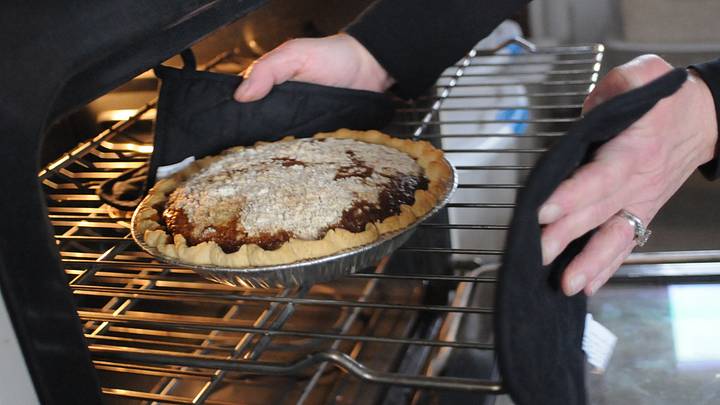
SHOOFLY PIE

The name "shoofly pie" might not sound all that appetizing, but the dessert itself is as tasty as any fall dessert. Made with traditional ingredients like molasses, brown sugar, butter, nutmeg, and cinnamon, shoofly pie originated in Pennsylvania Amish and Dutch communities.
According to the William G. Pomeroy Foundation, the dish was created after America's centennial celebrations in 1876, stemming from a beloved cake recipe.
But why is it called "shoofly pie"? Supposedly, the pie was so sweet it attracted flies, which bakers would promptly shoo away. In its prime, people topped the pie with whipped cream and enjoyed it alongside hot coffee.
ACORN MUSH

Indigenous communities across California and the Southwestern United States have enjoyed acorn mush for centuries.
According to the Phoebe A. Hearst Museum of Anthropology, the process begins by gathering acorns from the ground, cracking them open, and grinding them into flour (rinsed with water to remove naturally occurring and toxic tannic acid). The mixture is cooked over hot rocks, and voila! Acorn mush!
Native Americans still enjoy this traditional dish today, and acorn flour remains a staple in a variety of recipes thanks to its high protein content.