%20%20--%3E%0A%3Csvg%20version%3D%221.1%22%20id%3D%22Layer_1%22%20xmlns%3D%22http%3A%2F%2Fwww.w3.org%2F2000%2Fsvg%22%20xmlns%3Axlink%3D%22http%3A%2F%2Fwww.w3.org%2F1999%2Fxlink%22%20x%3D%220px%22%20y%3D%220px%22%0A%09%20viewBox%3D%220%200%20684.6%2068.1%22%20style%3D%22enable-background%3Anew%200%200%20684.6%2068.1%3B%22%20xml%3Aspace%3D%22preserve%22%3E%0A%3Cg%3E%0A%09%3Cpath%20d%3D%22M444.1%2C29.3h-17.4v14.5h17.4V29.3z%20M36.4%2C68.1l29.3-50.8V0H50.4L32.9%2C36.8L15.5%2C0H0v68.1h16.7V45.8l12.4%2C22.3H36.4z%0A%09%09%20M49.1%2C68.1h16.6V23.4L49.1%2C52.1V68.1z%20M76.6%2C68.1h45V53.8H93.3V41.6h21V27.1h-21V14.8h28.3V0.1h-45V68.1z%20M175.6%2C68.1h17.3v-68%0A%09%09h-16.5v40.3L150%2C0.1h-17.6v68h16.7V27.7L175.6%2C68.1z%20M235.8%2C14.8h15.4V0.1h-47.4v14.7H219v53.2h16.8V14.8z%20M290.3%2C45.9h-17.1%0A%09%09l7.5-15.6h2L290.3%2C45.9z%20M298.7%2C68.1h18l-32.2-68h-5.7l-32%2C68h18l3.3-7.1h27.1L298.7%2C68.1z%20M325.2%2C68.1h46.2V53.8h-29.6V0.1h-16.7%0A%09%09V68.1z%20M423.7%2C14.8h27.2V0.1H407v68h16.7V14.8z%20M462%2C68.1h46.2V53.8h-29.6V0.1H462V68.1z%20M564.8%2C34.1c0%2C10.7-7.2%2C19.2-18.5%2C19.2%0A%09%09c-11.4%2C0-18.5-8.5-18.5-19.2s7.1-19.2%2C18.5-19.2C557.6%2C14.9%2C564.8%2C23.4%2C564.8%2C34.1%20M580.6%2C34.1c0-19-14.2-34-34.3-34%0A%09%09c-20.2%2C0-34.3%2C15-34.3%2C34c0%2C19%2C14.1%2C34%2C34.3%2C34C566.4%2C68.1%2C580.6%2C53.1%2C580.6%2C34.1%20M604.8%2C20.5c0-4.1%2C3.3-6.2%2C6.7-6.2%0A%09%09c4.4%2C0%2C6.6%2C3%2C6.6%2C6.6h14.7C631.8%2C9.1%2C625.1%2C0.1%2C611%2C0.1c-12%2C0-21.7%2C9.3-21.7%2C20.6c0%2C10.9%2C5.9%2C15.9%2C16.7%2C19.8%0A%09%09c5.2%2C1.8%2C11.5%2C3.2%2C11.5%2C8c0%2C3.3-2.4%2C5.5-6.4%2C5.5c-3.6%2C0-6.6-3-6.6-6.7h-15.2c0%2C11.5%2C7.9%2C20.8%2C21.8%2C20.8c12%2C0%2C21.6-9.3%2C21.6-20.6%0A%09%09c0-10-5.3-16.4-16.7-19.8C610.6%2C26.1%2C604.8%2C25.3%2C604.8%2C20.5%20M670%2C20.9h14.7C683.8%2C9.1%2C677.1%2C0.1%2C663%2C0.1c-12%2C0-21.7%2C9.3-21.7%2C20.6%0A%09%09c0%2C10.9%2C5.9%2C15.9%2C16.7%2C19.8c5.2%2C1.8%2C11.5%2C3.2%2C11.5%2C8c0%2C3.3-2.4%2C5.5-6.4%2C5.5c-3.6%2C0-6.6-3-6.6-6.7h-15.2c0%2C11.5%2C7.9%2C20.8%2C21.8%2C20.8%0A%09%09c12%2C0%2C21.6-9.3%2C21.6-20.6c0-10-5.3-16.4-16.7-19.8c-5.4-1.6-11.3-2.4-11.3-7.2c0-4.1%2C3.3-6.2%2C6.7-6.2C667.7%2C14.4%2C670%2C17.3%2C670%2C20.9%0A%09%09%22%2F%3E%0A%3C%2Fg%3E%0A%3C%2Fsvg%3E%0A)

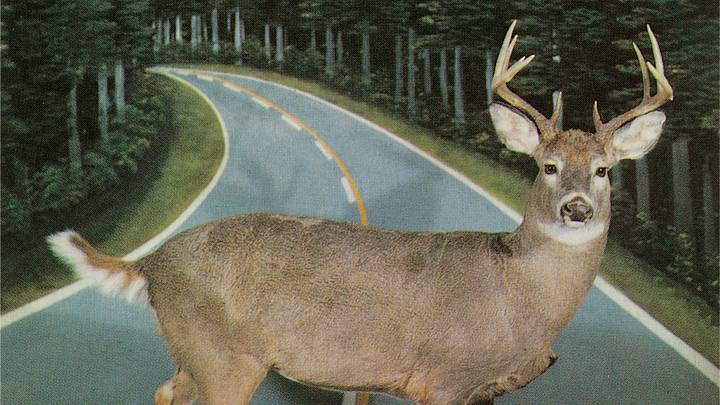
Wildlife can be a beautiful part of nature, but it doesn’t always mesh well with drivers.
Animal collisions can cause damage to vehicles and even death, according to a data analysis by State Farm. The insurance company reviewed more than 1.6 million automotive claims involving a vehicle for the year ending June 30, 2026, and found that those incidents amounted to $1.9 billion in claims paid out.
You may be more likely to need to file a claim if you live in certain states, as some experience more incidents than others when it comes to damage. So which states are riskiest for both animals and drivers? Check out the states with the most animal collisions to see if yours made the list.
East Coast, Midwest states dominate animal collisions

States in the East and Midwest are more likely overall to see animal collisions, though State Farm has found that there are plenty of states across the country that face this issue.
If you're worried about hitting an animal with your car, you should pay extra attention if you live in West Virginia. Drivers in that state have the highest likelihood of hitting an animal, with a 1 in 46 chance of a collision.
Second-place Montana has a 1 in 54 chance of drivers hitting an animal, including deer, raccoons, coyotes, turkeys, hogs, and more.
Three states with connections to the Great Lakes round out the top five states with the most animal collisions. Third-place Wisconsin residents have a 1 in 62 chance of hitting an animal, followed by Pennsylvania, with a 1 in 64 chance, and Michigan, with a 1 in 68 chance.
All three states are among the top six states with the largest deer populations, which can contribute to animal collisions, as State Farm found that deer were the most likely animals to be hit. Michigan, for example, has around 2 million deer in the state, while Wisconsin has 1.6 million deer and Pennsylvania has 1.5 million.
The top 10 states that have the highest likelihood of animal collisions involving cars, according to State Farm, include:
1. West Virginia
2. Montana
3. Wisconsin
4. Pennsylvania
5. Michigan
6. Iowa
7. Mississippi
8. Virginia
9. Maine
10. South Dakota
Meanwhile, states on the West Coast and in the Lower Midwest experienced the lowest numbers of animal collisions.
What to know about driving around animals

While it can be scary to think about hitting an animal with your car, there has been a decline in the number of incidents involving animals and cars over the past year.
State Farm noted that it has seen a reduction in the likelihood of animal collisions by drivers in its analysis ending in June 2026. The average driver in the United States has a 1 in 145 chance of hitting an animal this year while driving, compared to a 1 in 139 chance the year before.
One factor may be federal Wildlife Crossing Programs, which create safer areas for animals to cross so they can avoid running across highways and roads into oncoming traffic. One example is along Highway 9 in Colorado, where wildlife crossings and fencing led to a 90% in animal collisions when it was opened.
When you're driving could also affect your chances of hitting an animal. Most collisions tend to occur in autumn, with October, November, and December seeing around 650,000 collisions, making up around 41% of all collisions each year.