%20%20--%3E%0A%3Csvg%20version%3D%221.1%22%20id%3D%22Layer_1%22%20xmlns%3D%22http%3A%2F%2Fwww.w3.org%2F2000%2Fsvg%22%20xmlns%3Axlink%3D%22http%3A%2F%2Fwww.w3.org%2F1999%2Fxlink%22%20x%3D%220px%22%20y%3D%220px%22%0A%09%20viewBox%3D%220%200%20684.6%2068.1%22%20style%3D%22enable-background%3Anew%200%200%20684.6%2068.1%3B%22%20xml%3Aspace%3D%22preserve%22%3E%0A%3Cg%3E%0A%09%3Cpath%20d%3D%22M444.1%2C29.3h-17.4v14.5h17.4V29.3z%20M36.4%2C68.1l29.3-50.8V0H50.4L32.9%2C36.8L15.5%2C0H0v68.1h16.7V45.8l12.4%2C22.3H36.4z%0A%09%09%20M49.1%2C68.1h16.6V23.4L49.1%2C52.1V68.1z%20M76.6%2C68.1h45V53.8H93.3V41.6h21V27.1h-21V14.8h28.3V0.1h-45V68.1z%20M175.6%2C68.1h17.3v-68%0A%09%09h-16.5v40.3L150%2C0.1h-17.6v68h16.7V27.7L175.6%2C68.1z%20M235.8%2C14.8h15.4V0.1h-47.4v14.7H219v53.2h16.8V14.8z%20M290.3%2C45.9h-17.1%0A%09%09l7.5-15.6h2L290.3%2C45.9z%20M298.7%2C68.1h18l-32.2-68h-5.7l-32%2C68h18l3.3-7.1h27.1L298.7%2C68.1z%20M325.2%2C68.1h46.2V53.8h-29.6V0.1h-16.7%0A%09%09V68.1z%20M423.7%2C14.8h27.2V0.1H407v68h16.7V14.8z%20M462%2C68.1h46.2V53.8h-29.6V0.1H462V68.1z%20M564.8%2C34.1c0%2C10.7-7.2%2C19.2-18.5%2C19.2%0A%09%09c-11.4%2C0-18.5-8.5-18.5-19.2s7.1-19.2%2C18.5-19.2C557.6%2C14.9%2C564.8%2C23.4%2C564.8%2C34.1%20M580.6%2C34.1c0-19-14.2-34-34.3-34%0A%09%09c-20.2%2C0-34.3%2C15-34.3%2C34c0%2C19%2C14.1%2C34%2C34.3%2C34C566.4%2C68.1%2C580.6%2C53.1%2C580.6%2C34.1%20M604.8%2C20.5c0-4.1%2C3.3-6.2%2C6.7-6.2%0A%09%09c4.4%2C0%2C6.6%2C3%2C6.6%2C6.6h14.7C631.8%2C9.1%2C625.1%2C0.1%2C611%2C0.1c-12%2C0-21.7%2C9.3-21.7%2C20.6c0%2C10.9%2C5.9%2C15.9%2C16.7%2C19.8%0A%09%09c5.2%2C1.8%2C11.5%2C3.2%2C11.5%2C8c0%2C3.3-2.4%2C5.5-6.4%2C5.5c-3.6%2C0-6.6-3-6.6-6.7h-15.2c0%2C11.5%2C7.9%2C20.8%2C21.8%2C20.8c12%2C0%2C21.6-9.3%2C21.6-20.6%0A%09%09c0-10-5.3-16.4-16.7-19.8C610.6%2C26.1%2C604.8%2C25.3%2C604.8%2C20.5%20M670%2C20.9h14.7C683.8%2C9.1%2C677.1%2C0.1%2C663%2C0.1c-12%2C0-21.7%2C9.3-21.7%2C20.6%0A%09%09c0%2C10.9%2C5.9%2C15.9%2C16.7%2C19.8c5.2%2C1.8%2C11.5%2C3.2%2C11.5%2C8c0%2C3.3-2.4%2C5.5-6.4%2C5.5c-3.6%2C0-6.6-3-6.6-6.7h-15.2c0%2C11.5%2C7.9%2C20.8%2C21.8%2C20.8%0A%09%09c12%2C0%2C21.6-9.3%2C21.6-20.6c0-10-5.3-16.4-16.7-19.8c-5.4-1.6-11.3-2.4-11.3-7.2c0-4.1%2C3.3-6.2%2C6.7-6.2C667.7%2C14.4%2C670%2C17.3%2C670%2C20.9%0A%09%09%22%2F%3E%0A%3C%2Fg%3E%0A%3C%2Fsvg%3E%0A)

For most of human history, setting out on a pilgrimage meant making some pretty extreme sacrifices. We’re talking about packing a single tunic, praying you didn't catch a medieval plague, and walking thousands of miles across a continent just to secure a literal "get out of Purgatory free" card. It was high-stakes, high-stress, and deeply solemn.
Flash forward a few centuries, and things look a little different. Today, you don't need to be in the middle of a major crisis of faith—or a vow of silence—to tackle the world’s most legendary ancient trails. In fact, you don't need to be looking for a spiritual awakening at all—though spending weeks or months on your feet has a funny way of forcing one on you anyway.
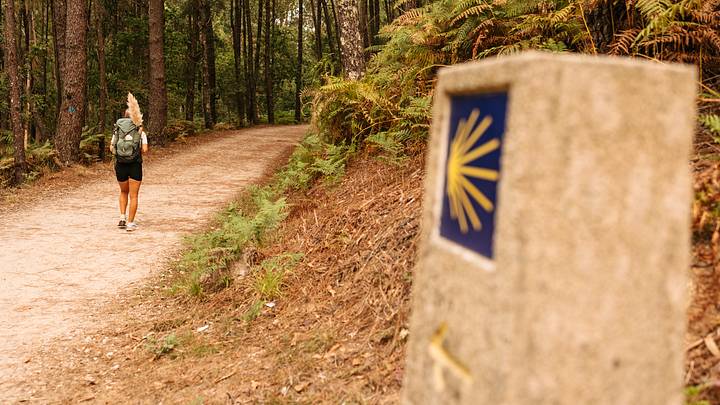
Take the Camino de Santiago, the undisputed megahit of the hiking world. The historic Spanish trail has reached a level of global popularity that would baffle its medieval creators: the number of registered pilgrims officially surpassed half a million for the first time in 2025, hitting a record-shattering 530,000 arrivals.
But Spain's network of yellow-shelled trails isn't the only famed footpath to break in your hiking boots. From routes featuring free public wine fountains to mist-shrouded Japanese forests where you can soak your blisters in volcanic hot springs, these five epic pilgrimages are perfect for history buffs, endurance junkies, and anyone who just appreciates a really long walk.
- The Inca Trail - Peru
- The Via Francigena - England to Italy
- St. Olav Ways - Norway
- The Camino de Santiago - Spain
- The Kumano Kodō - Japan
The Inca Trail - Peru

This four-day trek didn’t start as a scenic amble through the Andes; it was a highly restricted, holy highway engineered by the Inca Empire in the 15th century. Reserved almost exclusively for nobles and high priests, the path led specifically to the royal estate and sacred ceremonial site of Machu Picchu. The route itself is actually a microscopic fraction of the Qhapaq Ñan—a staggering, 25,000-mile network of Incan roads that stretched all the way from present-day Ecuador down to Chile and Argentina.
This specific mountain path was intentionally designed with dramatic stone staircases and tunnels to push elite pilgrims through a series of ritual checkpoints and stunning vistas before they could enter the city. Today, modern trekkers face a 26-mile test of leg strength and lung capacity, climbing ancient stone steps up to 13,800 feet above sea level—crossing the brutally named "Dead Woman's Pass"—before dropping down into the lush cloud forests to enter Machu Picchu through the Sun Gate right at sunrise.
Trail Trivia: Back in its glory days, the trail network was kept operational by the chasqui—elite, highly trained Incan relay runners. Stationed at posts along the path, they ran up to 150 miles a day at high altitudes to deliver oral messages and quipus (coded, knotted strings used for record-keeping) across the empire, famously keeping the mountain-bound emperor supplied with fresh fish from the coast.
The Via Francigena - England to Italy

We might not need to travel from England to Italy by foot anymore, but plenty of modern adventurers still choose to swap the plane ride for a three-month trek—historical trade and religious reasons aside.
It all started in the year 990, when the Archbishop of Canterbury, Sigeric the Serious, walked all the way to Rome to be ordained by the Pope. On his journey back home to England—where the trail officially begins today at Canterbury Cathedral—he carefully logged all 80 of his overnight stops in a travel diary. That historic log became a 1,200-mile blueprint for the ultimate multi-country backpacking trip. Walking the entire route today crosses four nations (the UK, France, Switzerland, and Italy) and requires hikers to scale the Alps via the Great St. Bernard Pass before concluding at St. Peter’s Basilica in Rome.
Hardcore walkers can even keep going all the way down to Puglia via the Via Francigena nel Sud. Best of all, unlike the heavily crowded Camino, this trail remains gloriously isolated, meaning you’ll often have Swiss alpine villages and Tuscan vineyards entirely to yourself.
Trail Trivia: The high-altitude pass over the Alps is the exact birthplace of the famous Saint Bernard rescue dogs. Monks at the trail's snowy summit hospice bred the gentle giants starting in the 1660s to help clear snow tracks, navigate deep drifts, and locate lost pilgrims trapped in freezing avalanches.
St. Olav Ways - Norway

If you prefer Nordic forests and fjords over wheat fields and vineyards, consider starting your pilgrimage journey in Norway on one of the St. Olav Ways instead of the well-trodden Camino de Santiago. In addition to its off-the-beaten-path scenery, this ancient trail system differs from more famous ones in that large stretches can be traversed via mountain bike or even horseback—not just on foot.
Whether you take the coast-to-coast St. Olavsleden route from the Baltic Sea to the Atlantic Ocean or the famed inland Gudbrandsdalsleden route, all paths lead to the Nidaros Cathedral in Trondheim, where King Olav Haraldsson was buried shortly after his death in 1030. Because Olav was a Viking before converting to Christianity, the route has a distinctly rugged, Norse vibe, and walking it a thousand years ago was a test of sheer survival against the brutal Scandinavian elements.
Today, the classic Gudbrandsdalsleden is a grueling, month-long, almost 400-mile trek that starts in Oslo and heads north through sprawling valley systems, deep pine forests, and across the completely exposed, windswept Dovrefjell mountain plateau. Often called the "Nordic Camino," it features significantly fewer crowds and a lot more wild, remote camping.
Trail Trivia: Aside from the vistas, a main attraction of the trek is crossing that mountain plateau, which is the only place in mainland Europe where you can hike alongside wild, free-roaming musk oxen. These shaggy Ice Age beasts weigh up to 900 pounds and can sprint at 35 miles per hour. Trail guidelines strictly warn hikers to stay at least 200 meters away, proving that a spiritual awakening is much less urgent than not getting trampled by a prehistoric mammal.
The Camino de Santiago - Spain

Today, the Camino de Santiago—a vast web of centuries-old paths weaving through France, Portugal, and Spain—makes the bucket lists of both spiritual seekers and secular travelers alike. In the Middle Ages, millions walked the route to secure a direct pass through purgatory from the Catholic Church. Following in King Alfonso II’s footsteps after his initial 9th-century trek, the influx of medieval tourists was so massive that kings had to build dedicated stone bridges, fortresses, and hospitals just to keep travelers from dying on the side of the road.
The trail eventually fell into obscurity, but its modern revival kicked off in the early 1980s when a local parish priest named Father Elías Valiña Sampedro began hand-painting bright yellow arrows to guide lost hikers. By 1989, organizers formalized the trek by introducing the credencial—a specialized pilgrim passport that walkers must stamp along the route to secure a bed in communal hostels (albergues) and earn an official completion certificate.
Today, routes like the 500-mile Camino Francés have evolved into epic cross-country adventures. Modern walkers spend their days hiking roughly 15 miles through gorgeous vineyards, their nights in hostels, and their evenings drinking cheap wine with strangers from all over the planet.
Trail Trivia: If you need some extra motivation on the Camino Francés, look out for the town of Ayegui. There, the Bodegas Irache winery maintains a fully functioning, free wine fountain built directly into a historic stone wall. It dispenses fresh local red wine for passing pilgrims—though a live-streaming webcam ensures you don't try to sneakily fill up a 2-liter soda bottle.
The Kumano Kodō - Japan

For over a thousand years, everyone from powerful emperors to lonely samurai walked this mountainous network of trails on Japan's Kii Peninsula. To early practitioners of Shintoism and Buddhism, these dense forests were considered a literal realm of the dead, dominated by ancient nature spirits, where walking the paths was a physical ritual meant to simulate death and spiritual rebirth.
Today, it’s one of only two pilgrimage routes in the entire world designated as UNESCO World Heritage sites. If you love misty cedar forests, moss-covered stone steps, hidden shrines, and soaking your aching feet in natural volcanic hot springs (onsen) at the end of an exhausting day of climbing, this is the ultimate bucket-list hike.
Trail Trivia: Because of their shared UNESCO status, you can officially become a “Dual Pilgrim.” Travelers who complete both the Camino de Santiago and a major Kumano Kodō route receive a special certificate, commemorative pin, and even a ceremonial taiko drumming experience at Kumano Hongu Taisha shrine.